📞  — free, 24/7
 — free, 24/7| Package | Price per Dose | Price | |
|---|---|---|---|
| 360 pills | C$0.66 | C$265.66 C$239.09 | |
| 240 pills | C$0.72 | C$191.98 C$172.78 | |
| 180 pills | C$0.74 | C$149.56 C$134.61 | |
| 120 pills | C$0.80 | C$107.14 C$96.43 | |
| 90 pills | C$0.86 | C$87.05 C$78.34 | |
| 60 pills | C$0.90 | C$60.26 C$54.23 | |
| 30 pills | C$0.94 | C$31.23 C$28.11 | |
| 360 pills | C$0.98 | C$392.92 C$353.63 Free shipping | |
| 240 pills | C$1.09 | C$290.22 C$261.20 | |
| 180 pills | C$1.19 | C$236.63 C$212.97 | |
| 120 pills | C$1.35 | C$178.59 C$160.73 | |
| 90 pills | C$1.51 | C$151.80 C$136.62 | |
| 60 pills | C$1.59 | C$104.91 C$94.42 | |
| 30 pills | C$1.71 | C$58.03 C$52.22 |
Disclaimer: This patient information leaflet is for Canadian patients and provides essential safety information about Glucotrol (glipizide). It does not replace professional medical advice. Consult a healthcare professional for individualized guidance.
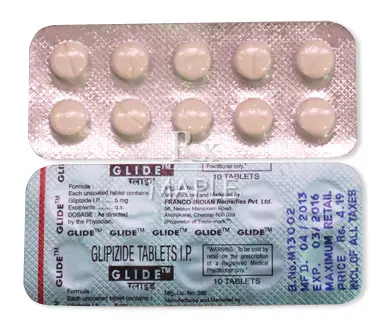
Glucotrol is a prescription medication that belongs to the sulfonylurea class and is used to lower blood glucose in adults with type 2 diabetes. (sulfonylurea class) This medication acts by stimulating pancreatic beta cells to release insulin, a hormone that lowers elevated blood glucose levels. (insulin) The primary therapeutic purpose is to improve glycemic control when diet, physical activity, and weight management alone do not achieve target levels. (glycemic control)
Glucotrol is available in different formulations, including immediate-release (Glucotrol) and extended-release (Glucotrol XL). Formulation type influences how quickly glucose-lowering effect begins and how long action lasts. (extended-release) The medication may be prescribed as part of a broader diabetes management plan that includes diet, exercise, and potentially other antidiabetic agents. (diabetes management)
Administration requires clinical oversight, and prescribing rules vary by jurisdiction. Glucotrol may require a prescription depending on local rules. (prescription requirements) The recommended use is for adults unless specifically approved for other age groups in a defined clinical setting. (adult use)
Important pharmacological details include the fact that this medication lowers fasting glucose and postprandial glucose (glucose after meals) by stimulating insulin release. (postprandial) It is not a substitute for insulin in individuals with certain forms of diabetes or with insufficient endogenous insulin production. (endogenous insulin)
In Canada, regulatory labeling emphasizes individualized dosing, monitoring, and safety considerations. The medicine should be used under the direction of a clinician who can assess renal and hepatic function, concurrent illnesses, and other medications. (renal and hepatic function)
Glucotrol should not be used in individuals with type 1 diabetes or with diabetic ketoacidosis, conditions in which there is little or no insulin production or severe metabolic acidosis. (diabetic ketoacidosis)
Known hypersensitivity to glipizide or other sulfonylureas, or to any component of the product, is a contraindication. Reactions may involve rash, swelling, or breathing difficulties. (hypersensitivity)
Severe hepatic impairment or active liver disease constitutes a contraindication because altered drug metabolism can raise exposure and hypoglycemia risk. (hepatic impairment)
Significant allergies to the sulfonamide class may lead to adverse reactions; consultation with a clinician is advised if there is any concern about cross-sensitivity. (sulfonamide allergy)
Pregnancy and breastfeeding require careful consideration. Glucotrol may be avoided in pregnancy unless benefits outweigh risks, and breastfeeding is typically discussed with a clinician due to possible transfer to the infant. (pregnancy and lactation)
Attention to hypoglycemia risk is essential, particularly during periods of reduced caloric intake, illness, alcohol use, or concomitant medications that lower glucose. Patients should be informed about recognizing symptoms and appropriate actions. (hypoglycemia) Regular monitoring of blood glucose is advised, and HbA1c testing may be used to assess long-term control. (HbA1c)
Baseline and ongoing assessments of liver and kidney function are recommended because impairment can alter drug handling and safety. Changes in organ function may necessitate dose adjustments or alternative therapies. (renal function, hepatic function)
Illness with poor oral intake, vomiting, or severe diarrhea may necessitate temporary modification or discontinuation of Glucotrol; this guidance should be followed in consultation with a clinician. (illness and intake)
Alcohol can interact with Glucotrol and increase the risk of hypoglycemia; moderation or avoidance may be advised during treatment. (alcohol interaction)
Clinical use in special populations, including pregnancy and lactation, should be guided by a clinician because competing risks must be weighed. (special populations)
The following sections describe common and less common adverse effects categorized by body system or frequency. Information is provided to aid recognition and timely reporting to a healthcare professional. (reporting safety concerns)
Hypoglycemia (abnormally low blood glucose) is a potential safety concern with Glucotrol, particularly when meals are skipped, physical activity is increased, or alcohol is consumed. Signs may include sweating, shakiness, confusion, and dizziness. (hypoglycemia signs) Severe hypoglycemia requires urgent medical attention. (urgent care)
Blood glucose levels should be monitored as directed; frequent monitoring helps identify trends and prevent severe episodes. (glucose monitoring)
In cases of illness with poor oral intake or dehydration, a clinician may adjust therapy to reduce risk. (illness adjustments)
Nausea, upset stomach, and abdominal discomfort can occur with Glucotrol. These symptoms are usually mild and transient but should be reported if persistent or worsening. (nausea, GI upset)
Diarrhea or constipation may occur in some individuals, affecting hydration and electrolyte balance. (gastrointestinal effects)
Any prolonged GI symptoms should be discussed with a clinician to determine whether treatment should continue or be adjusted. (clinical consultation)
Rashes, itch, or hives can occur. In rare cases, more serious hypersensitivity reactions, including swelling of the face or throat, may require immediate medical evaluation. (rash, hypersensitivity)
Users with known allergies to sulfonylureas or related drugs should report this history before starting Glucotrol. (allergy history)
Weight gain is a possible side effect of therapy with Glucotrol in some individuals. Diet and physical activity plans should be discussed with a clinician to manage this risk. (weight gain)
Appetite changes may accompany therapy and may influence overall caloric intake and metabolic control. (appetite changes)
Some individuals may notice dizziness, headache, or sleep disturbances. Vision changes are uncommon but should be reported if new or persistent. (neurologic symptoms, vision)
Severe liver injury is rare but possible with any sulfonylurea; liver function tests may be requested if there are symptoms such as persistent nausea, jaundice, or dark urine. (hepatic injury)
Allergic and immune-mediated hematologic effects are rare; symptoms such as unusual fatigue, bleeding, or bruising should be reported. (hematologic effects)
Drug interactions can alter the effect of Glucotrol or increase the risk of adverse events. A clinician should review all medicines, including prescription drugs, over-the-counter products, vitamins, and herbal supplements, before starting therapy. (drug interactions)
Interactions with other antidiabetic agents, including insulin and other sulfonylureas, can heighten the risk of hypoglycemia or alter glycemic control. (concurrent antidiabetic therapy)
Medications that affect kidney or liver function or that are themselves glucose-lowering agents may require monitoring and possible dose adjustments. (organ function and polypharmacy)
Certain OTC products, such as nonsteroidal anti-inflammatory drugs (NSAIDs), some antibiotics, and certain antidepressants, may interact with glucose control. A clinician should be consulted about potential risks. (OTC interactions)
Herbal supplements and vitamins can influence blood glucose levels and interact with Glucotrol; a healthcare professional should be informed of all supplements. (herbal and vitamin interactions)
When taken with other prescription antidiabetic agents, Glucotrol may require closer monitoring of blood glucose, and dose adjustments could be necessary to maintain safety and effectiveness. (prescription drug interactions)
Medications that can either raise or lower blood glucose levels may change the balance of therapy; routine laboratory and clinical assessments are recommended. (glycemic balance)
OTC medicines such as certain cough or cold preparations can interact with glucose control; read ingredient lists and discuss with a pharmacist before use. (OTC cautions)
Dietary supplements and herbal products should be disclosed to a clinician, as some can affect glucose levels or liver metabolism. (supplement transparency)
Alcohol may enhance the hypoglycemia risk associated with Glucotrol, especially during fasting or illness. If alcohol is consumed, information about safety should be obtained from a clinician. (alcohol safety)
Food intake and timing relative to dosing influence the glucose-lowering effect; irregular meals can increase hypoglycemia risk. Guidance from a clinician should be followed regarding meal planning and dosing schedules. (mealtime considerations)
Special population considerations include pregnancy, lactation, pediatric use, elderly status, and organ impairment. Individual risk-benefit assessment is essential in these groups. (special populations)
Pregnant individuals should discuss alternative therapies, as insulin is often preferred when diabetes management is required during pregnancy. (pregnancy considerations)
Breastfeeding may necessitate treatment modification; the presence of glipizide in breast milk and potential infant exposure require professional guidance. (lactation)
Pediatric use has specific guidelines; data in children are limited and use should be guided by a pediatric endocrinologist or pediatrician. (pediatric use)
In older adults, the risk of hypoglycemia may be heightened; careful monitoring and dose adjustments may be necessary. (geriatric considerations)
Glucotrol should be taken exactly as prescribed, with attention to meal timing when relevant to the formulation. Adherence supports predictable glycemic control. (administration)
Immediate-release tablets are typically taken with the first meal of the day or as directed by a clinician; extended-release formulations are often taken once daily with breakfast. (formulation-specific guidance)
Storage should be in a closed container at room temperature, away from moisture and heat; check the package insert for specifics. (storage)
Missed doses should be handled according to instructions provided by a clinician or pharmacist; do not double-dose to make up for a missed dose. (missed dose guidance)
Discontinuation or changes in therapy should only occur after professional consultation, particularly if other diabetes medications are in use. (therapy changes)
Regular monitoring includes blood glucose testing at home as instructed, periodic HbA1c testing, and laboratory tests to assess liver and kidney function. (home glucose monitoring, HbA1c, lab tests)
Any signs of adverse reactions or signs suggesting poor glycemic control should prompt medical review; persistent symptoms warrant an in-person evaluation. (safety reporting)
Urgent medical assistance is necessary for severe symptoms such as confusion, seizures, severe hypoglycemia, or signs of an allergic reaction. (urgent medical help)
Medical reviewers may propose adjustments based on illness, surgery, or changes in physical activity. (therapy adjustments)
Patients should carry identification and a rapid-contact plan in case of hypoglycemia or adverse events. (emergency plan)
The following Q&A aims to address common safety concerns. Each question is followed by a concise answer that emphasizes caution and professional consultation rather than definitive dosing details. (safety-focused FAQ)
Planning or ongoing pregnancy should involve a clinician to weigh risks and benefits; insulin-based therapy is often preferred during pregnancy when glucose control is required. (pregnancy planning)
Missed doses should be discussed with a clinician; illness that reduces oral intake can increase the risk of hypoglycemia and may require therapy adjustment. Seek professional guidance promptly. (missed dose, illness)
Alcohol can alter glucose control and increase hypoglycemia risk; moderation or avoidance is typically advised, with professional advice tailored to individual circumstances. (alcohol safety)
Some OTC products may affect blood glucose or interact with glucose-lowering therapy; always check ingredient lists and consult a pharmacist before use. (OTC interactions)
Measures of effectiveness include fasting and postprandial glucose trends and HbA1c; persistent high glucose or recurrent hypoglycemia calls for clinical assessment and possible treatment modification. (treatment monitoring)
These may be symptoms of hypoglycemia and require immediate evaluation; seek urgent medical help if severe or worsening. (hypoglycemia management)
Baseline and periodic monitoring is common, especially with long-term use or preexisting organ-impaired function; a clinician determines the frequency based on risk factors. (organ function monitoring)
Use in children is subject to specific indications and safety data; treatment decisions should involve a pediatric specialist. (pediatric use)
Periodic laboratory testing may be recommended to assess glucose control and organ function; the schedule is individualized by a clinician. (lab monitoring)
Onset and duration depend on the formulation and individual factors; consistent therapy and adherence support stable glucose control. (onset of action)
Combining Glucotrol with other diabetes medications requires professional oversight to minimize hypoglycemia risk and ensure safety; consult a clinician before combination therapy. (combination therapy)
These symptoms may require evaluation for hypoglycemia or other causes; seek medical advice if they persist or worsen. (persistent symptoms)
Glucose trends can vary; some patients observe gradual improvement while others may notice rapid changes during initial therapy or after dose adjustments. (glucose trends)
Provide a complete list of all medicines, supplements, and herbs, plus any known allergies, pregnancy status, and kidney or liver concerns; this enables safer therapy planning. (medication reconciliation)
Reliable information is available through official package inserts, national health agencies, and accredited patient information resources. These sources provide details on indications, contraindications, and safety considerations. (information sources)
Discuss any questions or concerns with the prescribing clinician or a pharmacist, especially before starting, stopping, or changing therapy. (professional consultation)
Health Canada and provincial regulatory bodies publish guidelines and safety alerts that may be relevant to Glucotrol use in Canada. (regulatory guidance)
Printed patient information leaflets accompanying the medication offer formulation-specific details, including storage, dosing, and potential interactions. (patient leaflets)
When in doubt, check the official leaflet or seek guidance from a healthcare professional to ensure safe and effective use. (consult leaflet)
14–21 days. Free from C$287.05 .
5–9 days. C$43.06
−10% when paying with cryptocurrency.
−10% on all repeat orders.
All orders are packed in neutral, unbranded boxes with no product name on the outside.