📞  — free, 24/7
— free, 24/7 — free, 24/7Sterile liquid medications and lubricants applied directly to the eye for relief and treatment. Options include lubricating artificial tears, allergy and redness relief drops, antibiotic and anti-inflammatory formulations, and prescription glaucoma or infection treatments.
Sterile liquid medications and lubricants applied directly to the eye for relief and treatment. Options include lubricating artificial tears, allergy and redness relief drops, antibiotic and anti-inflammatory formulations, and prescription glaucoma or infection treatments.
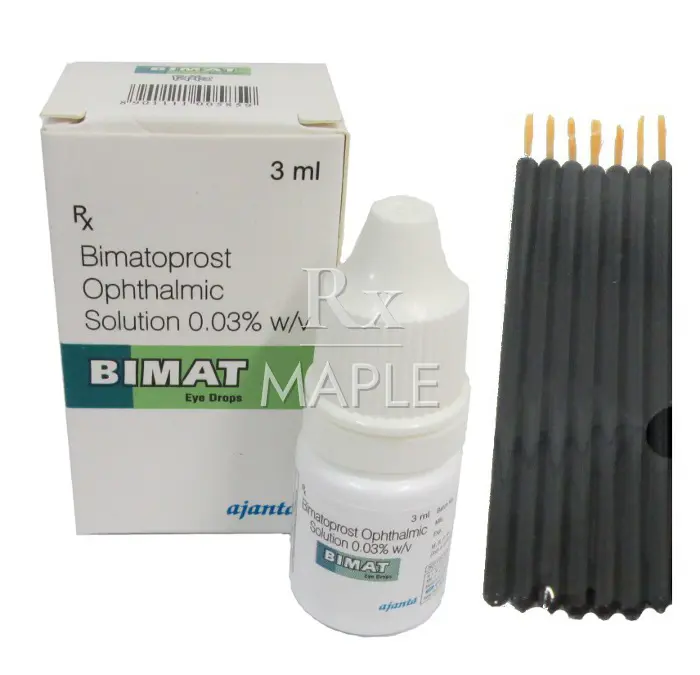
Eye drops are liquid or suspension preparations made to be applied directly to the surface of the eye or placed in the lower eyelid. They are formulated to deliver active drug substances to the eye tissues or to provide temporary lubrication, and they come in a variety of pharmaceutical forms such as solutions, suspensions, ointments and single‑use vials. Packaging and dropper design are important for correct dosing and sterility, and some products are supplied with applicators to help with accurate administration.
Uses for ophthalmic preparations range from simple symptom relief to treatment of potentially sight‑threatening conditions. Many people use lubricating drops for dryness and irritation, antihistamine or mast‑cell stabilizer drops for allergic redness and itching, antibiotic or antibiotic‑steroid combinations for bacterial infections and inflammation, and specific prescription agents to lower intraocular pressure in glaucoma. Other applications include pupil dilation for eye examinations, topical anesthetics for short procedures, and formulations intended to promote eyelash growth.
The category covers several pharmacological classes. Artificial tears and tear substitutes act as lubricants and barrier protectants. Anti‑infective drops include topical antibiotics and, in some cases, combined antibiotic‑steroid products for inflammatory infections. Anti‑inflammatory options include steroidal and non‑steroidal agents. Glaucoma therapies delivered as drops often belong to classes such as prostaglandin analogs, topical beta‑blockers, alpha agonists and carbonic anhydrase inhibitors. Mydriatics and cycloplegics are used to dilate or relax the pupil, and there are also combination products that target multiple mechanisms at once.
Examples of commonly encountered medicines illustrate the range of uses and mechanisms found among eye drops. Prostaglandin analogs such as bimatoprost and latanoprost are prescribed for lowering intraocular pressure and are also known for effects on eyelash growth. Topical beta‑blockers like timolol are another option for glaucoma management. Combination antibiotic/steroid products such as those containing ciprofloxacin with a corticosteroid are used for certain infections with an inflammatory component. Cyclopentolate is a frequently used mydriatic for diagnostic pupil dilation. Some products are offered with single‑use applicators or specialized droppers to reduce contamination and facilitate dosing.
Safety and handling are important considerations with ophthalmic medicines. Preservatives present in multi‑dose bottles can cause irritation in sensitive eyes, while preservative‑free single‑use vials are often recommended for people with frequent use or allergic tendencies. Certain classes can produce characteristic local effects—prostaglandin analogs have been associated with increased eyelash growth and changes in iris pigmentation, and mydriatics can cause temporary blurred vision. Systemic absorption is possible with some topical eye medicines, so labeling commonly lists precautions and potential systemic side effects. Maintaining sterility, observing expiration dates, and being aware of storage requirements are practical aspects that influence safety.
When selecting an ophthalmic product, people typically consider the condition being treated, whether a prescription is required, tolerability, and ease of use. Contact lens compatibility, presence or absence of preservatives, dropper design or included applicators, dosing frequency and duration of action are factors that affect convenience and adherence. For conditions such as glaucoma or bacterial eye infections, prescription medications with specific active ingredients are standard, whereas lubricants and some allergy drops are often available over the counter. Product information and professional guidance provide more detail about indications and appropriate use for individual circumstances.