📞  — free, 24/7
— free, 24/7 — free, 24/7Plant-based supplements and remedies such as herbal teas, tinctures, capsules, extracts and topical preparations. Covers traditional botanicals and standardized formulations used for wellness support; check labels and consult a healthcare professional about interactions and dosing.
Plant-based supplements and remedies such as herbal teas, tinctures, capsules, extracts and topical preparations. Covers traditional botanicals and standardized formulations used for wellness support; check labels and consult a healthcare professional about interactions and dosing.
Herbal Products are medicines and health preparations derived primarily from plants, plant extracts, or traditional herbal formulations. They range from single‑ingredient botanical extracts to multi‑herb combinations rooted in traditional systems such as Ayurveda, Traditional Chinese Medicine, and other regional practices. These products are presented in familiar pharmaceutical formats—tablets, capsules, syrups, powders and topical preparations—but their active constituents are plant‑based rather than synthetic molecules created in a laboratory.
Common uses for herbal products include supporting everyday wellness and addressing a variety of minor or chronic complaints. Consumers often choose them for purposes such as supporting immunity, digestive comfort, respiratory relief, urinary tract health, or general vitality. In practice these products are used in a preventive or adjunctive role by people seeking plant‑based options, or by those who prefer treatments originating from traditional medicine systems rather than conventional pharmaceuticals.
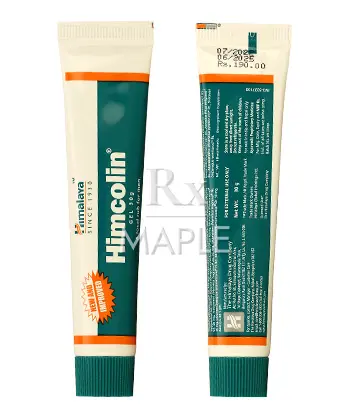
The category contains a wide array of formulation types. You will find standardized extracts intended to deliver a consistent amount of an identified phytochemical, whole‑herb powders and decoctions, combination formulas that blend several botanicals in fixed ratios, and topical herbal ointments or gels. Examples of well‑known preparations commonly grouped under herbal products include formulations like Cystone, which is frequently associated with urinary and kidney health support; Septilin, often marketed for immune support; and Himcolin, noted in some markets for men’s sexual wellness and stamina formulations.
Quality and formulation matters with herbal products because plant‑derived medicines can vary significantly in composition. Factors such as the plant species, part used (root, leaf, bark), geographic origin, harvest timing, extraction method and manufacturing controls all affect the final product. Standardization to a marker compound and adherence to good manufacturing practices are two indicators often cited to help ensure more consistent dosing and purity, while reputable labeling that lists active botanicals and excipients improves transparency.
Safety considerations for herbal medicines revolve around variability of constituents, possible contamination, and interactions. Reported adverse effects range from mild gastrointestinal upset and allergic reactions to more serious events in susceptible individuals. Contaminants such as heavy metals, pesticides or adulterants have been identified in some products when manufacturing or sourcing standards are inadequate. Herb‑drug interactions are a recognized concern because some botanical constituents can affect metabolism pathways that alter the activity of conventional medications.
When choosing an herbal product, users typically look for clear ingredient lists, information on standardization or extract strength, and manufacturing or quality certifications that indicate testing for purity and contaminants. Other decision factors include the dosage form that best fits the intended use, documented safety information, and evidence from clinical studies or traditional use records that relate to the health goal in question. Product transparency—accurate labeling, batch information and expiry dates—also plays a central role in consumer choice.