📞  — free, 24/7
— free, 24/7 — free, 24/7Tools and supplies for monitoring and managing blood pressure and cardiovascular health, including home blood pressure monitors (upper-arm and wrist), replacement cuffs and batteries, antihypertensive medications, OTC support products, and tracking aids for lifestyle management.
Tools and supplies for monitoring and managing blood pressure and cardiovascular health, including home blood pressure monitors (upper-arm and wrist), replacement cuffs and batteries, antihypertensive medications, OTC support products, and tracking aids for lifestyle management.
Medications in the Blood Pressure category are used to manage elevated blood pressure and related cardiovascular conditions. These products encompass a wide range of prescription drugs that work by different mechanisms to lower arterial pressure, ease the workload on the heart, or influence fluid balance. The goal of treatment with these agents is typically to help maintain blood pressure within a target range and to reduce the likelihood of complications associated with long-term high blood pressure.
Common situations where blood pressure medicines are used include primary (essential) hypertension, blood pressure control in people with diabetes or kidney disease, and adjunctive therapy for heart conditions such as heart failure or after a heart attack. Some drugs are favored for particular clinical settings because of how they affect the heart, blood vessels or kidneys; others are chosen to address multiple conditions at once, for example controlling blood pressure while protecting kidney function.
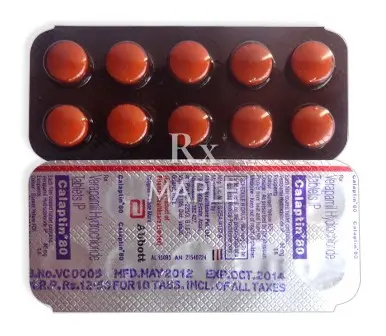
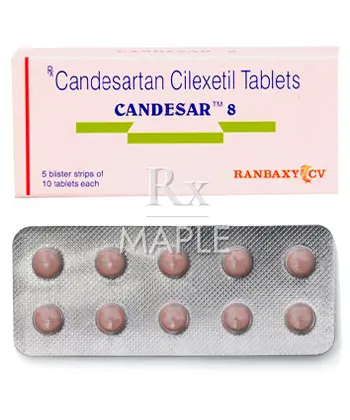
Major classes of medications represented here include ACE inhibitors (for example lisinopril, ramipril, enalapril), angiotensin receptor blockers or ARBs (for example losartan, irbesartan, candesartan), beta‑blockers (for example metoprolol, atenolol, bisoprolol, nebivolol), calcium channel blockers (for example amlodipine, diltiazem, verapamil), and diuretics (for example hydrochlorothiazide, furosemide, spironolactone). Also available are combination products that pair two agents for convenience (such as ARB or ACE inhibitor with a thiazide diuretic), central acting agents (clonidine), alpha‑blockers (terazosin), and vasodilators (minoxidil) so shoppers will find both single‑agent and multi‑agent options in this category.
General safety considerations commonly associated with blood pressure medications include the potential for side effects such as dizziness, swelling, cough (with some ACE inhibitors), changes in electrolyte levels (with many diuretics), or reduced heart rate (with beta‑blockers). Certain medicines may interact with other prescription drugs, over‑the‑counter remedies, or supplements, and some agents may require periodic monitoring of blood chemistry or kidney function. Information on side effects, contraindications, and monitoring appears on product labeling and professional literature for each medicine.
When comparing products in this category, users often consider factors such as how well a medicine controls blood pressure, the likelihood and type of side effects, dosing frequency and formulation (immediate‑release versus extended‑release), whether the product is available as a generic or brand name, and whether a combination pill could reduce the number of daily tablets. Other practical considerations include pill size, ease of swallowing, and whether a formulation is intended for morning or evening dosing.
Available formats include single‑ingredient tablets, sustained‑release formulations, and fixed‑dose combinations that simplify treatment. Many of the medicines listed under this category are available in multiple strengths and formulations to support individualized treatment plans. Product names may be shown alongside their generic counterparts to help users recognize alternatives and understand naming conventions when comparing options.