📞  — free, 24/7
— free, 24/7 — free, 24/7Medications and therapies that regulate, replace or modulate endocrine hormones. Common items: thyroid preparations, insulin and diabetes medicines, estrogen/progestin/testosterone therapies, adrenal and growth hormone products, and related support formulations.
Medications and therapies that regulate, replace or modulate endocrine hormones. Common items: thyroid preparations, insulin and diabetes medicines, estrogen/progestin/testosterone therapies, adrenal and growth hormone products, and related support formulations.
The Hormones category covers medicines that replace, modify, or mimic the action of naturally occurring hormones and related regulators in the body. This group encompasses hormonal therapies used to correct deficiencies, adjust endocrine function, or control symptoms caused by hormonal imbalance. It also includes some drugs that influence hormone release or action indirectly and agents used in supportive care for endocrine disorders.
Medications in this area are most often used to manage long-term endocrine conditions, acute hormone deficiencies, or symptoms caused by hormone excess or imbalance. Typical applications include restoring normal levels of thyroid hormones, controlling inflammation with corticosteroids, replacing mineralocorticoid function, and influencing hormone-producing glands through dopaminergic agents. Some products support metabolic and bone health by acting on vitamin D pathways, while others affect neuromuscular transmission in specific disorders.
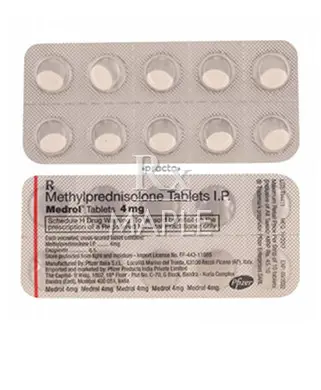
Common types of medicines found in this category include thyroid hormone replacements such as levothyroxine preparations (often sold under names like Synthroid and Levothroid) and liothyronine (for example, Cytomel), corticosteroids such as prednisolone and methylprednisolone (Medrol), mineralocorticoid replacements like fludrocortisone (Florinef), dopamine agonists such as cabergoline (Dostinex) that modify pituitary hormone release, vitamin D analogs like alfacalcidol (Alfacip), and other agents used in related neuromuscular conditions such as pyridostigmine (Mestinon). These examples represent typical uses and formulations encountered under the broad “Hormones” heading.
Because many hormone-related medicines have powerful systemic effects, safety considerations are an important part of their use. Dose, timing, duration, and monitoring can substantially affect outcomes and the risk of side effects; some agents require periodic laboratory testing to track hormone levels or organ function. Drug interactions and underlying medical conditions influence suitability and tolerability. Pregnancy, breastfeeding, and paediatric or geriatric use often involve specific precautions that are addressed in product information and prescribing guidelines.
When people look for products in this category they commonly compare formulation types (tablets, capsules, liquid, or injectable forms), available strengths, and whether a particular product is a generic or marketed under a trade name. Other practical considerations include prescription status, refill availability, insurance coverage or reimbursement documentation, and the availability of patient information leaflets that describe expected effects and safety information. Packaging sizes and dosing frequency are also frequent selection factors for ongoing therapy.
Administration routes and treatment regimens vary widely across hormone medicines, so the accompanying medication guides and official product information are the primary sources for instructions specific to each product. Proper storage according to the label, attention to expiry dates, and appropriate handling of unused medicines are part of responsible medication use. For conditions requiring hormonal treatment, these products are typically supplied under prescription and are managed within a broader plan of monitoring and follow-up tailored to the individual’s needs.