📞  — free, 24/7
— free, 24/7 — free, 24/7| Package | Price per Dose | Price | |
|---|---|---|---|
| 360 pills | C$1.08 | C$521.79 C$391.34 Free shipping | |
| 180 pills | C$1.16 | C$279.52 C$209.64 | |
| 120 pills | C$1.22 | C$194.32 C$145.74 | |
| 90 pills | C$1.24 | C$149.06 C$111.80 | |
| 60 pills | C$1.34 | C$106.47 C$79.85 | |
| 30 pills | C$1.46 | C$58.54 C$43.91 | |
| 360 pills | C$1.36 | C$649.58 C$487.19 Free shipping | |
| 270 pills | C$1.42 | C$511.14 C$383.36 Free shipping | |
| 180 pills | C$1.50 | C$359.39 C$269.54 | |
| 120 pills | C$1.66 | C$266.21 C$199.66 | |
| 90 pills | C$1.82 | C$218.28 C$163.71 | |
| 60 pills | C$2.14 | C$170.36 C$127.77 | |
| 30 pills | C$2.40 | C$95.82 C$71.86 | |
| 20 pills | C$2.60 | C$69.19 C$51.90 | |
| 10 pills | C$3.00 | C$39.91 C$29.93 | |
| 270 pills | C$4.39 | C$1,581.40 C$1,186.05 Free shipping | |
| 180 pills | C$4.77 | C$1,144.78 C$858.58 Free shipping | |
| 120 pills | C$5.27 | C$843.93 C$632.95 Free shipping | |
| 90 pills | C$5.81 | C$697.50 C$523.13 Free shipping | |
| 60 pills | C$6.29 | C$503.15 C$377.37 Free shipping | |
| 30 pills | C$6.93 | C$276.86 C$207.64 |
Could Aciclovir help treat a cold sore or a shingles outbreak?
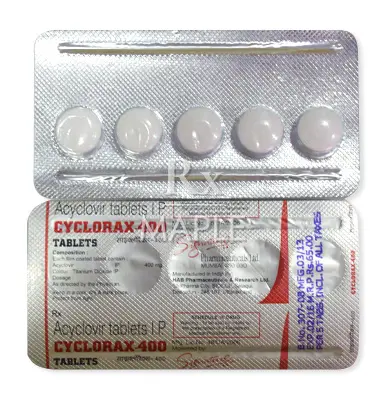
Aciclovir is an antiviral medicine used against infections caused by herpes viruses. It works best when started early in the course of illness and aims to shorten the duration of symptoms, speed healing of lesions, and reduce the chance of new sores forming. Available as tablets, a topical cream, and as an infusion for severe infections, aciclovir targets viruses rather than bacteria, so it does not replace vaccinations or other preventive measures.
In people with healthy immune systems, aciclovir is generally well tolerated. In those with kidney impairment, dehydration, or other health conditions, or when given in high doses, it requires careful dosing and medical supervision. Knowing when to use it, and which form to choose, helps balance effectiveness with safety in everyday practice.
Aciclovir belongs to a class of medicines known as nucleoside analogues. Once inside infected cells, it is activated by a viral enzyme and then blocks the virus’s ability to copy its DNA. This selective action means the drug primarily targets cells where the herpes virus is active, sparing most healthy cells.
Common indications include herpes simplex infections—such as oral herpes (cold sores) and genital herpes—and varicella-zoster infections, which cause chickenpox and shingles. The topical form is often used for initial or recurrent cold sores; oral tablets are used for more extensive or recurrent infections; intravenous aciclovir is reserved for severe disease or when rapid control is needed, such as in certain hospital patients or immunocompromised individuals.
Primary infections caused by herpes simplex viruses (HSV-1 and HSV-2) are the most frequent situations where aciclovir is prescribed. For cold sores, early treatment can shorten the outbreak and reduce symptoms. For genital herpes, aciclovir can lessen pain and lesion duration and may reduce the risk of transmission when used as suppressive therapy in people with frequent recurrences.
Shingles (herpes zoster) and chickenpox (varicella) are other key uses. In shingles, aciclovir is most effective when started at the earliest signs of rash, potentially lowering the risk of complications and speeding healing. In chickenpox, particularly in adults or people with weakened immune systems, treatment with aciclovir can shorten illness and lessen fever and rash burden.
Secondary or preventive uses include suppression therapy in people with frequent outbreaks, a strategy that can reduce recurrence frequency. In immunocompromised patients—such as those undergoing cancer therapy or organ transplantation—aciclovir can help control active HSV or VZV infections and may be given intravenously for more reliable control in the hospital setting.
Important limitations include that aciclovir is not effective against all viruses. It does not cure herpes infections or eliminate latent virus; it reduces viral replication during active disease. It is not a substitute for vaccines or for treatment of non-herpes viral illnesses. In pregnancy and breastfeeding, aciclovir is used when clinically indicated, under medical guidance, because most data support safety, but decisions weigh potential benefits and risks.
Aciclovir is a prodrug that becomes activated inside infected cells. Its first step relies on a viral enzyme called thymidine kinase, which phosphorylates aciclovir to form aciclovir triphosphate. This activated form then competitively inhibits the viral DNA polymerase—the enzyme viruses use to duplicate their DNA. The result is chain termination; the viral DNA cannot be completed, slowing or stopping replication.
Because uninfected cells do not activate aciclovir efficiently, the drug concentrates its action in infected tissue, which helps limit systemic toxicity. After administration, aciclovir is distributed throughout the body and is mainly cleared by the kidneys via filtration and secretion. In people with kidney disease, dose adjustments are often necessary to prevent accumulation and potential side effects.
Most people tolerate aciclovir well. The most commonly reported side effects are mild and include nausea, diarrhea, headache, and rash. Some people may experience dizziness or abdominal discomfort. Topical aciclovir can cause local irritation, burning, or itching at the application site.
Serious adverse events are rare but can include kidney impairment, dehydration-related issues, or neurologic symptoms (such as confusion or seizures) in people given intravenous therapy, especially at high doses or with preexisting kidney problems. Allergic reactions are uncommon but require urgent medical attention. Safety in pregnancy and breastfeeding is considered favorable when prescribed by a clinician, but treatment decisions should balance maternal benefits with potential risks to the fetus or infant.
Aciclovir comes in several forms: oral tablets (commonly 200 mg, 400 mg, or 800 mg), a topical 5% cream, and intravenous preparations for hospital use. Dosing depends on the infection being treated, its severity, and patient factors such as age and kidney function. Always follow the specific instructions provided by a clinician or the product insert, and complete the full course unless advised otherwise.
Hydration is important, particularly with IV aciclovir, to protect kidney function. People with reduced kidney function require adjusted dosing and sometimes longer intervals between doses. Do not share your medicine or use someone else’s, and report signs of allergic reaction, unexplained fever, or worsening symptoms to a clinician promptly. Breastfeeding mothers should consult healthcare providers about timing and dosing, as aciclovir can pass into breast milk. Regular monitoring focuses on symptom resolution and, in IV therapy, kidney function and hydration status.
14–21 days. Free from C$285.25 .
5–9 days. C$42.79
−10% when paying with cryptocurrency.
−10% on all repeat orders.
All orders are packed in neutral, unbranded boxes with no product name on the outside.