📞  — free, 24/7
— free, 24/7 — free, 24/7Medications that prevent and treat fungal infections of skin, nails, hair, mouth and internal organs. Includes topical creams, oral tablets, powders and medicated shampoos for conditions like athlete’s foot, ringworm, candidiasis and nail fungus. Includes prescription and over-the-counter options; appropriate use varies by product and condition.
Medications that prevent and treat fungal infections of skin, nails, hair, mouth and internal organs. Includes topical creams, oral tablets, powders and medicated shampoos for conditions like athlete’s foot, ringworm, candidiasis and nail fungus. Includes prescription and over-the-counter options; appropriate use varies by product and condition.
Antifungals are medicines used to treat infections caused by fungi, organisms that can affect skin, nails, mucous membranes and internal organs. They work by either killing fungal cells or stopping their growth, and are formulated for different routes of administration depending on where the infection is located. The category covers both topical agents applied to the skin or scalp and systemic agents taken by mouth or given by injection for deeper or more persistent infections.
Common use cases include superficial conditions such as athlete’s foot (tinea pedis), ringworm (tinea corporis), jock itch (tinea cruris), scalp infections, oral thrush, and vaginal yeast infections. Nail infections (onychomycosis) and more serious invasive fungal diseases that affect lungs or bloodstream are also managed with antifungal medicines, particularly when infections do not respond to topical treatments or when the pathogen is known to invade deeper tissues.
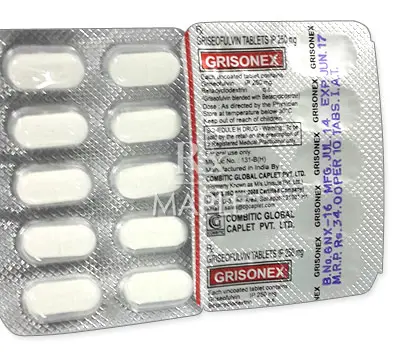
There are several distinct classes and formulations among antifungal medicines. Azole antifungals—examples people may recognize are fluconazole (often known by the name Diflucan), ketoconazole (as in Nizoral), itraconazole (Sporanox) and voriconazole (VFEND)—are available in oral, topical and sometimes intravenous forms. Allylamines such as terbinafine (Lamisil) are commonly used for skin and nail infections. Older oral options include griseofulvin, sold under names like Grifulvin, Grifulvin V and Grisactin. Combination topical products that pair an antifungal with an anti‑inflammatory agent are also used for certain skin conditions, and medicated shampoos formulated with antifungal agents (for example, Nizoral shampoo) can address scalp-related fungal problems.
Formulation and route of administration are chosen with regard to the infection site and severity. Topical creams, ointments and powders are typically used for localized skin or scalp infections. Oral tablets or capsules may be prescribed for nail infections, recurrent mucosal infections or systemic disease. Some agents are available as single‑use or short regimens for specific indications, while others require longer courses—particularly for nail or invasive infections—because fungal organisms can be slow to eradicate and require sustained therapy to resolve the infection.
Safety profiles, potential side effects and interactions vary across different antifungal medicines. Common local effects from topical products include irritation or redness, while systemic antifungals can be associated with gastrointestinal symptoms, changes in liver function tests, or interactions with other prescription medications. Some agents have specific considerations related to pregnancy, age groups, underlying liver disease or concurrent drug therapies. Product labeling and regulatory prescribing information provide detailed safety and contraindication summaries for each medicine.
When people choose an antifungal product they typically consider the affected body site, whether a prescription is required, the expected duration of treatment, formulation convenience (cream, gel, tablet, shampoo, or nail lacquer), known side effect or interaction risks, and any previous response to the same medicine. Brand and generic names such as Diflucan, Lamisil, Nizoral (and Nizoral shampoo), Sporanox, VFEND, Grifulvin, Grifulvin V and Grisactin are commonly encountered in product descriptions and can help users identify different options, but specifics about suitability and safety depend on the individual product and circumstance.