📞  — free, 24/7
— free, 24/7 — free, 24/7Medications and related products for treating mental health conditions such as depression, anxiety, bipolar disorder, schizophrenia, PTSD and OCD. Includes antidepressants, antipsychotics, mood stabilizers, anxiolytics and adjunctive treatments, with guidance on dosing, side effects and monitoring.
Medications and related products for treating mental health conditions such as depression, anxiety, bipolar disorder, schizophrenia, PTSD and OCD. Includes antidepressants, antipsychotics, mood stabilizers, anxiolytics and adjunctive treatments, with guidance on dosing, side effects and monitoring.
Mental illness medicines are prescription drugs used to manage symptoms associated with psychiatric and neurocognitive conditions. They are intended to reduce distressing symptoms, improve daily functioning and stabilize mood, thought or behavior. This category covers a broad set of therapeutic goals rather than a single disease, so products included range from short-term treatments for acute agitation or insomnia to long-term maintenance therapies for chronic conditions.
Common situations where these medicines are employed include treatment of depression and anxiety, control of manic or hypomanic episodes, reduction of psychotic symptoms such as hallucinations or delusions, management of attention and hyperactivity problems, support for sleep and wakefulness, and symptomatic treatment of cognitive decline or movement disorders associated with neurological disease. Some agents also serve secondary roles, for example reducing severe nausea or muscle spasms in the context of psychiatric care.
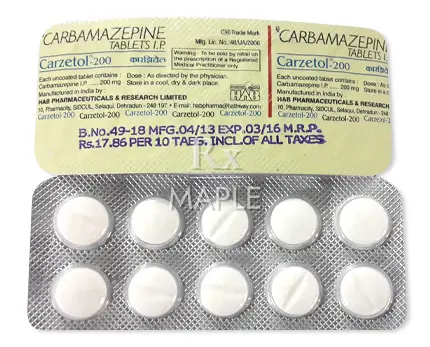
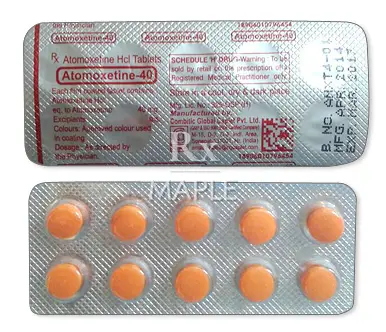
The category contains several pharmacological classes. Antidepressants and older tricyclics such as clomipramine appear alongside newer agents; anxiolytics and non‑benzodiazepine options are included for anxiety management. Antipsychotics are present in both typical and atypical forms, with examples ranging from classic agents to newer drugs that require specialist monitoring. Mood stabilizers include lithium formulations and anticonvulsant medicines used to prevent mood swings. There are stimulants and wakefulness‑promoting agents for attention and sleep disorders, plus cognitive enhancers and adjunctive medications that support overall treatment. Familiar drug names that illustrate the range include Anafranil, Buspar, Clozaril, Thorazine, Lithobid, Tegretol and Strattera, and other products such as Provigil, Namenda and nootropic formulations are sometimes grouped here depending on their clinical use.
Safety and monitoring considerations are an important part of this medication group. Many of these drugs have side effect profiles that can include drowsiness, weight and metabolic changes, movement-related symptoms, or effects on cardiovascular and neurological systems. Some require laboratory monitoring—examples include blood level checks for lithium and routine blood counts for certain antipsychotics—while others may interact with commonly used medicines or alcohol. Risk‑benefit assessment, awareness of potential drug interactions and attention to special populations such as pregnant people or older adults are typical concerns when these treatments are prescribed.
When people review options in this category they often weigh how quickly a medicine acts, how well it targets their primary symptoms, and what side effects are most likely. Dosing frequency, the need for regular blood tests, whether a medication is available in long‑acting injectable or oral form, and the history of response within a family or prior treatment also influence choices. Accessibility and whether a product is available as a generic can affect practical considerations, though clinical suitability and tolerability are usually the primary factors.
In clinical practice these medicines are frequently used alongside non‑drug approaches such as psychotherapy, lifestyle changes and social support, with the overall regimen tailored to diagnosis, severity and personal circumstances. Some treatments are intended for short, focused courses while others may be continued long term to prevent relapse. Given the variety of agents and the complexity of mental health conditions, selection and ongoing adjustment of medication commonly involve collaboration between patients and healthcare providers to balance effectiveness and safety.