📞  — free, 24/7
— free, 24/7 — free, 24/7Medications and relief products for managing arthritis symptoms, including oral and topical pain relievers, nonsteroidal anti-inflammatories, joint supplements, prescription disease-modifying drugs and biologics, plus braces, supports and topical heat/cold treatments.
Medications and relief products for managing arthritis symptoms, including oral and topical pain relievers, nonsteroidal anti-inflammatories, joint supplements, prescription disease-modifying drugs and biologics, plus braces, supports and topical heat/cold treatments.
Arthritis covers a range of conditions that affect joints and the tissues around them, producing pain, stiffness and reduced function. This category brings together medicines used to treat different causes of joint symptoms, from wear-and-tear osteoarthritis to inflammatory and autoimmune forms such as rheumatoid or psoriatic arthritis, and metabolic conditions like gout. Products included here are intended to reduce pain, control inflammation, prevent flares and — in some cases — modify the underlying disease process to preserve joint function over time.
Common uses for medicines in this group vary by diagnosis and by episode. Nonprescription pain relievers and nonsteroidal anti-inflammatory drugs (NSAIDs) are often used when symptom relief is needed for acute pain or chronic discomfort. Short courses of corticosteroids may be used for sharper flares to rapidly reduce inflammation. For gout, medications can treat an acute attack (for example colchicine) or be used long term to lower uric acid and prevent future attacks (for example allopurinol). In inflammatory or autoimmune types of arthritis, therapies that alter immune activity or slow disease progression are commonly part of management.
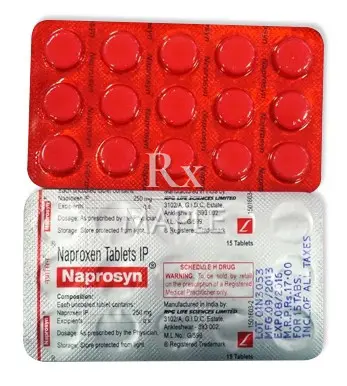
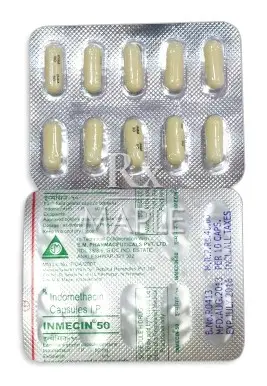
The assortment of medicines in this category includes several distinct classes. Analgesics and NSAIDs appear frequently, with familiar names such as ibuprofen (Motrin), naproxen (Naprosyn, Anaprox), indomethacin (Indocin), meloxicam (Mobic) and etoricoxib (Arcoxia) representing options for reducing pain and inflammation. Colchicine is commonly prescribed for acute gout flares, while xanthine oxidase inhibitors such as allopurinol (Zyloprim) are used to lower uric acid. Corticosteroids, exemplified by preparations like dexamethasone (Dexone), can provide potent anti-inflammatory effect for short periods. For chronic inflammatory disease there are immunomodulatory agents and targeted therapies, including cyclosporine (Neoral) and newer oral agents such as baricitinib (Olumiant), which act through different mechanisms than traditional pain relievers.
Safety considerations vary across these medicines and are important to understand as part of product selection. NSAIDs can cause gastrointestinal discomfort and, with prolonged use, increase the risk of ulcers or bleeding and may have cardiovascular or kidney implications in some people. Colchicine has a narrow therapeutic window and can produce gastrointestinal side effects at usual doses and more serious toxicity at higher exposures. Drugs that alter immune function can affect susceptibility to infections and may require laboratory monitoring to watch for effects on liver, kidney or blood counts. Allopurinol and similar agents may need dose adjustment in kidney impairment and can cause hypersensitivity reactions in a minority of users. Potential interactions with other medicines are common across these categories.
When exploring options, users typically consider the nature and severity of their symptoms, how quickly relief is needed, route of administration, dosing schedule and expected duration of use. Over-the-counter options such as ibuprofen or naproxen are often chosen for short-term symptomatic relief, whereas prescription medicines are selected for longer-term control, gout prevention or to modify disease activity. Concerns about side effects, existing medical conditions, concurrent medications and whether laboratory monitoring is required also influence choice. Regulatory status is another practical consideration, since some products are available without a prescription and others require a prescriber’s authorization for safe use.