📞  — free, 24/7
— free, 24/7 — free, 24/7Products and supplies for managing diabetes, including glucose meters, test strips and lancets, insulin and delivery devices, oral medications and monitoring accessories, wound and foot care items, and dietary support products for daily blood sugar control and monitoring.
Products and supplies for managing diabetes, including glucose meters, test strips and lancets, insulin and delivery devices, oral medications and monitoring accessories, wound and foot care items, and dietary support products for daily blood sugar control and monitoring.
The Diabetes category covers medicines used to help control blood glucose levels in people with diabetes, most commonly type 2 diabetes. It includes oral tablets and some oral formulations of newer agents that work by different biochemical mechanisms to reduce blood sugar or support the body’s own insulin response. Products in this group are generally used as part of a broader approach to diabetes management that also involves diet, activity and regular monitoring of blood glucose.
These medicines are commonly used to lower fasting and post‑meal blood glucose, reduce long‑term measures of control such as HbA1c, and in some cases to address related metabolic factors like insulin resistance or excess glucose absorption from the gut. Depending on the drug, therapy may begin with a single agent and later be combined with additional medicines to achieve treatment goals, or used as an alternative when one class is not well tolerated or effective enough on its own.
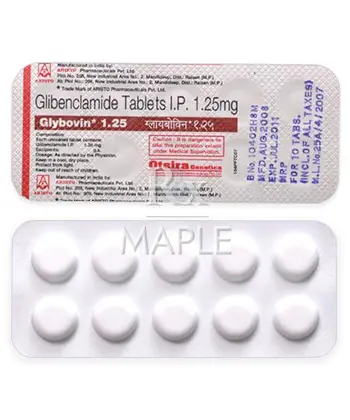
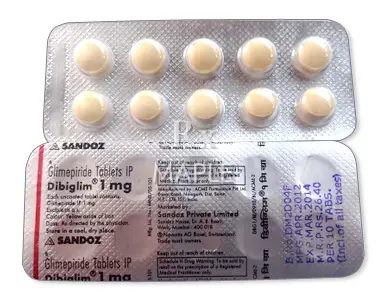
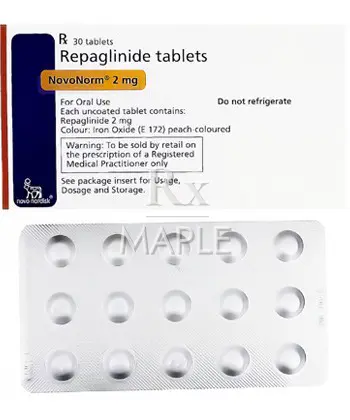
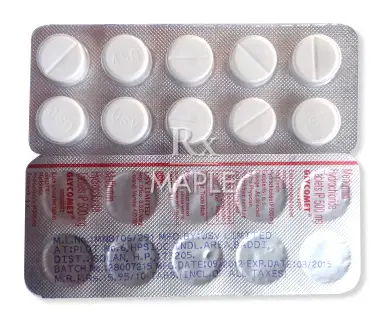
The category contains several distinct classes of medications. Biguanides are represented by metformin formulations (examples include Glucophage and extended‑release Glucophage XR or Glycomet) and are often a first‑line option. Insulin secretagogues such as sulfonylureas (glipizide sold as Glucotrol, glimepiride sold as Amaryl, and older forms like Micronase) and short‑acting meglitinides (for example Prandin) stimulate insulin release. Alpha‑glucosidase inhibitors (such as Precose) slow carbohydrate absorption, while thiazolidinediones (for example Actos) improve insulin sensitivity. Newer oral incretin‑based agents (for example oral semaglutide marketed as Rybelsus) and combination products that pair metformin with another active ingredient (products like Actoplus met, Glucovance or Jentadueto XR) are also included.
General safety considerations vary by drug class. Some medications are frequently associated with gastrointestinal effects, while others carry a higher risk of low blood sugar (hypoglycemia) or weight change; certain agents can affect fluid balance or have specific warnings relating to heart, kidney, liver or bone health. Drug interactions and renal function are common factors that influence suitability and dosing for many diabetes medicines. Product information, regulatory guidance and routine monitoring are typically used to manage these risks and to decide whether a particular medicine is appropriate for an individual.
When choosing a medicine from this category, people commonly consider how well the drug lowers blood sugar, dosing frequency (immediate‑release versus extended‑release), route of administration, side‑effect profile, impact on body weight, potential for low blood glucose, and whether a single tablet combines two agents. Availability of generic versions, formulation options that aid adherence, and known benefits beyond glucose lowering (for example cardiovascular or weight effects reported with some newer agents) are also frequent factors in decision making.