📞  — free, 24/7
— free, 24/7 — free, 24/7| Package | Price per Dose | Price | |
|---|---|---|---|
| 180 pills | C$1.53 | C$304.83 C$274.35 | |
| 120 pills | C$1.59 | C$211.20 C$190.08 | |
| 90 pills | C$1.69 | C$167.65 C$150.88 | |
| 60 pills | C$1.86 | C$124.10 C$111.69 | |
| 30 pills | C$2.23 | C$74.01 C$66.61 | |
| 360 pills | C$1.67 | C$666.31 C$599.68 Free shipping | |
| 180 pills | C$1.71 | C$341.85 C$307.67 Free shipping | |
| 120 pills | C$1.72 | C$230.80 C$207.72 | |
| 90 pills | C$1.82 | C$182.89 C$164.60 | |
| 60 pills | C$2.02 | C$134.99 C$121.49 | |
| 30 pills | C$2.29 | C$76.19 C$68.57 | |
| 10 pills | C$2.76 | C$30.46 C$27.42 | |
| 360 pills | C$2.74 | C$1,097.46 C$987.71 Free shipping | |
| 120 pills | C$2.84 | C$378.87 C$340.98 Free shipping | |
| 90 pills | C$3.04 | C$304.83 C$274.35 | |
| 60 pills | C$3.31 | C$219.91 C$197.92 | |
| 30 pills | C$3.59 | C$119.74 C$107.77 | |
| 10 pills | C$3.86 | C$43.53 C$39.18 | |
| 180 pills | C$4.53 | C$905.84 C$815.25 Free shipping | |
| 120 pills | C$4.76 | C$635.82 C$572.24 Free shipping | |
| 90 pills | C$5.08 | C$507.35 C$456.61 Free shipping | |
| 60 pills | C$5.53 | C$367.98 C$331.18 Free shipping | |
| 30 pills | C$6.11 | C$204.67 C$184.20 |
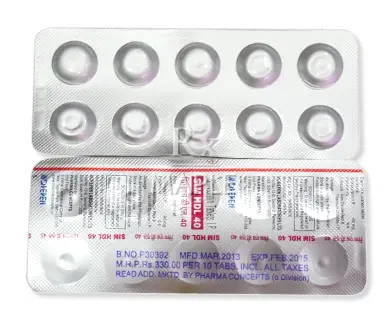
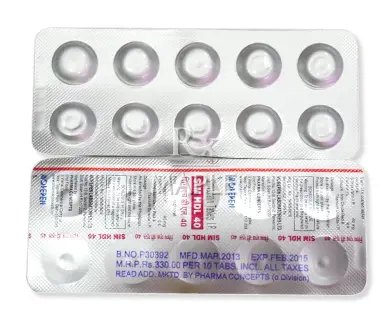
Introduced in 1991, simvastatin has become one of the most prescribed cholesterol-lowering drugs worldwide. It is a lipophilic statin delivered as a lactone prodrug and activated in the liver to the hydroxy acid form, where it blocks HMG‑CoA reductase and dampens cholesterol synthesis. By lowering LDL cholesterol, it helps reduce cardiovascular risk for many adults and works best alongside diet, exercise, and weight management. Its pharmacology also supports use in combination therapies when different lipid targets are needed.
Simvastatin is a prescription medicine designed to lower LDL cholesterol and triglycerides while modestly raising HDL. It belongs to the statin class and acts primarily in the liver to dampen cholesterol production. Typical doses range from 5 to 40 mg daily, adjusted for response and safety. Therapy is usually part of a broader plan that includes dietary changes and physical activity.
Simvastatin comes as oral tablets. It is often prescribed alongside lifestyle measures to manage cholesterol and reduce heart disease risk. Patients may start at a low dose and plan gradual titration to achieve target lipid levels while monitoring for side effects.
In primary prevention, simvastatin is used for adults at risk of atherosclerotic cardiovascular disease who have elevated LDL or other risk factors. It lowers LDL by about 25‑55% depending on dose and baseline levels, and can reduce the likelihood of heart attack or stroke when used with lifestyle changes. For high‑risk individuals, it may be chosen to address multiple risk factors in a single strategy.
In secondary prevention, simvastatin is indicated after cardiovascular events such as a heart attack or stroke to reduce recurrence. It also helps patients with coronary artery disease, peripheral artery disease, or high triglycerides when statin therapy is appropriate. It can be part of long‑term management for familial hypercholesterolemia in combination with other lipid‑lowering therapies. Dosing is tailored to achieve target lipid goals and may be adjusted based on response and tolerability.
Simvastatin inhibits HMG-CoA reductase, the liver enzyme that makes cholesterol. With less cholesterol produced, liver cells upregulate LDL receptors and pull more LDL from the blood. The result is lower LDL levels and a modest drop in triglycerides, with a small rise in HDL for many people. The drug's lipophilicity helps it reach liver targets more readily, but also means potential interactions with other medicines processed by similar pathways.
Because simvastatin is a prodrug and is activated in the liver, dosing and timing matter for maximizing effect while minimizing muscle and liver risks. Clinicians monitor lipid response and watch for signs of adverse effects, especially when adding other cholesterol‑lowering or interacting medicines.
Common side effects include muscle aches, headaches, constipation or upset stomach, and mild liver enzyme elevations. Rare but serious risks include myopathy and rhabdomyolysis, particularly with high doses or when combined with certain drugs or grapefruit products.
Safety notes: do not use during pregnancy or breastfeeding. Tell providers about all medicines, including antibiotics, antifungals, immunosuppressants, and herbal supplements. Liver function tests are usually done before starting treatment and during therapy, and kidney disease, older age, and high-dose regimens can influence risk and dosing.
14–21 days. Free from C$279.97 .
5–9 days. C$42.00
−10% when paying with cryptocurrency.
−10% on all repeat orders.
All orders are packed in neutral, unbranded boxes with no product name on the outside.