📞  — free, 24/7
— free, 24/7 — free, 24/7Products for urinary tract and bladder health, including UTI symptom relief and prevention aids, cranberry and D-mannose supplements, urinary probiotics, home test kits, bladder control and incontinence supplies, and pH/supportive formulations to help maintain normal urinary function.
Products for urinary tract and bladder health, including UTI symptom relief and prevention aids, cranberry and D-mannose supplements, urinary probiotics, home test kits, bladder control and incontinence supplies, and pH/supportive formulations to help maintain normal urinary function.
Urinary Health covers medicines that affect the lower urinary tract, including the bladder, urethra and prostate-related function. The focus is on drugs that change bladder muscle activity, relieve urinary obstruction, reduce unwanted spasms, or improve control over urgency and frequency. This category does not aim to address infectious diseases specifically, but rather the functional and mechanical aspects of urination that can affect quality of life for people of different ages.
Common use scenarios include overactive bladder with symptoms of sudden urgency and frequent need to urinate, different forms of urinary incontinence, nocturia (waking at night to pass urine), and symptoms related to enlarged prostate such as weak stream or difficulty initiating urination. Some products are intended to relax bladder muscle contractions or to calm bladder spasms, while others target the smooth muscle around the prostate and bladder outlet to reduce resistance to urine flow.
Medicines in this group fall into distinct classes according to how they work. Antimuscarinic or anticholinergic agents reduce involuntary bladder contractions and are typically available as immediate-release or extended-release tablets and as transdermal patches. Alpha‑1 blockers relax smooth muscle in the prostate and bladder neck to ease obstruction and are usually oral tablets. There are also antispasmodics targeted at relieving bladder spasm. Formulation and release profile are important because they influence how quickly a medication works and how often it must be taken.
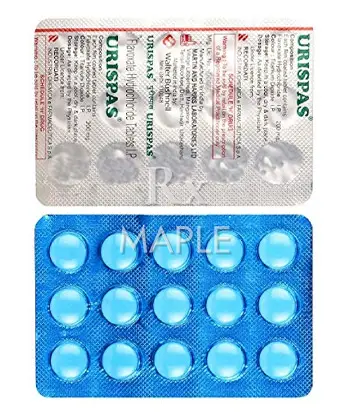
Well-known examples appear throughout the category and illustrate the different options available. Tolterodine appears as both immediate-release and extended‑release formulations under names such as Detrol and Detrol LA. Oxybutynin is available as oral Ditropan and as a transdermal option like Oxytrol. Solifenacin is commonly sold as Vesicare. For urinary outflow problems related to prostate enlargement, medicines such as tamsulosin (Flomax), alfuzosin (Uroxatral), terazosin (Hytrin) and prazosin (Minipress) are typical. Flavoxate, often known by the name Urispas, is an example of an antispasmodic used to ease bladder cramping.
Safety considerations relevant to many of these medicines are described in product information and regulatory materials. Antimuscarinic agents are frequently associated with effects such as dry mouth, constipation and blurred vision; alpha‑blockers may be linked with dizziness or drops in blood pressure in some people. Interactions with other medications and the presence of certain health conditions can influence suitability. Packaging, prescribing information and official labeling identify common side effects and contraindications for each product.
When choosing a urinary health medicine, consumers often consider the specific symptoms they want to treat, how quickly they need relief, dosing frequency and the preferred formulation (tablet versus patch, immediate versus extended release). Tolerability, the known side effect profile and how a medicine fits with other treatments or conditions are also commonly weighed. Availability and regulatory status differ by region, and product leaflets and official information describe approved uses and administration details for each medicine.