📞  — free, 24/7
— free, 24/7 — free, 24/7| Package | Price per Dose | Price | |
|---|---|---|---|
| 350 pills | C$0.80 | C$327.82 C$278.64 | |
| 140 pills | C$0.88 | C$145.16 C$123.39 | |
| 84 pills | C$1.00 | C$98.33 C$83.58 | |
| 56 pills | C$1.09 | C$72.57 C$61.68 | |
| 28 pills | C$1.21 | C$39.79 C$33.82 | |
| 14 pills | C$1.57 | C$25.74 C$21.88 | |
| 350 pills | C$0.86 | C$353.57 C$300.54 Free shipping | |
| 140 pills | C$0.94 | C$154.53 C$131.35 | |
| 98 pills | C$1.04 | C$119.40 C$101.49 | |
| 84 pills | C$1.15 | C$114.72 C$97.51 | |
| 56 pills | C$1.27 | C$84.28 C$71.64 | |
| 28 pills | C$1.41 | C$46.81 C$39.79 | |
| 14 pills | C$1.85 | C$30.42 C$25.86 | |
| 350 pills | C$1.05 | C$435.53 C$370.20 Free shipping | |
| 140 pills | C$1.17 | C$194.34 C$165.19 | |
| 84 pills | C$1.33 | C$131.11 C$111.45 | |
| 56 pills | C$1.45 | C$95.99 C$81.59 | |
| 28 pills | C$1.63 | C$53.84 C$45.76 | |
| 14 pills | C$1.99 | C$32.76 C$27.85 |
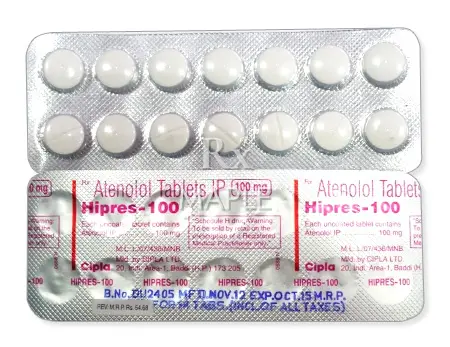
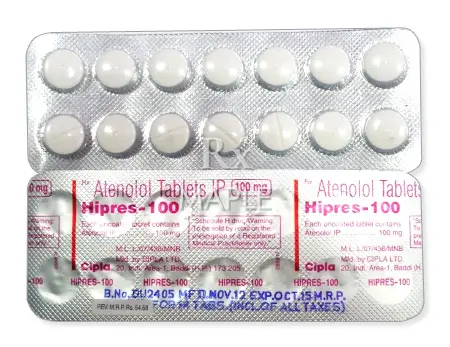
Atenolol, a hydrophilic, cardioselective beta-1 adrenergic antagonist, was approved for clinical use in 1975 and quickly became a widely prescribed antihypertensive. By blocking cardiac beta-1 receptors, it lowers heart rate and myocardial contractility, reducing blood pressure and myocardial oxygen demand during ischemia.
Pharmacokinetics show predominant renal clearance with minimal hepatic metabolism. Its selectivity for beta-1 receptors reduces beta-2 blockade at common doses, minimizing bronchospasm and peripheral vasodilation. Atenolol's long duration supports once-daily dosing in many patients.
Common medical uses include hypertension, stable angina, and post–myocardial infarction management. It decreases mortality after MI in selected patients and helps control heart rate during tachyarrhythmias. Its cardioselectivity is advantageous when airway disease is a consideration.
In clinical practice, atenolol is often combined with other cardiovascular agents as part of a comprehensive plan. It requires dose adjustment in renal impairment. Higher doses increase the risk of fatigue and bradycardia, and interactions with other antihypertensives merit monitoring.
Atenolol is taken orally as tablets, usually once daily due to its prolonged action. The dose is individualized to reach target heart rate and blood pressure. Tablets may be taken with or without food, at the same time each day.
Typical starting doses range from 25 mg daily, titrating to 50–100 mg daily for hypertension. For angina, 50–100 mg daily, sometimes up to 200 mg. After myocardial infarction, therapy is guided by tolerance and risk; abrupt cessation is discouraged.
Contraindications include severe bradycardia, high-grade AV block, overt heart failure without support, cardiogenic shock, and hypersensitivity. Caution is advised in patients with renal impairment, diabetes, peripheral vascular disease, or respiratory disease; pregnancy and lactation require careful risk assessment.
Drug interactions may include non-dihydropyridine calcium channel blockers (eg, verapamil, diltiazem) causing bradycardia or AV block. Other antihypertensives can augment hypotension and fatigue. Monitor renal function and electrolytes; adjust dosing in renal impairment to prevent accumulation.
Common adverse effects include fatigue, bradycardia, dizziness, cold extremities, and gastrointestinal upset. Some patients report reduced exercise tolerance or sexual dysfunction. Cough or bronchospasm is uncommon but possible, especially at higher doses or in susceptible individuals.
Patients should seek care for signs of heart failure, severe bradycardia, or wheezing. Do not discontinue abruptly; tapering is advised. Regular monitoring of heart rate, blood pressure, and renal function helps ensure safe use as part of cardiovascular therapy.
14–21 days. Free from C$284.35 .
5–9 days. C$42.65
−10% when paying with cryptocurrency.
−10% on all repeat orders.
All orders are packed in neutral, unbranded boxes with no product name on the outside.