📞  — free, 24/7
— free, 24/7 — free, 24/7Medications used to prevent and treat infections caused by parasites - including intestinal worms, protozoa, lice, scabies and malaria. Products range from oral and topical therapies to systemic agents, covering prescription and over-the-counter options for human parasitic conditions.
Medications used to prevent and treat infections caused by parasites - including intestinal worms, protozoa, lice, scabies and malaria. Products range from oral and topical therapies to systemic agents, covering prescription and over-the-counter options for human parasitic conditions.
Antiparasitic medicines are a group of pharmaceutical products designed to address infections caused by a variety of parasites. Parasites that affect humans range from microscopic protozoa to larger worms and external parasites; medications in this category are formulated to reduce, eliminate, or control those organisms. Products sold under this heading may be used for intestinal worms, tissue-invasive parasites, protozoal infections, or disorders associated with ectoparasites. The category brings together agents that share the goal of targeting parasitic life cycles, even though their chemical structures and mechanisms differ.
Common use cases for antiparasitic agents include treatment of intestinal helminths such as roundworms, pinworms, hookworms and tapeworms; management of tissue-dwelling flukes and cestodes; and therapy for protozoal infections like giardiasis and trichomoniasis. Some medicines are intended for single-dose therapy for specific infestations, while others require multi-day regimens to reach effective concentrations in the body. Certain agents are applied topically or used as topical adjuncts when parasites affect the skin or hair, whereas many are taken orally to treat internal infections.
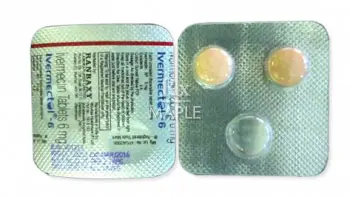
Different chemical classes are represented in this category, each with characteristic activity against particular types of parasites. Examples that are commonly encountered include albendazole (often known by trade names such as Albenza) and mebendazole (Vermox), which are broad-spectrum anthelmintics active against many intestinal worms; praziquantel (Biltricide), which is effective against many tapeworms and flukes; ivermectin (Stromectol), widely used for both human and veterinary parasitic infections; and tinidazole, an antiprotozoal agent used against certain Giardia and Trichomonas infections. Over-the-counter and prescription-only products may both appear in this grouping depending on local regulations.
Medications in this area work through different mechanisms: some interfere with parasite energy metabolism or microtubule formation, others cause paralysis of the parasite so it can be expelled, and some disrupt nucleic acid function. Formulation types vary from single-tablet doses to multi-day oral courses and from creams or lotions for topical use to suspensions for children. The choice of regimen often reflects the parasite species, the site of infection, patient age and weight, and the pharmacological properties of the drug such as how it is absorbed and metabolized.
Safety profiles and side effects differ between agents. Reported adverse effects can include gastrointestinal symptoms, headache, dizziness, transient laboratory changes, and, less commonly, more serious reactions. Some antiparasitic drugs are metabolized by the liver or interact with other medications, and a few have specific considerations in pregnancy or in very young children. Label information and regulatory guidance summarize known risks and contraindications, while clinical judgment informs appropriate selection and monitoring of therapy.
When people browse antiparasitic products online they often look for information about the type of parasite targeted, whether a single dose or a longer course is needed, dosing suitable for different ages or body weights, formulation preferences (tablet versus liquid or topical), and known side effects or interactions. Other practical concerns include availability of pediatric formulations and whether laboratory testing or species identification is typically part of the diagnostic process. Product listings, clinical summaries and official prescribing information are common sources of the detailed facts consumers use to compare options and understand what each medicine is designed to treat.