📞  — free, 24/7
— free, 24/7 — free, 24/7Products for managing hair thinning and loss, including topical treatments (minoxidil), oral medications, medicated shampoos and conditioners, scalp treatments, nutritional supplements and non-prescription supports. Information on use, dosages, and common side effects is provided.
Products for managing hair thinning and loss, including topical treatments (minoxidil), oral medications, medicated shampoos and conditioners, scalp treatments, nutritional supplements and non-prescription supports. Information on use, dosages, and common side effects is provided.
Medications in the Hair Loss category address thinning hair and pattern baldness by targeting the biological processes that cause follicles to shrink or stop producing visible hair. The range includes products intended to slow progression, stimulate regrowth in affected areas, or both. Treatments are offered in different forms and strengths to suit varying causes and severities of hair loss, and the category covers options for men and women with pattern-related shedding as well as other types of non-scarring hair thinning.
Common scenarios for choosing items from this category include hereditary male- or female-pattern hair loss, age-related thinning, and situations where predictable hair reduction follows a medical treatment or illness. Some people seek medications early to preserve existing hair, while others look for agents that can encourage regrowth after notable thinning. Expectations vary: many users aim to reduce further loss, improve hair density, or slow the visible progression of a receding hairline or widening part.
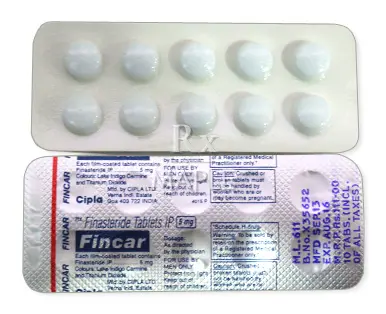
The category contains two main classes of products: topical agents and oral medications. A widely recognized topical is minoxidil, often available in foam or liquid formulations, which is represented by well-known names such as Rogaine. Oral 5‑alpha‑reductase inhibitors are another major group; finasteride appears in formulations identified by names like Propecia, Proscar, Finpecia, Fincar and Penisole, while dutasteride appears under names such as Avodart or Dutas. Products come in branded and generic forms and may be marketed for different patterns or age groups.
Safety considerations are an important part of understanding this category. Adverse effects differ by product type: topical preparations commonly list local scalp irritation and unwanted hair growth outside the application area, while oral inhibitors have been associated with systemic effects in some users. Certain medications carry specific warnings about use in pregnancy or handling by women of childbearing potential. Package information and regulatory labeling describe contraindications, possible side effects, and precautions associated with each medicine.
Typical use patterns in this category reflect the biology of hair growth: topical treatments are applied directly to the scalp in specified formulations, and oral tablets are taken at regular intervals. Noticeable changes generally develop over several months, and many products require ongoing use to maintain benefits; stopping treatment often leads to gradual return to the prior pattern. Some users combine topical and oral approaches to address different aspects of hair thinning, and product form—foam versus solution, tablet strength and dosing frequency—affects convenience and adherence.
When comparing options, people commonly weigh evidence of effectiveness, speed of onset, safety profile, ease of use, and whether a product is available over the counter or by prescription. Cost considerations and the availability of generic versions are often important, as are formulation preferences (for example, alcohol-based solution versus foam) and potential interactions with other medications. Brand recognition, documented clinical results, and user reviews also influence choice, and many consumers review product labels and regulatory information to match a treatment to their pattern and goals.