📞  — free, 24/7
— free, 24/7 — free, 24/7Men's Health covers treatments and preventative care for erectile dysfunction, libido and testosterone support, prostate and urinary health, hair loss management, fertility aids, and sexual wellness products, plus vitamins and supplements tailored to men's needs.
Men's Health covers treatments and preventative care for erectile dysfunction, libido and testosterone support, prostate and urinary health, hair loss management, fertility aids, and sexual wellness products, plus vitamins and supplements tailored to men's needs.
Men's Health covers medications that address a range of conditions specific to male physiology, including sexual function, urinary and prostate disorders, hormone-related issues and hair loss. Products in this category are formulated to influence erectile function, ejaculatory control, prostate size and urinary flow, testosterone levels, or the hormonal mechanisms behind male pattern baldness. The category spans short‑acting oral treatments, daily oral therapies, topical hormone formulations and drugs used to alter androgen signalling, reflecting the various ways men's health concerns are managed medically.
Common use cases are erectile dysfunction, premature ejaculation, benign prostatic hyperplasia (BPH) and lower urinary tract symptoms, low testosterone states, androgen‑driven hair thinning, and, in some cases, treatments that reduce androgen activity for prostate conditions. Erectile dysfunction medications are used to facilitate an erection in response to sexual stimulation, while agents aimed at premature ejaculation affect ejaculatory timing. Drugs for BPH and urinary symptoms can reduce prostate volume or relax smooth muscle to improve urine flow, and testosterone preparations are intended to restore or replace androgen levels.
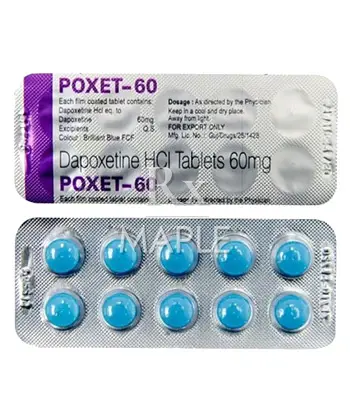
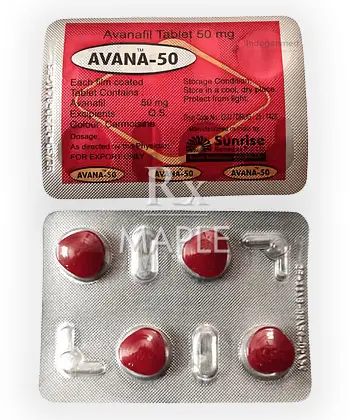
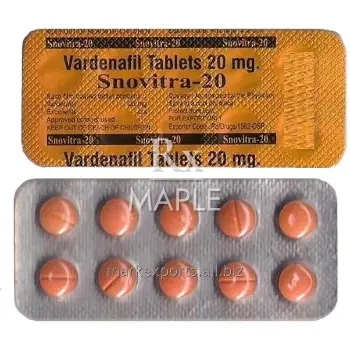
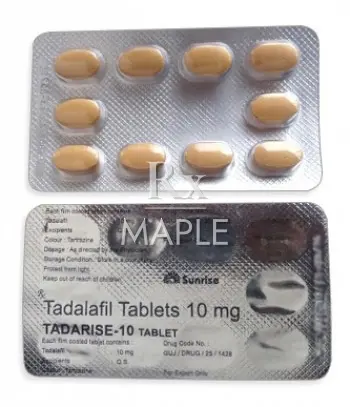
Several classes of medicines appear in this category. Phosphodiesterase type 5 (PDE5) inhibitors such as sildenafil (Viagra), tadalafil (Cialis), vardenafil (Levitra) and avanafil (Stendra) are widely recognized for treating erectile difficulties. Short‑acting selective serotonin reuptake modulators used specifically for ejaculatory control include dapoxetine (Priligy, Poxet) and combination products that pair PDE5 inhibitors with ejaculatory agents or other components (for example, formulations combining sildenafil or tadalafil with dapoxetine). Five‑alpha‑reductase inhibitors such as finasteride (Propecia/Proscar) and dutasteride (Avodart) are used to modify prostate size and to treat androgenic hair loss. Alpha‑1 blockers like tamsulosin (Flomax) and alfuzosin (Uroxatral) target urinary symptoms, while topical testosterone gels (e.g., AndroGel) provide hormone replacement. Antiandrogen drugs such as bicalutamide (Casodex) are also part of the broader therapeutic landscape for androgen‑sensitive conditions.
Usage patterns vary by drug class. Some medications are taken on demand before sexual activity and have relatively rapid onset, while others are intended for daily use and require consistent dosing over weeks to months to achieve full effect. Hormone therapies and 5‑alpha‑reductase inhibitors are typically continued long term to maintain benefits, and alpha‑blockers are often prescribed to relieve urinary symptoms on an ongoing basis. Fast‑acting formulations and different delivery forms, such as oral tablets, dissolvable jellies, sublingual sprays or topical gels, offer options for convenience and speed of action depending on individual preferences and clinical circumstances.
General safety considerations relate to potential side effects and drug interactions. Common adverse effects reported across these medicines can include headache, flushing, digestive upset, dizziness, changes in blood pressure and sexual side effects such as altered libido or ejaculatory changes. Certain cardiovascular medications, notably nitrates, can interact dangerously with PDE5 inhibitors and are a well‑documented interaction concern; some agents may also affect mood or cause sleep disturbances. Longer‑term use of hormone‑modifying drugs may carry additional risks that are monitored in clinical practice. Information on contraindications, monitoring needs and interaction profiles is an important part of understanding any medication in this group.
When people evaluate products in the Men's Health category they often consider the condition being treated, how quickly a medicine works, how long the effect lasts, side‑effect profiles, formulation or route of administration, and the availability of generic versus branded options. Convenience factors, such as once‑daily dosing versus as‑needed use, and the presence of combination formulations that address more than one symptom, also influence selection. Regulatory status and prescription requirements affect access in different regions, and consumers typically balance desired outcomes with tolerability and practical aspects like dosing format and expected duration of therapy.