📞  — free, 24/7
— free, 24/7 — free, 24/7| Package | Price per Dose | Price | |
|---|---|---|---|
| 360 pills | C$1.96 | C$783.27 C$704.95 Free shipping | |
| 270 pills | C$1.92 | C$572.47 C$515.22 Free shipping | |
| 180 pills | C$1.98 | C$394.95 C$355.46 Free shipping | |
| 120 pills | C$2.14 | C$284.01 C$255.61 | |
| 90 pills | C$2.36 | C$235.19 C$211.67 | |
| 60 pills | C$2.78 | C$184.15 C$165.74 | |
| 30 pills | C$3.97 | C$133.12 C$119.80 | |
| 360 pills | C$3.55 | C$1,424.56 C$1,282.10 Free shipping | |
| 270 pills | C$3.95 | C$1,187.13 C$1,068.41 Free shipping | |
| 180 pills | C$4.39 | C$878.69 C$790.82 Free shipping | |
| 120 pills | C$4.47 | C$596.88 C$537.19 Free shipping | |
| 90 pills | C$4.69 | C$470.40 C$423.36 Free shipping | |
| 60 pills | C$4.93 | C$328.39 C$295.55 Free shipping | |
| 30 pills | C$5.49 | C$184.15 C$165.74 | |
| 270 pills | C$3.34 | C$998.51 C$898.66 Free shipping | |
| 180 pills | C$3.71 | C$743.33 C$669.00 Free shipping | |
| 120 pills | C$4.13 | C$550.28 C$495.25 Free shipping | |
| 90 pills | C$4.57 | C$457.09 C$411.38 Free shipping | |
| 60 pills | C$5.09 | C$339.48 C$305.53 Free shipping | |
| 30 pills | C$6.71 | C$224.09 C$201.68 | |
| 270 pills | C$5.25 | C$1,573.23 C$1,415.90 Free shipping | |
| 180 pills | C$5.23 | C$1,047.33 C$942.60 Free shipping | |
| 120 pills | C$5.83 | C$776.62 C$698.96 Free shipping | |
| 90 pills | C$6.47 | C$647.92 C$583.13 Free shipping | |
| 60 pills | C$7.19 | C$479.28 C$431.35 Free shipping | |
| 30 pills | C$7.99 | C$266.25 C$239.63 |
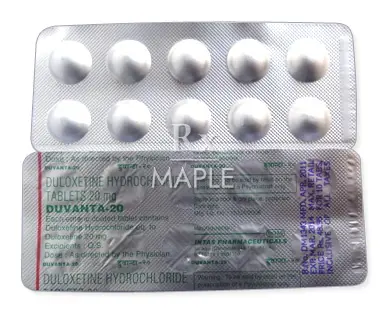
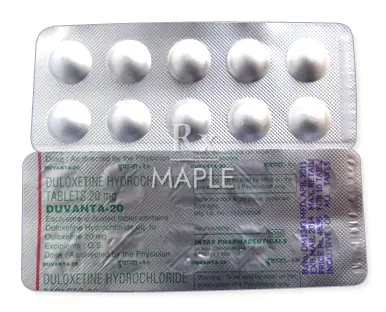
Persistent low mood, loss of interest, fatigue, and anxious thoughts can weigh heavily on daily life. Many patients also experience sleep disruption and, for some, nerve‑related pain such as burning, tingling, or shooting sensations. Duloxetine is primarily used to treat major depressive disorder, generalized anxiety disorder, neuropathic pain, fibromyalgia, and certain chronic musculoskeletal pains. It belongs to the serotonin-norepinephrine reuptake inhibitor family and is taken as a daily capsule.
Duloxetine is an oral prescription medicine in the serotonin-norepinephrine reuptake inhibitor (SNRI) class. It works by boosting two brain chemicals that influence mood and pain signals, helping improve mood and reduce certain types of pain. It is typically prescribed as a long‑term treatment.
It is available as capsules in several strengths. Dosing and duration depend on the condition being treated, and a clinician adjusts it based on response and tolerability. The medication is usually taken once or twice daily, with or without food, as directed by a clinician.
Duloxetine is commonly used to treat major depressive disorder and generalized anxiety disorder. It can also help relieve neuropathic pain from diabetes or nerve injury, and it is prescribed for fibromyalgia and certain chronic musculoskeletal pains. These uses reflect the drug’s action on mood and pain pathways.
While not a cure, it can improve daily functioning and quality of life for many patients. It may be started after other treatments have been tried or when symptoms are affecting sleep, appetite, or work. A clinician will monitor response, side effects, and any mood changes closely.
Duloxetine should not be used in people with a known allergy to the drug or its components. It is also contraindicated with monoamine oxidase inhibitors (MAOIs) or within about 14 days of stopping them, to avoid dangerous serotonin-related reactions. In addition, linezolid or intravenous methylene blue use is avoided because of similar risks.
Severe liver impairment or active liver disease increases the risk of serious side effects and may prevent use. People with significant kidney disease, especially those on dialysis, require careful assessment. Hyponatremia risk is higher in older adults and may present as confusion or dizziness; duloxetine can raise blood pressure and should be used with caution in those with hypertension. Alcohol use, bleeding disorders, bipolar disorder, pregnancy, and breastfeeding require a clinician's careful assessment before starting treatment.
Common side effects appear early and often lessen with time. Many people notice nausea, dry mouth, sweating, dizziness, fatigue, constipation or diarrhea, and a reduction in appetite. Sleep disturbances, such as insomnia or vivid dreams, can also occur as the body adjusts to the medicine.
Less common effects include increased blood pressure, rapid heartbeat, sexual dysfunction, and mood swings. Some users report headaches, blurred vision, or fainting when standing up quickly. Rare but serious issues such as severe liver problems, serotonin syndrome when combined with other serotonergic drugs, and seizures require urgent medical attention. Stopping duloxetine abruptly can cause withdrawal-like symptoms.
Duloxetine interacts with other medicines and substances that affect serotonin, such as MAO inhibitors or other antidepressants, which can raise the risk of serotonin syndrome. Do not start duloxetine if you are taking an MAOI or within 14 days of stopping one; similarly, linezolid or IV methylene blue must be avoided.
Other drug interactions can alter duloxetine levels or safety. Anticoagulants, antiplatelets, and NSAIDs may increase bleeding risk. Alcohol can worsen side effects and liver effects. Tell your clinician about all medicines, vitamins, and herbal products you take, as some drugs require dose adjustments or closer monitoring when used with duloxetine.
14–21 days. Free from C$285.30 .
5–9 days. C$42.79
−10% when paying with cryptocurrency.
−10% on all repeat orders.
All orders are packed in neutral, unbranded boxes with no product name on the outside.