📞  — free, 24/7
— free, 24/7 — free, 24/7| Package | Price per Dose | Price | |
|---|---|---|---|
| 360 pills | C$1.12 | C$532.44 C$399.33 Free shipping | |
| 270 pills | C$1.28 | C$460.56 C$345.42 Free shipping | |
| 180 pills | C$1.48 | C$354.06 C$265.55 | |
| 120 pills | C$1.66 | C$266.21 C$199.66 | |
| 90 pills | C$1.88 | C$226.27 C$169.70 | |
| 60 pills | C$2.14 | C$170.36 C$127.77 | |
| 30 pills | C$2.46 | C$98.48 C$73.86 | |
| 360 pills | C$1.66 | C$798.67 C$599.01 Free shipping | |
| 270 pills | C$1.88 | C$676.21 C$507.15 Free shipping | |
| 180 pills | C$2.16 | C$519.13 C$389.35 Free shipping | |
| 120 pills | C$2.48 | C$396.66 C$297.50 Free shipping | |
| 90 pills | C$2.74 | C$327.47 C$245.60 | |
| 60 pills | C$3.06 | C$244.91 C$183.68 | |
| 30 pills | C$3.45 | C$138.41 C$103.81 | |
| 270 pills | C$2.22 | C$798.67 C$599.01 Free shipping | |
| 180 pills | C$2.56 | C$612.31 C$459.23 Free shipping | |
| 120 pills | C$2.86 | C$457.89 C$343.42 Free shipping | |
| 90 pills | C$3.23 | C$388.67 C$291.51 Free shipping | |
| 60 pills | C$3.59 | C$287.51 C$215.63 | |
| 30 pills | C$4.05 | C$162.38 C$121.78 |
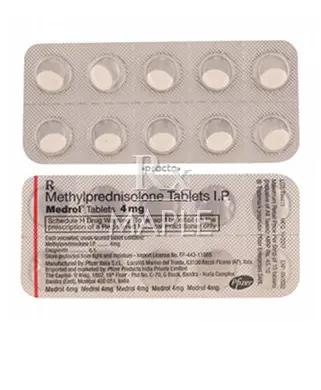
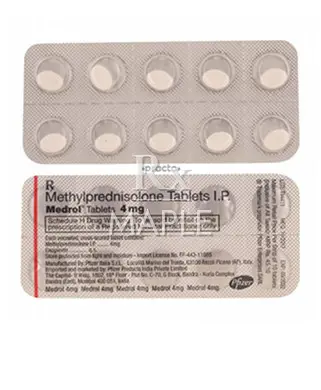
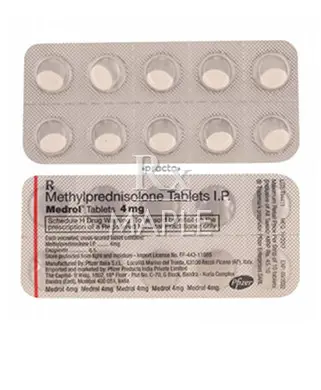
Methylprednisolone is a synthetic glucocorticoid receptor agonist of the corticosteroid class. It exerts anti-inflammatory and immunosuppressive effects through genomic regulation of inflammatory mediators, and its primary therapeutic use is in the management of moderate to severe inflammatory and autoimmune disorders.
Methylprednisolone is available in oral and parenteral forms (methylprednisolone sodium succinate for intravenous use and methylprednisolone acetate for intramuscular administration). Pharmacokinetic properties vary by preparation and route, with rapid onset for intravenous forms and longer duration for depot preparations; metabolism occurs hepatically with renal excretion of metabolites. Chronic use may suppress the hypothalamic-pituitary-adrenal axis, necessitating careful tapering to minimize withdrawal phenomena and adrenal insufficiency.
Methylprednisolone acts as a high-affinity agonist at glucocorticoid receptors, altering gene transcription to decrease the production of proinflammatory cytokines, chemokines, and mediators of immune activation. The net effect is reduced leukocyte infiltration, diminished vascular permeability, and suppression of granulomatous and cytotoxic responses; these actions underpin its utility in inflammatory and autoimmune disease states. Mineralocorticoid activity is relatively modest but may contribute to fluid and electrolyte disturbances during high-dose or prolonged therapy.
Therapeutic use is broad but typically focused on conditions requiring rapid control of inflammation or immune-mediated injury. Short courses may be employed for acute exacerbations, while longer courses require careful monitoring for metabolic disturbances, infection risk, and iatrogenic endocrine effects. Dose, duration, and tapering plans are tailored to disease severity, prior corticosteroid exposure, and comorbidity profile.
Methylprednisolone is indicated for a wide range of inflammatory and autoimmune disorders, including rheumatologic diseases (eg, active synovitis, vasculitis), dermatologic conditions (severe eczema, psoriasis with systemic symptoms), ophthalmic inflammatory diseases, and inflammatory bowel disease with moderate-to-severe activity. It is also used in severe allergic reactions and anaphylaxis as part of a multi-agent regimen, and to bridge during management of adrenal insufficiency or secondary adrenal suppression. In some settings, it serves as adjunctive therapy in organ transplantation to reduce rejection risk and in acute spinal cord injury or neuritis where inflammatory mechanisms contribute to tissue damage.
In respiratory medicine, methylprednisolone is employed for moderate-to-severe asthma or COPD exacerbations when systemic therapy is indicated, typically as a short tapering course. For certain hematologic or oncologic conditions, it may be used as part of combination therapy or as an antiemetic/antiproliferative adjunct in specific regimens, with risk-benefit considerations guiding use. Dose selection should reflect disease activity, patient age, and prior corticosteroid exposure.
Absolute contraindications include known hypersensitivity to methylprednisolone or other corticosteroids and systemic fungal infections. Live attenuated vaccines should be withheld during systemic corticosteroid therapy due to impaired immune response, and current infections require appropriate antimicrobial therapy with careful risk assessment before initiating high-dose glucocorticoids.
Significant caution is warranted in patients with peptic ulcer disease, gastrointestinal bleeding, or medically treated non-ulcer dyspepsia; chronic corticosteroid use can worsen gastritis and ulcer risk. Metabolic disease, notably diabetes mellitus and latent or active osteoporosis, may be exacerbated by corticosteroid therapy, necessitating adjustments in glucose monitoring and bone-protective strategies. Hypertension, congestive heart failure, and edema may worsen due to mineralocorticoid-like effects and fluid retention; electrolyte monitoring (especially potassium) is advised during high-dose regimens.
Long-term corticosteroid treatment suppresses hypothalamic-pituitary-adrenal axis and can impair growth in children, delay wound healing, and increase susceptibility to infection. Psychiatric and behavioral adverse effects range from mood lability and insomnia to severe anxiety or psychosis; patients with preexisting mood or psychotic disorders require close observation. In pregnancy, methylprednisolone may cause fetal growth impairment and other adverse effects; use should be limited to pregnancies with clear maternal benefit and under specialist supervision. Caution is advised in elderly patients due to heightened susceptibility to osteoporosis, myopathy, and electrolyte disturbances.
When tapering after prolonged therapy, abrupt discontinuation risks adrenal insufficiency; a gradual dose reduction is essential, with monitoring for withdrawal symptoms and underlying disease recurrence. Patients with hepatic impairment may require dose adjustments due to altered metabolism; renal dysfunction can affect clearance of some metabolites. Immunosuppression warrants preventive health measures, including vaccinations and infection surveillance. Overall, prior to initiating therapy, a comprehensive assessment of infection status, metabolic risk, and concurrent medications should be completed.
Very common: hyperglycemia or impaired glucose tolerance, increased appetite with weight gain, fluid retention and edema, insomnia, mood disturbances, and transient hypertension. These effects are more likely during high-dose or long-term therapy and often require metabolic monitoring and lifestyle modification while treatment is ongoing.
Common: dyspepsia, abdominal discomfort, osteoporosis or osteopenia with prolonged use, myalgias or weakness, facial rounding (moon facies) and acneiform changes, skin thinning and bruising, menstrual irregularities, and increased susceptibility to infections due to immunomodulation. Delayed wound healing may complicate surgical or traumatic recovery when therapy is in effect.
Uncommon: cataracts and elevated intraocular pressure with long-term use, glaucoma progression in susceptible individuals, hypertension refractory to nonsteroidal measures, hyperlipidemia, and growth retardation in pediatric patients. Rare events include aseptic necrosis of bone, pancreatitis, thromboembolic complications, and severe psychiatric decompensation requiring clinical intervention.
Systemic corticosteroids interact with vaccines and immune-modulating therapies. Live vaccines should be avoided during systemic methylprednisolone therapy and for a period after cessation, depending on dose and duration. Immunizations with inactivated vaccines may have reduced antibody responses; timing around high-dose therapy should be coordinated with vaccination schedules.
Pharmacodynamic interactions include increased gastrointestinal irritation when coadministered with NSAIDs and higher risk of peptic ulcer bleeding. Antidiabetic agents may require dose adjustments due to corticosteroid-induced hyperglycemia; insulin regimens often demand closer monitoring. Potassium-depleting diuretics (e.g., furosemide, thiazides) can exacerbate hypokalemia under corticosteroid therapy, necessitating potassium monitoring and supplementation as needed.
Metabolic interactions involve cytochrome P450 inducers (e.g., rifampin, phenytoin, phenobarbital) that may accelerate methylprednisolone clearance, potentially diminishing efficacy; conversely, concomitant strong P450 inhibitors (eg, certain azole antifungals, macrolide antibiotics) can increase corticosteroid exposure and toxicity risk. Vaccination timing, hepatic function, and concomitant use of anticoagulants (with variable effects) require individualized assessment. When combining with other glucocorticoids or immunosuppressants, cumulative immunosuppression and metabolic effects should guide monitoring and dose adjustments.
14–21 days. Free from C$285.25 .
5–9 days. C$42.79
−10% when paying with cryptocurrency.
−10% on all repeat orders.
All orders are packed in neutral, unbranded boxes with no product name on the outside.