📞  — free, 24/7
— free, 24/7 — free, 24/7| Package | Price per Dose | Price | |
|---|---|---|---|
| 360 pills | C$0.61 | C$313.54 C$219.48 | |
| 240 pills | C$0.67 | C$229.55 C$160.68 | |
| 180 pills | C$0.71 | C$181.95 C$127.37 | |
| 120 pills | C$0.76 | C$131.56 C$92.09 | |
| 90 pills | C$0.82 | C$106.36 C$74.45 | |
| 60 pills | C$0.84 | C$69.96 C$48.98 | |
| 30 pills | C$0.90 | C$39.17 C$27.42 | |
| 360 pills | C$0.84 | C$433.93 C$303.75 Free shipping | |
| 240 pills | C$0.88 | C$302.34 C$211.64 | |
| 180 pills | C$0.94 | C$240.75 C$168.52 | |
| 120 pills | C$1.04 | C$179.15 C$125.41 | |
| 90 pills | C$1.12 | C$142.76 C$99.93 | |
| 60 pills | C$1.22 | C$103.56 C$72.49 | |
| 30 pills | C$1.29 | C$55.97 C$39.18 | |
| 360 pills | C$1.35 | C$694.30 C$486.01 Free shipping | |
| 240 pills | C$1.39 | C$475.92 C$333.14 Free shipping | |
| 180 pills | C$1.47 | C$377.93 C$264.55 | |
| 120 pills | C$1.57 | C$268.74 C$188.12 | |
| 90 pills | C$1.65 | C$212.75 C$148.92 | |
| 60 pills | C$1.72 | C$148.36 C$103.85 | |
| 30 pills | C$1.96 | C$83.96 C$58.77 |
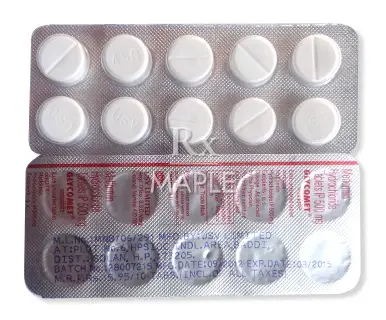
Could Metformin be the starting treatment for type 2 diabetes? Metformin is a biguanide formulated for oral administration and widely used as first-line pharmacotherapy in adults with type 2 diabetes. It reduces endogenous hepatic glucose production and improves peripheral insulin sensitivity, with additional modest effects on intestinal glucose absorption. When used as monotherapy, it typically lowers fasting plasma glucose and HbA1c without provoking hypoglycemia in most patients, and it often yields neutral or modest weight loss rather than weight gain. These characteristics help guide its selection in many treatment algorithms, alongside lifestyle interventions.
Pharmacodynamically, metformin acts primarily by inhibiting hepatic gluconeogenesis and enhancing insulin-stimulated glucose uptake in skeletal muscle. It does not stimulate insulin secretion, which accounts for the relatively low incidence of drug-induced hypoglycemia when used alone. The pharmacologic profile supports combination with other agents for comprehensive glycemic control. Extended-release formulations offer flexibility for patients with sensitivity to gastrointestinal tolerability and may improve adherence in daily practice.
In terms of pharmacokinetics, metformin is absorbed from the gastrointestinal tract and is excreted primarily by the kidneys without significant hepatic metabolism. The drug’s clearance is closely tied to renal function, making renal status a key consideration for dosing and safety. Typical starting regimens employ 500 mg once or twice daily with meals, with gradual uptitration to achieve target glycemia while trying to minimize gastrointestinal adverse effects. Dose adjustments and formulation choice (immediate- vs extended-release) are guided by renal function and patient tolerability.
The class most closely related to metformin comprises the other historical biguanides. Phenformin and buformin were associated with a substantially higher risk of lactic acidosis and were withdrawn from many markets; their use is no longer standard. These agents share the core mechanism of action—suppression of hepatic glucose production and improved insulin sensitivity—but the safety profile of metformin remains superior for routine clinical practice.
Compared with other agents that lower glucose via different pathways, metformin’s safety profile—particularly the relatively low risk of hypoglycemia in monotherapy and modest weight neutrality—offers distinct advantages in overweight patients and those with cardiovascular risk considerations. Its lack of direct insulin secretion reduces the likelihood of hypoglycemic events during routine dosing, a contrast to secretagogue classes that actively stimulate pancreatic insulin release.
However, metformin differs from drugs that act through potassium channel–dependent insulin release or PPAR-γ–mediated adipose effects, and clinicians must consider patient comorbidity, including renal function and potential lactic acidosis risk, when selecting therapy within and beyond the biguanide class.
The primary approved indication is type 2 diabetes mellitus, particularly in adults who are overweight or obese and in whom lifestyle modification alone is insufficient to achieve glycemic targets. Metformin is commonly used as first-line therapy, either as monotherapy or in combination with other antihyperglycemic agents. It may be continued as part of a multidrug regimen to achieve target HbA1c levels and to minimize glycemic variability.
Evidence supports metformin for the prevention of type 2 diabetes in high-risk individuals, as demonstrated in major prevention trials showing reduced progression from prediabetes to diabetes with metformin, especially in younger patients with higher BMI. In polycystic ovary syndrome, metformin is used to improve insulin resistance and may aid ovulatory function and metabolic parameters, often in conjunction with lifestyle measures. Pediatric use is approved for certain age groups and remains guided by regulatory labeling and clinical judgment.
Some patients without established diabetes may receive metformin for weight management or metabolic risk reduction as part of an individualized plan, whereas pregnancy management commonly favors alternative strategies with careful risk–benefit assessment and specialist consultation. Monitoring strategies include regular assessment of renal function, vitamin B12 status with long-term use, and evaluation of glycemic response to therapy.
The table below contrasts metformin with two commonly encountered alternatives in type 2 diabetes management, highlighting mechanisms and practical implications:
| Drug | Primary mechanism | Key clinical distinctions |
|---|---|---|
| Metformin | Inhibits hepatic gluconeogenesis; increases insulin sensitivity | Weight neutral or modest weight loss; low hypoglycemia risk in monotherapy; requires renal function monitoring; lactic acidosis risk in high-risk states |
| Glyburide (glibenclamide) | Sulfonylurea that stimulates pancreatic insulin secretion | Greater hypoglycemia risk, weight gain; dosing can be complicated by renal impairment; generally not preferred when obesity or hypoglycemia risk is a concern |
| Pioglitazone | Thiazolidinedione that improves insulin sensitivity in adipose and muscle | Potential edema and weight gain; risk of heart failure exacerbation, fracture risk, and hepatic considerations; slow onset of action; distinct lipid effects |
Common adverse effects with metformin are generally gastrointestinal in nature, including nausea, diarrhea, and abdominal discomfort, often mitigated by slower dose titration or extended-release formulations. A metallic taste can also occur. These effects typically diminish with continued use or dosage adjustment and are more likely during initial titration.
Serious adverse events are rare but include lactic acidosis, a condition that can occur in the setting of renal impairment, hepatic disease, hypoxic states, dehydration, or significant alcohol use. The risk increases with reduced renal function; therefore, renal function should be assessed prior to initiation and periodically thereafter. Metformin is contraindicated in patients with markedly reduced eGFR and used with caution at lower eGFR thresholds per local guidelines. In situations of radiologic contrast administration, temporary discontinuation is often advised because of transient renal function changes and lactic acidosis risk.
Long-term metformin use has been associated with vitamin B12 deficiency in some patients; periodic supplementation or monitoring of B12 status may be considered in long-standing therapy. Pregnancy and lactation decisions should be individualized, with clinicians weighing potential benefits against fetal and neonatal considerations. Overall, metformin remains a well-characterized, generally well-tolerated therapy when prescribed with appropriate monitoring and patient-specific considerations.
14–21 days. Free from C$279.97 .
5–9 days. C$42.00
−10% when paying with cryptocurrency.
−10% on all repeat orders.
All orders are packed in neutral, unbranded boxes with no product name on the outside.