📞  — free, 24/7
— free, 24/7 — free, 24/7Supplements and products designed to support muscle growth, strength and recovery: protein powders and bars, creatine, branched‑chain and essential amino acids, pre‑workout formulas, weight gainers, joint and recovery aids, electrolytes and vitamin/mineral support for training needs.
Supplements and products designed to support muscle growth, strength and recovery: protein powders and bars, creatine, branched‑chain and essential amino acids, pre‑workout formulas, weight gainers, joint and recovery aids, electrolytes and vitamin/mineral support for training needs.
The "Bodybuilding" category refers to medications and hormone-related agents that are commonly associated with muscle growth, body composition changes, recovery enhancement, and management of hormonal side effects. These products are typically distinct from general vitamins, minerals, or fitness supplements because they act on endocrine pathways or have systemic pharmacological effects. Some of the items found in this category are developed for therapeutic uses such as treating hormonal deficiencies, while others are used off-label by athletes or bodybuilders to influence performance or physique.
Common use cases seen in this area include efforts to increase lean muscle mass during bulking phases, reduce water retention and body fat during cutting phases, speed recovery between intense training sessions, and control estrogen-related effects that can arise when anabolic agents are used. Another frequent application is post-cycle therapy (PCT), which refers to attempts to restore normal hormonal balance after a course of hormone-altering substances. Additionally, clinically approved uses such as testosterone replacement therapy for diagnosed hypogonadism may appear here, though therapeutic contexts differ from performance-driven use.
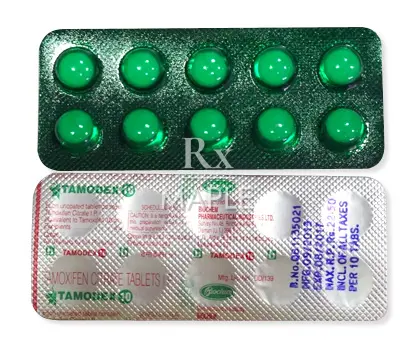
Medications in this category span several pharmacological classes. Testosterone products applied transdermally, like gels, are intended to raise circulating androgen levels and are one recognizable example. Selective estrogen receptor modulators (SERMs) — such as clomiphene and tamoxifen — are used in some bodybuilding-related regimens to influence estrogen signaling and support recovery of endogenous hormones. Aromatase inhibitors, which reduce the conversion of androgens to estrogens, are another class often encountered. There are also androgenic or androgenic-like compounds with varied oral or injectable formulations. Examples commonly referenced in this space include AndroGel (testosterone gel), Androxal and Serophene (forms of clomiphene), Nolvadex (tamoxifen), Clomid (clomiphene citrate), Arimidex or Armotraz (anastrozole), and Danocrine (danazol). These names represent different mechanisms and delivery methods rather than a single approach.
General safety considerations for hormone-active and performance-related medications are important to understand even when not providing clinical guidance. Such products can have systemic effects on cardiovascular health, liver function, lipid levels, mood, fertility, and hormone balance. Some agents are controlled substances or prescription-only in many jurisdictions, and quality, authenticity, and correct storage can influence both safety and effectiveness. Adverse effects and interactions with other medicines are possible, and monitoring of blood parameters is commonly part of clinical care when these drugs are used for medical indications.
When comparing options in this category, users often evaluate several practical factors: the mechanism of action (how the medicine works), route of administration (topical, oral, injectable), side-effect profile, reversibility of effects, and the need for laboratory monitoring. Regulatory status and legal considerations also play a major role in choices, as does the distinction between a product with an established therapeutic indication and one used off-label for physique or performance goals. Quality assurance, such as verified manufacturing standards and reliable labeling, is another frequent concern.
Familiarity with common agent names, mechanisms, and typical forms can make it easier to read product information and packaging, compare options, and understand the kinds of effects and risks associated with bodybuilding-related medicines. Because this field overlaps with medical therapies as well as performance use, regulatory classification and intended indication vary by product and country; being aware of those differences is part of evaluating items in this category.