📞  — free, 24/7
— free, 24/7 — free, 24/7Products for managing blood cholesterol levels, including prescription and over-the-counter lipid-lowering medicines, cholesterol test kits, supplements such as omega-3 and plant sterols, plus supportive items for heart-healthy lifestyle and monitoring.
Products for managing blood cholesterol levels, including prescription and over-the-counter lipid-lowering medicines, cholesterol test kits, supplements such as omega-3 and plant sterols, plus supportive items for heart-healthy lifestyle and monitoring.
Medications in the Cholesterol category are designed to influence the levels and behavior of lipids circulating in the blood, most notably low-density lipoprotein (LDL) cholesterol and triglycerides. High LDL cholesterol and certain patterns of lipid imbalance are associated with an increased risk of cardiovascular events over time, so these medicines are used to reduce that risk by lowering harmful lipids or modifying how the body processes fats. Information here focuses on commonly used drug classes and examples, presented in neutral, factual terms for consumers seeking to understand treatment options.
Typical reasons people are prescribed lipid-lowering medicines include persistently elevated LDL cholesterol despite lifestyle measures, mixed patterns of elevated triglycerides and cholesterol, and situations where reduction of future heart attack or stroke risk is a priority. Some conditions, such as inherited forms of high cholesterol or established cardiovascular disease, often prompt more intensive treatment. Lifestyle approaches like diet, exercise, and weight management are important parts of overall care, and medicines are one component of a broader strategy to manage long-term cardiovascular risk.
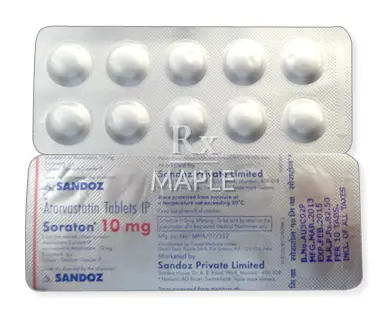
Major types of medicines in this category include statins, which reduce how the liver produces cholesterol; fibrates, which primarily lower triglycerides; and cholesterol absorption inhibitors, which reduce the amount of cholesterol taken up from the gut. Other options include bile acid sequestrants and newer injectable therapies for specific patients. Well-known examples that many people will recognize are Crestor (rosuvastatin), Lipitor (atorvastatin) and Zocor (simvastatin) among statins, Lopid (gemfibrozil) and Tricor (fenofibrate) among fibrates, and Zetia (ezetimibe) as an absorption inhibitor. Different medicines work by distinct mechanisms and may be selected based on the individual lipid profile and treatment goals.
In everyday use these medicines are usually taken orally, often as a once‑daily tablet, though dosing schedules can vary by product. Some therapies are prescribed for short-term adjustments but most lipid-lowering regimens are intended for ongoing use to maintain target cholesterol levels. Combination approaches are common when one class of medicine does not achieve the desired effect on its own. Clinical monitoring, such as periodic blood lipid measurements, is part of routine management to assess response and guide any changes in therapy.
Safety profiles differ across medicines and individual responses also vary. Reported adverse effects can include muscle-related symptoms, digestive complaints, and changes in liver test results; the frequency and severity of such effects depend on the specific drug and dose. Interactions with other medications and certain health conditions are important considerations when selecting a treatment. Product information and prescribing guidance describe contraindications, common and uncommon adverse reactions, and recommended monitoring parameters so that risks and benefits can be weighed consistently.
When choosing among options, people commonly consider the expected degree of LDL or triglyceride lowering, the pattern and likelihood of side effects, how easy the dosing schedule is to follow, and whether a generic form is available. Compatibility with other medications or ongoing health conditions and the need for laboratory monitoring are also typical decision factors. Clear information about mechanism of action, typical use scenarios, and safety considerations helps consumers compare alternatives and understand what to discuss with their healthcare and pharmacy professionals when evaluating treatment choices.