📞  — free, 24/7
— free, 24/7 — free, 24/7Care and treatment products for reproductive, menstrual and hormonal needs, including contraception, pregnancy and fertility aids, prenatal vitamins, menopause support, intimate hygiene, UTI and yeast infection remedies, sexual health supplies, and related supplements.
Care and treatment products for reproductive, menstrual and hormonal needs, including contraception, pregnancy and fertility aids, prenatal vitamins, menopause support, intimate hygiene, UTI and yeast infection remedies, sexual health supplies, and related supplements.
Women's Health covers a broad range of medicines that address reproductive, hormonal, bone and urinary aspects of female care. The category includes products intended for contraception and emergency pregnancy prevention, treatments related to fertility and menstrual disorders, hormone therapies used around menopause, as well as drugs for gynecological infections, bleeding disorders and conditions such as osteoporosis or overactive bladder. Many of these medicines are prescription-only and are selected according to the specific condition they are intended to manage.
Common uses include prevention of pregnancy through combined or progestin-only contraceptives, short‑term emergency contraception, support for ovulation and fertility, relief of menopausal symptoms with estrogen or combined regimens, and management of hormone‑sensitive conditions. Additional uses involve treating vaginal infections, reducing heavy menstrual bleeding, addressing lowered sexual desire, and protecting bone density in postmenopausal women. Some medications are also part of broader cancer care or gynecological protocols.
Medications in this category span several types: oral contraceptives and emergency pills, progestins and combined hormone products, topical and systemic estrogens, selective estrogen receptor modulators and aromatase inhibitors, fertility agents and dopaminergic medicines, antifungal agents for common infections, antifibrinolytics for heavy bleeding, bisphosphonates for bone health, and drugs for bladder control and sexual function. Formulations may be oral tablets, patches, creams, injections or implants depending on the product and indication.
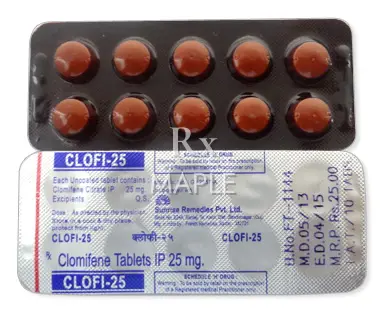
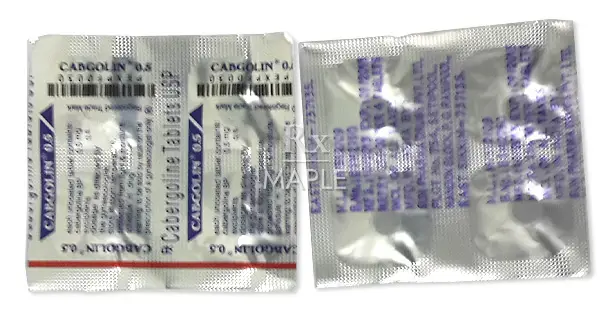
Examples commonly associated with women’s health include combined and progestin contraceptives such as levonorgestrel or ethinylestradiol‑containing pills (represented by names like Yasmin, Levlen or Mircette), emergency contraception (Plan B), hormone therapies such as Premarin, Estrace, Prometrium and Provera, and progestins like Duphaston or Aygestin. Fertility agents such as clomiphene (Clomid or Serophene) and dopaminergic drugs like Dostinex or Parlodel appear in fertility management, while Diflucan is a frequently used antifungal. Other referenced medicines cover bone health (Fosamax), bleeding control (Cyklokapron), sexual function (Addyi, flibanserin) and overactive bladder (Vesicare).
General safety considerations associated with these medicines include the potential for side effects, interactions with other drugs, and specific cautions for pregnancy and breastfeeding that vary by product. Some therapies carry contraindications or require periodic monitoring, for example through laboratory tests or bone density assessments, and certain hormonal treatments have considerations related to cardiovascular risk or hormone‑sensitive conditions. Package leaflets and regulatory information describe approved uses, contraindications and typical adverse effects for each medicine.
When choosing products in this category, users typically look at the intended purpose (contraception, symptom relief, fertility support, infection treatment or long‑term prevention), dosing form and convenience, regulatory status and whether a prescription is required, known side‑effect profiles, and how a medicine may interact with other treatments or health conditions. Other practical factors include the duration of treatment, need for monitoring, storage and administration method, and assurance of product authenticity and proper packaging when purchasing online.