📞  — free, 24/7
— free, 24/7 — free, 24/7Medications and supplies for managing gout, an inflammatory arthritis caused by uric acid crystals. Includes acute pain relief and anti-inflammatory options, urate-lowering therapies, preventive medications, joint supports, and guidance on monitoring and symptom control.
Medications and supplies for managing gout, an inflammatory arthritis caused by uric acid crystals. Includes acute pain relief and anti-inflammatory options, urate-lowering therapies, preventive medications, joint supports, and guidance on monitoring and symptom control.
Medications categorized under "Gout" are drugs used to manage gout, a type of inflammatory arthritis that arises when uric acid crystals collect in joints and surrounding tissues. Products in this area are intended either to ease painful flares when they occur or to reduce the amount of uric acid in the body to prevent future attacks. The category covers agents with different targets and mechanisms, so people find both short‑term treatments for symptoms and longer‑term therapies aimed at underlying causes.
Use cases commonly associated with these medicines fall into two broad groups: acute flare management and long‑term prevention. During an acute attack, the priority is to reduce inflammation and pain quickly; in contrast, preventive therapy focuses on lowering serum uric acid levels over time to reduce the frequency and severity of future episodes. Some patients move between these strategies depending on how often flares happen, the presence of tophi or joint damage, and other health considerations.
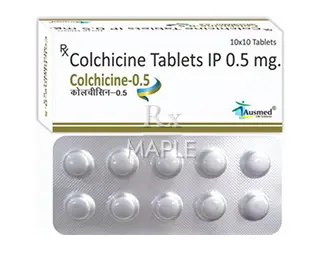
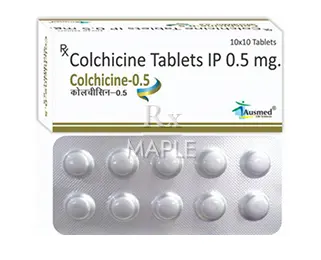
There are several distinct types of medications in this category. Anti‑inflammatory treatments such as colchicine are used to control inflammation during flares. Urate‑lowering therapies, most notably xanthine oxidase inhibitors like allopurinol (often encountered under generic or trade names), act to decrease uric acid production. Uricosuric agents such as probenecid increase renal excretion of uric acid. Other supportive measures sometimes used during flares include nonsteroidal anti‑inflammatory drugs or corticosteroids, though those are not specific to gout itself.
General safety considerations are an important part of choosing and using gout medicines. Common side effects vary by drug class and can range from gastrointestinal upset with colchicine to allergic reactions, liver function changes, or effects on blood counts with certain urate‑lowering agents. Kidney function, liver tests, and concurrent medications can affect which options are appropriate, and dose adjustments are often necessary for people with reduced kidney function. Because of these factors, many of these medicines are prescribed with monitoring recommendations.
When comparing products, users typically look at how quickly a medicine works for flares, how effective it is at lowering uric acid over the long term, dosing frequency, known side‑effect profiles, and whether the medication is suitable given other health conditions. Practical considerations such as pill size, availability in different strengths, and whether the product is available in generic form also influence choices. Some people prioritize rapid relief for acute pain, while others seek agents that reduce the need for repeated courses of flare‑treatment.
Most medications in this category are prescription products and are supplied with information about dosing, possible interactions, and recommended monitoring. Proper storage, adherence to the prescribed regimen, and awareness of potential interactions with other drugs or alcohol are typical practical concerns for users. Pharmacists and prescribers provide the necessary details about how a specific medicine is intended to be used, what to expect in terms of effects and side effects, and any monitoring that might be required during treatment.