📞  — free, 24/7
— free, 24/7 — free, 24/7Skincare products for maintaining and treating skin health: cleansers, moisturizers, sunscreens, serums, retinoids, acne treatments, anti-aging and hydrating formulations, plus topical remedies for sensitivity, pigmentation and dryness; includes information on key active ingredients.
Skincare products for maintaining and treating skin health: cleansers, moisturizers, sunscreens, serums, retinoids, acne treatments, anti-aging and hydrating formulations, plus topical remedies for sensitivity, pigmentation and dryness; includes information on key active ingredients.
Skincare medicines cover topical and systemic products used to treat a wide range of conditions that affect the skin, hair and nails. These products are formulated to reduce inflammation, control infection, regulate oil production, encourage cell turnover or modulate immune responses in the skin. In a pharmacy context the category brings together creams, gels, ointments, lotions, solutions, oral tablets and occasionally light-activated agents that are intended specifically for dermatological use. Many items are designed for short courses of treatment while others are used intermittently or as part of longer-term maintenance plans for chronic skin conditions.
Common use cases include management of acne, inflammatory conditions such as eczema and psoriasis, fungal and bacterial infections, actinic damage and pre-cancerous lesions, removal of warts and treatment of scabies or lice. Topical retinoids and related agents are often applied for acne and photoaging; topical and oral antifungals address ringworm or nail infections; and topical corticosteroids are used to control redness and itching associated with dermatitis flare-ups. Some medications are also aimed at symptom control, for example to reduce itching, lighten areas of hyperpigmentation or slow unwanted facial hair growth.
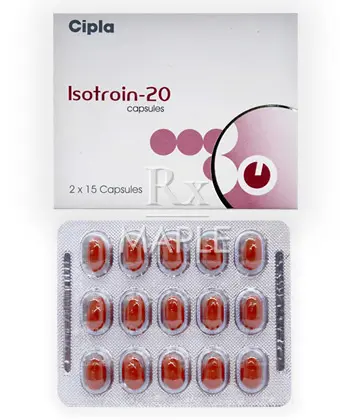
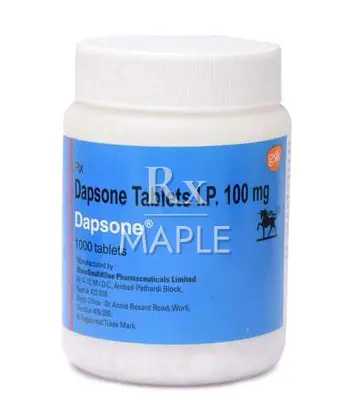
The category contains several distinct classes of medications. Retinoids such as tretinoin, adapalene or tazarotene work by encouraging skin cell turnover and are represented by formulations like tretinoin creams or gels and products similar to Differin or Tazorac. Topical antibiotics and antibacterials — including agents like dapsone preparations or fusidic-acid ointments — are used in infected or inflammatory acne. Potent and moderate topical corticosteroids such as betamethasone, clobetasol or mometasone are available for short-term control of inflammation, while nonsteroidal immunomodulators such as tacrolimus are used for sensitive areas. Other items include keratolytics and wart treatments, antifungals such as oral griseofulvin, antiparasitic agents and systemic medicines for severe disease, for example oral retinoids for resistant nodular acne.
Safety considerations vary by product type and strength. Topical agents can cause local irritation, dryness, peeling or increased sensitivity to sunlight, and higher-potency corticosteroids carry risks such as thinning of the skin when used long term. Systemic medicines have additional safety profiles; for example, oral retinoids are associated with specific, well-documented risks and monitoring requirements in many countries. Some products can interact with other medications or make the skin more reactive to ultraviolet light, and formulation differences — gel versus cream, for instance — affect how a product behaves on oily or dry skin. Regulatory status also differs: some items are available over the counter, while others require a prescription and may be dispensed under guidance from a healthcare professional.
When choosing skincare medicines, people commonly consider the condition being treated, the formulation and strength appropriate for their skin type, potential side effects and whether a product is prescription-only. Other practical factors include how quickly a product is expected to work, how often it must be applied, and cosmetic qualities such as greasiness or scent. Many shoppers also look for options that minimize irritation or are suitable for sensitive skin, and they may seek treatments that fit into their existing skincare routine. Clear product labeling, information about typical uses and regulatory status help consumers compare options and decide which type of treatment pathway — topical maintenance, short-course prescription therapy or referral for specialist care — best matches their needs.