📞  — free, 24/7
— free, 24/7 — free, 24/7Medications that kill or inhibit bacteria to treat bacterial infections. Includes systemic antibiotics (oral and injectable) and topical antibacterials such as creams, ointments, gels and eye/ear drops for skin, respiratory, urinary and eye infections. Some require prescription.
Medications that kill or inhibit bacteria to treat bacterial infections. Includes systemic antibiotics (oral and injectable) and topical antibacterials such as creams, ointments, gels and eye/ear drops for skin, respiratory, urinary and eye infections. Some require prescription.
Antibacterials are medicines designed to treat infections caused by bacteria. They work by killing bacteria or stopping their growth, and are used in a wide range of settings from minor skin infections to more serious systemic illnesses. The term covers many different chemical classes and formulations, including tablets, capsules, liquids, creams, eye drops and injections that target bacterial organisms in specific parts of the body.
Common uses for antibacterial medicines include treatment of respiratory tract infections, urinary tract infections, skin and soft tissue infections, sexually transmitted infections and certain eye infections. Some antibacterials are formulated for general systemic use, while others are made for topical or ocular application where the medicine is applied directly to the affected area. In addition, certain agents target narrower groups of bacteria while others are broader in spectrum.
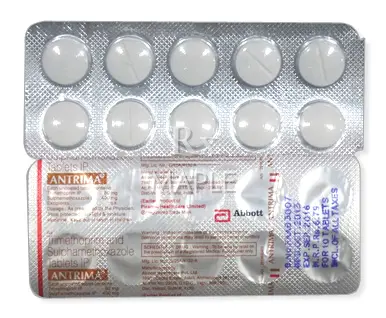
Different types of antibacterials appear in this category, reflecting several pharmacological classes. Examples that consumers may recognize include penicillin-type and related oral agents (for instance, amoxicillin), cephalosporins such as cefuroxime and cefixime, macrolide antibiotics like roxithromycin, tetracyclines such as doxycycline, and combination agents that include trimethoprim-sulfamethoxazole. There are also drugs commonly used for urinary infections, topical creams and ophthalmic drops such as ciprofloxacin or ofloxacin formulations, and products used for certain anaerobic or protozoal infections that have antibacterial activity.
Safety considerations for antibacterials focus on potential side effects, allergic reactions, and the broader concern of antibiotic resistance. Adverse effects may range from mild gastrointestinal upset or skin rash to more serious reactions in a minority of people. Some medicines interact with other commonly used drugs or are not recommended in particular life stages, and certain bacterial infections require targeted testing to identify the most effective therapy. Responsible use and appropriate selection of an antibacterial are important to maintain effectiveness and minimize risks.
When comparing products, people often look at the active ingredient, formulation and route of administration, how targeted the medicine is for a particular infection, dosing frequency, and whether a product is suitable for children, pregnancy or other special circumstances. Availability as a generic or under a commonly known name, the presence of patient information leaflets, and clear labeling of contraindications and side effects are also key factors that influence choice among different antibacterials.
Product pages typically provide details that help consumers make informed decisions: the active substance and strength, intended indications, formulation (tablet, suspension, ointment, eye drop), storage recommendations, and a summary of common precautions and side effects. Regulatory status and whether a medicine is prescription-only or available over the counter are usually noted as well. For specific questions about suitability or use in an individual case, consultation with a qualified healthcare professional is the appropriate next step.