📞  — free, 24/7
 — free, 24/7| Package | Price per Dose | Price | |
|---|---|---|---|
| 360 pills | C$1.08 | C$485.16 C$388.13 Free shipping | |
| 270 pills | C$1.25 | C$423.90 C$339.12 Free shipping | |
| 180 pills | C$1.43 | C$320.98 C$256.79 | |
| 120 pills | C$1.63 | C$245.02 C$196.02 | |
| 90 pills | C$1.80 | C$203.36 C$162.69 | |
| 60 pills | C$2.00 | C$149.45 C$119.56 | |
| 30 pills | C$2.29 | C$85.74 C$68.59 | |
| 360 pills | C$1.43 | C$644.44 C$515.55 Free shipping | |
| 270 pills | C$1.63 | C$548.87 C$439.10 Free shipping | |
| 180 pills | C$1.80 | C$406.75 C$325.40 Free shipping | |
| 120 pills | C$1.98 | C$296.48 C$237.18 | |
| 90 pills | C$2.16 | C$242.57 C$194.06 | |
| 60 pills | C$2.35 | C$176.41 C$141.13 | |
| 30 pills | C$2.69 | C$100.44 C$80.35 |
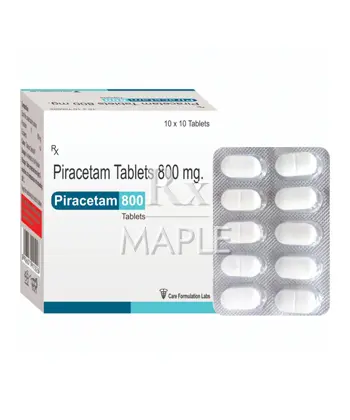
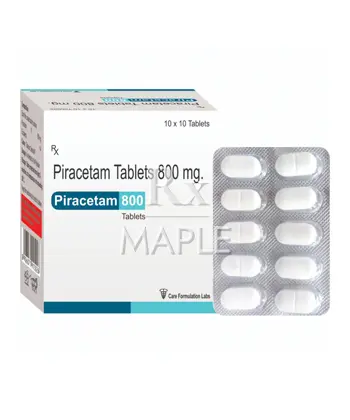
What is Piracetam, and could it help with memory concerns or cognitive decline in older adults?
Piracetam is a synthetic cognitive support agent from the racetam class. It has been studied for cognitive impairment and neuroprotection. Dosing and licensure vary by country, and trial results are mixed across conditions, with more robust evidence for some focal neurologic disorders than for general age-related decline.
Piracetam is a small bicyclic compound that crosses the blood–brain barrier. After oral intake it is absorbed quickly and cleared by the kidneys. The drug is generally well tolerated and has a wide safety margin in adults.
Pharmacologic effects are broad. It is thought to modulate membrane properties, influence neurotransmitter release, and improve neuronal energy use, all of which may support cognitive processing in brains at risk from aging or injury.
Primary indications include cognitive impairment associated with cerebrovascular disease and certain degenerative conditions. In several regions it is used as an adjunct after stroke or for vascular dementia. Myoclonus is an established indication in select markets, where benefit has been described clinically.
Secondary uses cover processing speed and memory challenges with variable evidence. In elderly patients piracetam may help support daily functioning when standard therapies are inadequate. It has also been studied for vestibular disorders and migraine prophylaxis, with approvals and guidelines differing by country.
Clinical decision making relies on local guidelines and patient factors. Benefits are typically modest and vary with condition and disease stage. Monitoring focuses on cognition, activities of daily living, tolerability, and any potential interactions with concomitant therapies.
The mechanism is not fully defined. Proposed actions include improved membrane fluidity and altered neurotransmitter release in circuits important for learning and memory.
Additional effects on microcirculation and cellular energetics may support neuronal resilience after injury or with aging. The net result is a potential stabilization of cognitive processing rather than a cure.
Safety profile is favorable for most patients. Common adverse events include headache, insomnia, dizziness, and mild anxiety; these are usually transient.
Gastrointestinal upset can occur, and dosing is adjusted for renal function. In renal impairment, lower doses or extended intervals are advised. Rare hypersensitivity reactions and bleeding risk exist mainly with concomitant antiplatelet or anticoagulant therapy; use during pregnancy and lactation is not well established.
Patients should be informed of signs of intolerance and advised to report new neurologic symptoms or unusual bleeding. Clinicians should review current medications for interactions and adjust therapy accordingly.
14–21 days. Free from C$280.05 .
5–9 days. C$42.01
−10% when paying with cryptocurrency.
−10% on all repeat orders.
All orders are packed in neutral, unbranded boxes with no product name on the outside.