📞  — free, 24/7
— free, 24/7
| Package | Price per Dose | Price | |
|---|---|---|---|
| 360 pills | C$1.23 |
C$442.04
Free shipping
|
|
| 180 pills | C$1.33 |
C$239.09
|
|
| 120 pills | C$1.45 |
C$172.78
|
|
| 90 pills | C$1.55 |
C$138.63
|
|
| 60 pills | C$1.67 |
C$100.45
|
|
| 30 pills | C$1.91 |
C$58.25
|
|
| 360 pills | C$2.11 |
C$759.51
Free shipping
|
|
| 180 pills | C$2.29 |
C$411.90
Free shipping
|
|
| 120 pills | C$2.49 |
C$299.37
Free shipping
|
|
| 90 pills | C$2.65 |
C$239.09
|
|
| 60 pills | C$2.83 |
C$170.77
|
|
| 30 pills | C$3.13 |
C$94.42
|
|
| 10 pills | C$3.52 |
C$36.15
|
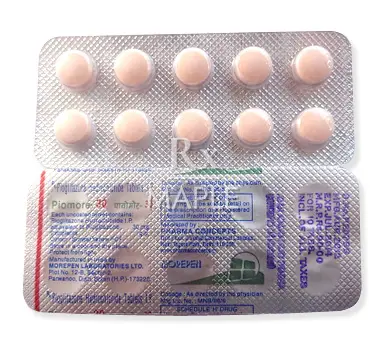
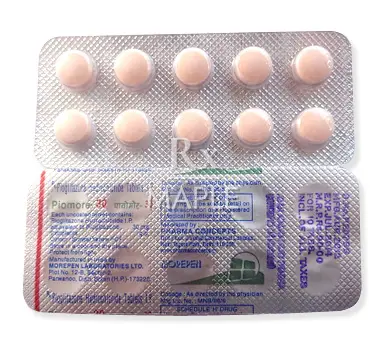
Type 2 diabetes often presents with high blood sugar, insulin resistance, fatigue, thirst, and increased urination. Pioglitazone is a prescription medicine used to improve insulin sensitivity in these patients when diet, exercise, or first‑line therapies do not reach targets. It belongs to the thiazolidinedione class and works as a PPAR‑gamma agonist, helping body tissues respond better to insulin.
Taken by mouth as a tablet, pioglitazone is used as an add‑on therapy to lower glucose. It can reduce HbA1c and fasting glucose over weeks to months, usually alongside metformin or other antidiabetic medicines. It is not a substitute for lifestyle changes. Dosing is adjusted by a clinician based on response and tolerance.
Other thiazolidinediones include rosiglitazone and troglitazone. Rosiglitazone has been linked to cardiovascular safety concerns, leading to regulatory restrictions in many markets. Troglitazone was withdrawn from the market due to serious liver toxicity. Pioglitazone has a distinct safety profile and is generally used with careful monitoring.
In terms effect, all TZDs improve insulin sensitivity, but their risk patterns differ. Pioglitazone may offer favorable effects on triglycerides and HDL in some patients, while rosiglitazone has drawn more attention for heart‑related risks. Liver monitoring is advised with all drugs in this class, especially during starting therapy or dose changes.
Pioglitazone is approved for adults with type 2 diabetes to improve glycemic control when diet and exercise plus other medicines do not achieve targets. It is used as an add‑on therapy with agents such as metformin and sulfonylureas.
It is not approved for type 1 diabetes or diabetic ketoacidosis. It may be chosen in patients who need enhanced insulin sensitivity and have acceptable liver and cardiovascular risk profiles. Dosing and duration depend on individual response and tolerability.
The table highlights a quick snapshot of three options within the same class.
| Drug | Drug class | Common use | Notable safety concerns |
|---|---|---|---|
| Pioglitazone | Thiazolidinedione (TZD) | Type 2 diabetes, add‑on therapy | Edema, weight gain, fracture risk; bladder cancer signal with long‑term use; liver monitoring |
| Rosiglitazone | TZD | Type 2 diabetes | Regulatory restrictions due to cardiovascular risk signals |
| TZD | Type 2 diabetes (historic) | Severe liver toxicity, withdrawn |
Common side effects include weight gain, fluid retention (edema), and headaches. Heart failure risk increases with some patient profiles, particularly with existing heart or fluid problems. The TZD class can alter lipid levels and may raise fracture risk with long‑term use.
All TZDs require liver monitoring and should be avoided in active liver disease. Use is generally cautioned during pregnancy and in people with significant heart failure. Discuss your full medical history with a clinician to weigh benefits against risks and to plan monitoring.
14–21 days. Free from C$287.05 .
5–9 days. C$43.06
−10% when paying with cryptocurrency.
−10% on all repeat orders.
All orders are packed in neutral, unbranded boxes with no product name on the outside.