📞  — free, 24/7
 — free, 24/7| Package | Price per Dose | Price | |
|---|---|---|---|
| 360 pills | C$0.66 | C$265.66 C$239.09 | |
| 240 pills | C$0.72 | C$191.98 C$172.78 | |
| 180 pills | C$0.74 | C$149.56 C$134.61 | |
| 120 pills | C$0.80 | C$107.14 C$96.43 | |
| 90 pills | C$0.86 | C$87.05 C$78.34 | |
| 60 pills | C$0.90 | C$60.26 C$54.23 | |
| 30 pills | C$0.94 | C$31.23 C$28.11 | |
| 360 pills | C$0.98 | C$392.92 C$353.63 Free shipping | |
| 240 pills | C$1.09 | C$290.22 C$261.20 | |
| 180 pills | C$1.19 | C$236.63 C$212.97 | |
| 120 pills | C$1.35 | C$178.59 C$160.73 | |
| 90 pills | C$1.51 | C$151.80 C$136.62 | |
| 60 pills | C$1.59 | C$104.91 C$94.42 | |
| 30 pills | C$1.71 | C$58.03 C$52.22 |
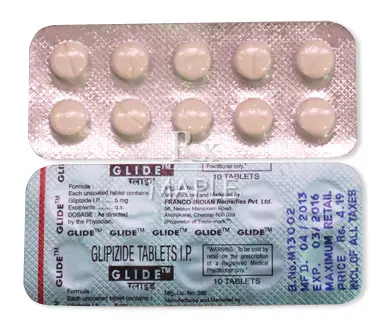
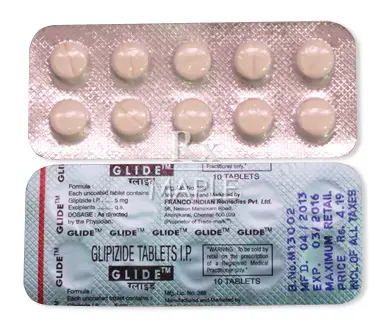
Could glipizide help control my blood sugar if I have type 2 diabetes? Glipizide is an oral sulfonylurea that stimulates the pancreas to release insulin in response to circulating glucose. It is designed to improve glycemic control in adults with type 2 diabetes when diet and exercise alone do not achieve target glucose levels. Glipizide is available as immediate‑release (IR) tablets and as extended‑release (XR) tablets, which are taken once daily with or before breakfast depending on the product. It is not indicated for type 1 diabetes or treatment of diabetic ketoacidosis, and it should be used as part of a comprehensive regimen that includes diet, exercise, and regular monitoring of blood glucose.
Administration requires consideration of meals and metabolic status to minimize hypoglycemia risk. In clinical practice, glipizide is commonly used in combination with metformin or other antihyperglycemic agents when monotherapy does not achieve adequate control. Patients should be informed about signs of low blood glucose and the need for consistent meal patterns to support safe efficacy.
The primary indication for glipizide is to improve glycemic control in adults with type 2 diabetes mellitus. It is employed as monotherapy in patients who have preserved beta‑cell function and who do not respond sufficiently to lifestyle modification alone. More commonly, glipizide is added to regimens that include metformin, thiazolidinediones, DPP‑4 inhibitors, or insulin when hyperglycemia persists despite optimized therapy. The goal is to reduce fasting and postprandial glucose elevations and to lower HbA1c toward individualized targets.
Secondary uses include its role in combination therapy for patients with suboptimal control who require complementary insulin secretagogue activity. Glipizide XR, due to its once‑daily dosing and smoother pharmacokinetic profile, may be preferred in patients who benefit from stable daytime glucose levels and improved adherence. It is not recommended for type 1 diabetes, for individuals with diabetic ketoacidosis, or during pregnancy and lactation. Caution is advised in elderly patients and those with hepatic or renal impairment, as these factors can influence exposure and hypoglycemia risk. Pediatric use is limited to specific approved settings and should be guided by a clinician.
Glipizide acts by binding to the sulfonylurea receptor (SUR1) on pancreatic beta‑cell ATP‑sensitive potassium (KATP) channels. This binding closes the channels, causing membrane depolarization and a voltage‑gated calcium influx. The rise in intracellular calcium triggers exocytosis of insulin-containing secretory granules, increasing endogenous insulin release. The effect is dependent on residual beta‑cell function and is most pronounced when glucose is present after meals.
Beyond stimulating insulin secretion, glipizide undergoes hepatic metabolism, primarily via cytochrome P450 2C9, yielding inactive metabolites excreted via urine and feces. The pharmacokinetic profile differs between IR and XR formulations: IR provides a more rapid onset with a shorter duration, while XR releases drug gradually to sustain action over a longer period. The drug’s efficacy is therefore linked to meal timing and the functional capacity of pancreatic beta cells, with hypoglycemia risk heightened in conditions of irregular intake or concomitant alcohol use or other glucose‑lowering therapies.
Common adverse effects include hypoglycemia (a potentially serious condition requiring prompt recognition and management), weight gain, nausea, and headache. Less frequent events comprise dizziness, fatigue, and GI upset. The risk of hypoglycemia is higher in the elderly, in patients with renal or hepatic impairment, in those with inconsistent meal patterns, and when combined with other antidiabetic agents or alcohol.
Contraindications include hypersensitivity to glipizide or other sulfonylureas, type 1 diabetes, and diabetic ketoacidosis. Caution is advised in hepatic or renal disease, elderly patients, and those with gastroparesis or substantial malnutrition. Drug interactions that can increase hypoglycemia risk or alter glipizide levels are notable; inhibitors of CYP2C9 (for example, fluconazole, sulfamethoxazole) can raise glipizide exposure, while inducers (such as rifampin) may reduce effect. Patients should be advised to monitor blood glucose regularly, maintain regular meals, avoid abrupt discontinuation, and seek guidance if signs of hypoglycemia occur or if planned changes in concomitant medications are anticipated.
Glipizide IR is typically started at 5 mg once daily before breakfast, with gradual titration by 2.5–5 mg every 1–2 weeks based on response and tolerability. The usual maximum daily dose for IR formulations is 40 mg. Glipizide XR is initiated at 2.5–5 mg once daily with breakfast, with careful titration up to a maximum of 20 mg per day. Dosing should be individualized according to renal function, hepatic function, age, and concomitant medications.
Oral administration guidelines emphasize taking IR tablets 30 minutes before a meal, while XR tablets should be swallowed whole with breakfast and not crushed or chewed. If a dose is missed, resume regular dosing with the next scheduled dose; do not double doses to compensate. Concomitant therapy with insulin or other secretagogues requires careful monitoring for hypoglycemia. During therapy, clinicians monitor HbA1c, fasting plasma glucose, renal and hepatic function, and patient adherence to diet and dosing. Storage should be at room temperature, protected from moisture, and out of reach of children. Counseling should address recognizing hypoglycemia symptoms, proper storage of glucose sources, and avoiding abrupt changes in meal patterns without physician guidance.
14–21 days. Free from C$287.05 .
5–9 days. C$43.06
−10% when paying with cryptocurrency.
−10% on all repeat orders.
All orders are packed in neutral, unbranded boxes with no product name on the outside.