📞  — free, 24/7
— free, 24/7 — free, 24/7| Package | Price per Dose | Price | |
|---|---|---|---|
| 360 pills | C$1.12 | C$576.26 C$403.38 Free shipping | |
| 180 pills | C$1.16 | C$296.67 C$207.67 | |
| 120 pills | C$1.22 | C$208.23 C$145.76 | |
| 90 pills | C$1.28 | C$165.44 C$115.81 | |
| 60 pills | C$1.40 | C$119.79 C$83.86 | |
| 30 pills | C$1.66 | C$71.29 C$49.91 | |
| 360 pills | C$1.08 | C$553.43 C$387.40 Free shipping | |
| 180 pills | C$1.14 | C$293.82 C$205.67 | |
| 120 pills | C$1.24 | C$211.09 C$147.76 | |
| 90 pills | C$1.32 | C$168.29 C$117.80 | |
| 60 pills | C$1.42 | C$122.65 C$85.85 | |
| 30 pills | C$1.50 | C$65.59 C$45.91 | |
| 90 pills | C$1.48 | C$191.12 C$133.78 | |
| 60 pills | C$1.54 | C$131.20 C$91.84 | |
| 30 pills | C$1.78 | C$77.00 C$53.90 | |
| 90 pills | C$2.64 | C$339.47 C$237.63 | |
| 60 pills | C$2.90 | C$248.17 C$173.72 | |
| 30 pills | C$3.73 | C$159.73 C$111.81 |
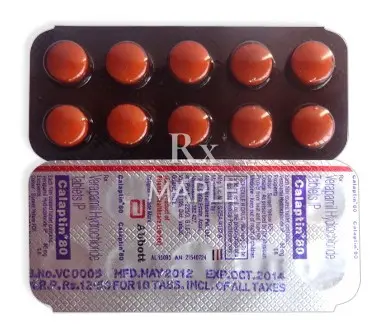
Hypertension is a major risk factor for stroke and heart attack, underscoring the importance of effective blood pressure management. Calan is the brand name for verapamil, a calcium channel blocker used to reduce blood pressure and to treat certain heart rhythm problems and chest pain due to heart disease.
Verapamil works by blocking L-type calcium channels in the heart and in the smooth muscle of blood vessels. This action relaxes blood vessels and reduces the heart’s workload, which can lower blood pressure and decrease the frequency of angina episodes. It also slows the electrical signaling through the atrioventricular (AV) node, which can help control certain abnormal heart rhythms.
Orally administered Calan comes in several formulations, including immediate-release and different extended-release forms. The available form determines how often the medicine is taken and how the body releases the active ingredient over time. Absorption can be influenced by food and other medicines, and the overall effect is monitored by a clinician.
The safety and suitability of verapamil depend on medical history and other medications. A healthcare professional will review the individual’s health status, including kidney and liver function, and assess potential interactions before initiating therapy. In Canada, prescription requirements may vary by province; local guidance should be followed.
Kinetics such as onset of action and duration differ by formulation. The medication may require regular blood pressure and heart rate checks, particularly during the initial period of therapy or when the dose is changed. If questions arise about the mechanism or expected effects, consult the official patient leaflet and a pharmacist or physician for clarification.
The information herein is intended to support safe and effective use, not to replace formal medical guidance. If uncertainty exists regarding any aspect of therapy with Calan, the official leaflet or a healthcare professional should be consulted.
Calan is primarily used to manage high blood pressure (hypertension), helping to prevent complications such as stroke and heart attack. Regular control of blood pressure reduces damage to blood vessels and organs over time.
It is also prescribed for stable chest pain caused by angina, by lowering myocardial oxygen demand and improving blood flow to the heart muscle. This can reduce the frequency and intensity of angina episodes and may improve exercise tolerance in some individuals.
Additionally, verapamil may be used in certain arrhythmias, such as specific supraventricular tachycardias, to regulate heart rate or rhythm. In these contexts, the medication can affect conduction through the AV node and slow abnormal rapid heartbeats.
Because verapamil influences heart rate and blood pressure, it is used only under medical supervision. Individual treatment plans consider the balance between expected benefits and potential risks, including any coexisting heart conditions or other diseases.
Combination therapy is common in hypertension management; Calan may be used with other antihypertensive agents or antianginal medications as directed by a clinician. The choice depends on the patient’s overall cardiovascular risk profile and treatment goals. If questions arise about the scope of therapy, a pharmacist or physician should be consulted.
For Canada, drug availability and guidelines may differ by province or territory. Always follow local prescribing information and the professional guidance provided by a clinician or pharmacist when considering therapy with Calan.
Initiation typically begins with a clinical assessment to identify potential contraindications and interactions. This step includes reviewing current medicines, supplements, and medical history to minimize adverse events.
A clinician will determine the appropriate formulation and schedule, then provide instructions tailored to the individual. The aim is to initiate therapy with a dose that achieves blood pressure reduction while minimizing side effects.
Baseline measurements are often recommended, including blood pressure and heart rate, and may be repeated after a short interval to gauge response. Such monitoring helps ensure that the chosen regimen is appropriate for steady control.
During initiation, information about signs requiring medical attention is provided. Any existing conditions that can affect circulatory or cardiac status are considered, with adjustments made if needed. The patient should be informed about when to seek advice if symptoms change or new concerns arise.
It should be noted that this medication may require a prescription depending on local rules in Canada. If access to a pharmacist or clinician is needed for questions during initiation, professional guidance should be sought promptly.
Review of current medicines is essential to identify potential interactions that could affect heart rate or blood pressure. Incomplete information may increase the risk of adverse events or reduced efficacy.
Allergic history should be clearly documented, including any prior reactions to calcium channel blockers or similar agents. A history of heart block, severe bradycardia, or low blood pressure requires careful assessment before starting therapy.
Baseline laboratory tests or cardiac evaluations may be recommended. Results help guide proper dosing and monitoring plans. If a history of liver or kidney disease exists, these conditions will influence dosing decisions and safety considerations.
The prescribed formulation and dosing schedule should be followed exactly as directed by a clinician. Do not adjust doses without professional advice, even if symptoms change.
Administration timing relative to meals is specified by the prescribing clinician. Some formulations permit administration with or without food, while others have specific timing requirements to optimize absorption.
Instructions will include what to do if a dose is missed or if a dose is accidentally taken twice. Adherence supports consistent blood pressure control and reduces risk of breakthrough symptoms.
Frequent follow-up may be arranged after initiation to monitor blood pressure, heart rate, and symptom changes. Dose adjustments can occur based on response and tolerability, with the aim of maintaining safety and effectiveness.
Patients should report symptoms such as dizziness, fainting, or swelling that emerges during the initial weeks. Early communication allows timely management and reduces the chance of complications.
Education regarding potential interactions with foods, over-the-counter medicines, and other prescriptions is reinforced. The goal is to minimize unplanned changes in therapy and maintain consistent control.
Long-term management focuses on sustained blood pressure reduction and symptom control. Regular visits with a clinician help ensure continued appropriateness of therapy as health status evolves.
Lifestyle factors such as weight management, physical activity, and sodium intake are discussed alongside pharmacologic treatment. These factors contribute to overall cardiovascular risk reduction.
Written information is provided about storage, handling, and what to do in the event of a supply interruption. Access to support from a pharmacist is encouraged for questions about ongoing use.
Consistent daily timing supports predictable drug levels and effect. The choice of formulation influences whether multiple daily doses are required or whether a once-daily extended-release form is used.
Food can influence absorption depending on the specific product; some forms are taken with food to improve tolerability, while others are independent of meals. The clinician will provide guidance tailored to the chosen formulation.
If a dose is missed, the guidance depends on the timing relative to the next dose. Generally, it is advised not to double dose; instead, resume the regular schedule and contact a clinician if several doses are missed or if symptoms arise.
In the event of a dose timing conflict, such as travel or illness, seek advice from a pharmacist or clinician for a safe plan. Sudden interruptions without medical advice are not recommended due to potential changes in blood pressure and heart rate.
A canister of practical tips includes keeping a dosing calendar, setting reminders, and carrying a current medication list when traveling. These steps support safe and consistent use in daily life.
The Canadian context is that prescription status may apply locally; consult the official guidelines and your healthcare provider for precise requirements before initiating or continuing therapy with Calan in Canada.
Most regimens allow administration with or without food, but the exact instruction depends on the product formulation. The form prescribed by a clinician determines whether meals influence absorption or tolerability.
Extended-release forms are typically taken once daily, with timing kept consistent. Immediate-release forms may require multiple daily doses, spaced to maintain stable drug levels, as directed by the clinician.
If a dose is taken at an unusual time, the plan should be discussed with a pharmacist. Adjustments should not be made without clinical guidance to avoid unnecessary fluctuations in blood pressure or heart rate.
The initial period may include gradual blood pressure decreases and potential changes in heart rate. Some individuals experience lightheadedness, fatigue, or flushing as the body adapts to the medication.
Constipation is a known effect of verapamil in some patients, particularly with certain formulations. Adequate hydration and dietary adjustments can help manage this symptom, but persistent or severe constipation should be evaluated by a clinician.
Low blood pressure symptoms such as dizziness on standing can occur; recommendations may include rising slowly from sitting or lying positions and avoiding abrupt posture changes until tolerance improves.
Regular monitoring is typically recommended to assess response and tolerability. If symptoms worsen or new concerns arise, contact a clinician promptly for assessment and possible adjustment of therapy.
Some patients notice improved symptoms after weeks of treatment, while others require longer to achieve target blood pressure or angina control. The pace of improvement varies with individual factors and concurrent therapies.
In Canada, access to follow-up care and monitoring arrangements should align with local healthcare services. Communicate any access barriers to a clinician or pharmacist if scheduling or transportation affects follow-up visits.
Immediate contact is advised for chest pain that is new or different from usual angina patterns, severe dizziness, fainting, or signs of an allergic reaction such as swelling of the face or lips or trouble breathing. Such symptoms require urgent medical evaluation.
Persistent or worsening swelling in the ankles or feet, unusual tiredness, or significant changes in pulse rate should be discussed with a clinician. These signs may indicate hemodynamic changes or interactions needing adjustment.
A healthcare professional should be notified about any new medications or supplements started during Calan therapy. Drug interactions can alter effectiveness or increase adverse effects; professional guidance is essential before adding new therapies.
Bleeding or bruising, severe headaches, or vision changes should be reported promptly. While uncommon, these symptoms may warrant investigation and possible modification of therapy.
If pregnancy is suspected, or if there is plan to breastfeed, consult a clinician before continuing Calan. Guidance will address safety and alternatives based on the clinical scenario.
Routine monitoring for blood pressure and heart rhythm will typically occur during ongoing treatment. Any unexpected changes in health status should be discussed with a clinician or pharmacist to determine next steps.
Store Calan at room temperature in a dry place, away from excessive heat and moisture. Protect the medication from direct light and keep it out of reach of children and pets.
Keep the original packaging and labeling; do not discard information leaflets. The leaflet contains specific storage instructions and warnings that are important for safe use.
Do not use expired medication or medications with damaged packaging. Contact a pharmacist for guidance on safe disposal or replacement options if the supply has expired or been compromised.
If more than one medicine is stored together, ensure that containers are clearly labeled to avoid mix-ups. In case of accidental ingestion by a child or unauthorized use, seek professional medical advice promptly.
Common side effects include dizziness, flushing, and mild swelling of the ankles or feet. These effects are often manageable and may improve as the body adjusts to therapy.
Constipation is a notable side effect for some patients and may require lifestyle adjustments or medical consultation if persistent. If discomfort is significant, inform a clinician for potential management strategies.
Fatigue or weakness can occur, especially after initiating therapy or changing the dose. If these symptoms persist or worsen, a clinician should be consulted to assess the treatment plan.
Serious but less common adverse effects include signs of heart block, such as unusually slow pulse, fainting, or very low blood pressure. Seek urgent medical help if such symptoms appear.
Allergic reactions are possible but uncommon. Symptoms such as rash, itching, swelling, or trouble breathing warrant immediate medical evaluation. Do not continue therapy if a serious reaction is suspected without medical guidance.
Interactions with other medicines or supplements can alter efficacy or safety. A comprehensive medication list should be reviewed with a clinician or pharmacist before starting Calan or adding new therapies during treatment.
Calan should not be used in individuals with certain heart rhythm disorders such as complete heart block or severe bradycardia, unless a functioning pacemaker is present and other clinical considerations are met. Documented atrioventricular (AV) block without pacing is a clear contraindication in many cases.
Low blood pressure (hypotension) or cardiogenic shock are not compatible with Calan treatment without specialized management. A clinician will evaluate risks and determine if alternative therapy is more suitable.
Known hypersensitivity to verapamil or other calcium channel blockers is a contraindication. Anaphylactic or severe hypersensitivity reactions require immediate medical attention and avoidance of the drug.
Severe liver impairment may necessitate dose adjustments or avoidance of certain formulations. A clinician will review liver function tests and overall hepatic status before and during therapy.
During pregnancy or breastfeeding, decisions about continuing Calan depend on the clinical scenario and risk–benefit assessment. Consultation with a healthcare professional is essential to determine the safest option.
Older adults may have different tolerability or risk profiles, including higher susceptibility to dizziness or edema. Dose adjustments and careful monitoring are commonly employed in this population.
This section covers practical questions that arise in daily life, traveling, and routine care. Where possible, dosing is described in general terms, with specific amounts left to the prescribing clinician and official patient information.
Questions here emphasize safe use, potential interactions, and real-world considerations such as dental visits, OTC medicines, and transitions from other therapies. If a question cannot be answered definitively, the guidance is to consult the official leaflet or a healthcare professional.
It is noted that prescription status may depend on local rules in Canada; a clinician or pharmacist can confirm whether a prescription is required in a specific jurisdiction.
Travelers should carry documentation about the medication and a recent list of medications, as well as contact information for the prescribing clinician. This supports continuity of care if medical concerns arise while away from home.
When new medicines are introduced, it is important to report any symptoms that arise promptly. Adjustments may be needed to maintain safety and effectiveness, particularly if multiple agents influence cardiovascular function.
Yes, Calan is used as part of a treatment plan to reduce high blood pressure. The decision to use Calan depends on the overall health status and other medications. Dosing and monitoring are individualized by a clinician.
If a dose is missed, the plan should be reviewed with a clinician or pharmacist. Do not double the next dose without professional guidance, as this could increase the risk of adverse effects or hypotension.
Alcohol can influence blood pressure and heart rate and may enhance certain side effects. The decision to consume alcohol should be discussed with a clinician, who can provide personalized guidance based on the complete treatment plan.
Some nonsteroidal anti-inflammatory drugs can affect blood pressure or kidney function when used long term. The compatibility of a specific NSAID with Calan should be confirmed with a clinician or pharmacist prior to use, especially for prolonged therapy.
Switching therapy requires clinical guidance to avoid overlapping effects or interactions. A clinician will determine the appropriate washout period or overlap strategy and will monitor for changes in blood pressure and heart rate.
Pregnancy and breastfeeding require careful consideration of risks and benefits. A clinician will review alternative therapies or adjustments if pregnancy occurs or is planned, and will provide appropriate counseling.
Improvements in blood pressure and angina control typically emerge over days to weeks, with the magnitude and speed varying by individual. Regular monitoring helps determine whether the treatment goal is being met.
Many extended-release formulations should not be crushed or opened, as this can alter the release profile and safety. Immediate-release forms may have different instructions; always follow the pharmacist’s guidance for a specific product.
Yes, informing dental professionals about Calan is important, particularly if planning procedures that involve local anesthetics or if there is a history of unusual bleeding or heart rhythm changes. Coordination with the clinician can prevent potential risks during dental care.
Concomitant use with other heart medications requires careful assessment for interactions that might affect heart rate, conduction, or blood pressure. A clinician will review the full medication list and adjust therapy as needed.
Severe dizziness or fainting may indicate a significant drop in blood pressure or heart rate. Seek urgent medical help to determine the cause and whether therapy needs to be adjusted or temporarily withheld.
A sudden cessation can lead to rebound effects on blood pressure or heart rhythm. If discontinuation is planned, a clinician should outline a safe taper or transition to an alternative therapy.
Provide a complete list of prescribed medicines, over-the-counter drugs, vitamins, and supplements. Include any known allergies and past reactions to calcium channel blockers. This information supports safe dispensing and monitoring for interactions.
During travel, keep Calan in its original packaging, protected from heat and moisture. Carry the medication in carry-on luggage if flying, with documentation from a clinician that confirms the indication and current dosage. Check local guidelines for storage requirements at destinations as conditions may vary.
Activity level and daily routine can influence blood pressure patterns. Any proposed dose change should be discussed with a clinician who can assess the impact on heart rate and blood pressure across different activities and times of day.
Contact the prescribing clinician or pharmacist as soon as possible to arrange a refill or an interim plan. Do not attempt to obtain medication from unverified sources, as improper dosing or counterfeit products can be dangerous.
Age-related changes can alter drug handling and tolerability. Close monitoring for dizziness, edema, or bradycardia is common in older adults, with dose adjustments as needed to maintain safety and effectiveness.
Dental procedures requiring anesthesia may involve cardiovascular monitoring. Inform the dental team about Calan so that local anesthetics or additional drugs used during procedures can be evaluated for potential interactions and safety considerations.
In emergencies, treatment decisions consider the patient’s entire medical history and current medications. Medical professionals may temporarily adjust therapy to address the acute condition while ensuring safe continuation of Calan when appropriate.
The most authoritative sources include the official patient information leaflet provided with the medicine, the prescribing clinician, and a registered pharmacist. If any inconsistency is noted, contact a healthcare professional for clarification before making changes to therapy.
14–21 days. Free from C$285.29 .
5–9 days. C$42.79
−10% when paying with cryptocurrency.
−10% on all repeat orders.
All orders are packed in neutral, unbranded boxes with no product name on the outside.