📞  — free, 24/7
— free, 24/7 — free, 24/7| Package | Price per Dose | Price | |
|---|---|---|---|
| 360 pills | C$1.24 | C$556.65 C$445.32 Free shipping | |
| 180 pills | C$1.32 | C$297.03 C$237.63 | |
| 120 pills | C$1.44 | C$214.66 C$171.72 | |
| 90 pills | C$1.50 | C$169.72 C$135.78 | |
| 60 pills | C$1.74 | C$129.78 C$103.83 | |
| 30 pills | C$2.00 | C$74.86 C$59.89 | |
| 360 pills | C$1.88 | C$843.72 C$674.98 Free shipping | |
| 180 pills | C$1.96 | C$439.32 C$351.46 Free shipping | |
| 120 pills | C$2.00 | C$299.53 C$239.62 | |
| 90 pills | C$2.10 | C$237.12 C$189.70 | |
| 60 pills | C$2.28 | C$169.72 C$135.78 | |
| 30 pills | C$2.66 | C$99.83 C$79.86 | |
| 180 pills | C$3.32 | C$746.36 C$597.09 Free shipping | |
| 120 pills | C$3.47 | C$521.70 C$417.36 Free shipping | |
| 90 pills | C$3.65 | C$411.86 C$329.49 Free shipping | |
| 60 pills | C$3.77 | C$282.06 C$225.64 |
Could stabilizing mood and preventing seizures with a single medication improve daily life? Depakote is an anticonvulsant and mood stabilizer used in several neurological and psychiatric conditions.
Depakote is the brand name for divalproex sodium, a compound that is converted to valproic acid in the body. The active metabolite valproic acid provides anticonvulsant and mood-stabilizing effects.
In Canada, Depakote products may be prescribed for epilepsy, bipolar disorder, and migraine prevention. The medication is available in several formulations, including immediate-release and extended-release forms.
The following information explains the therapeutic uses, how Depakote compares to alternatives, and important safety considerations. The content is intended for a general patient audience and reflects typical clinical reasoning; individual plans may vary. If uncertainty arises, check the official patient information and consult a healthcare professional.
Overall, Depakote may be considered when multiple seizure types or mood symptoms are present, or when alternative agents have not provided adequate control or tolerability. The choice of therapy depends on the specific condition, patient factors, and potential drug interactions.
Depakote is used for various seizure types and for mania and maintenance in bipolar disorder. It is also used as a preventive option for migraine in some patients. The broad spectrum of activity can influence prescribing decisions in complex cases.
Physicians assess age, liver function, pregnancy potential, prior responses to anticonvulsants or mood stabilizers, and the risk of drug interactions when choosing between Depakote and alternatives. Tolerability and patient preference regarding formulation (e.g., extended-release) are also considered.
In some patients, a different agent with a more favorable safety profile or fewer interactions may be selected first. If efficacy is insufficient or adverse effects arise, a switch to or addition of another therapy may be explored. The decision is guided by clinical response and safety monitoring requirements.
Medication choice is individualized and may involve consultation with a neurologist or psychiatrist. For those planning pregnancy, the risk profile of valproates is a critical factor in decision-making. Check the official leaflet and discuss options with a healthcare professional if pregnancy is a consideration.
Clinical goals include seizure control, mood stabilization, and minimization of adverse effects. Regular follow-up is recommended to assess efficacy, tolerability, and laboratory monitoring needs.
Valproate activity increases the level of gamma-aminobutyric acid (GABA), a neurotransmitter with inhibitory effects that reduce neuronal excitability. This mechanism contributes to anticonvulsant and mood-stabilizing properties. The term GABAergic effect refers to the enhancement of GABA-mediated inhibition in the brain.
Divalproex (Depakote) is a prodrug; after ingestion, it is cleaved to valproic acid, which then exerts pharmacologic effects. This conversion contributes to the pharmacokinetic profile observed with different formulations.
Additional actions include modulation of voltage-gated sodium channels and interference with enzymes involved in neurotransmitter synthesis. These actions collectively support control of seizures and mood symptoms, while differing from agents that act primarily on a single mechanism.
Compared with some related anticonvulsants, valproates may carry a higher risk of certain adverse effects, including liver-related events and hematologic changes, particularly in specific populations. Monitoring is therefore emphasized in appropriate patients. For pregnancy planning or liver disease, the risk-to-benefit balance should be discussed with a clinician.
In summary, Depakote provides a broad mechanism of action that supports use across several conditions, but the safety profile requires careful, individualized assessment and ongoing monitoring. If any concerns arise, the official patient information should be consulted along with healthcare professionals.
The comparison below highlights how Depakote relates to other commonly used agents for seizures and mood stabilization. The table uses plain language and notes the primary use, typical time to noticeable effect, and a key advantage for each therapy.
| Name | Primary use | Typical onset | Key advantage |
|---|---|---|---|
| Depakote (divalproex/valproic acid) | Seizure control, mania in bipolar disorder, migraine prevention | Seizures: days–weeks; mood stabilization: weeks; migraine: weeks | Broadest spectrum across seizures and mood disorders; useful in multiple conditions |
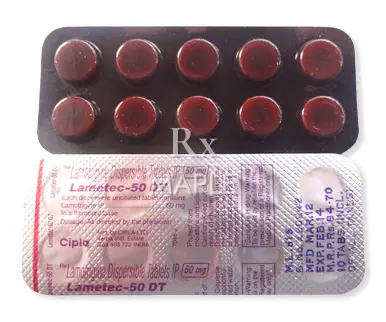
| Lamotrigine (Lamictal) | Bipolar disorder (especially bipolar depression) and focal seizures | Weeks (often 2–6 weeks for seizure control; mood effects may take longer) | Often better tolerability for some patients; less sedation and weight gain in some cases |
| Carbamazepine (Tegretol) | Focal seizures; trigeminal neuralgia; sometimes mood stabilization | Weeks | Strong efficacy for certain seizure types and neuralgias |
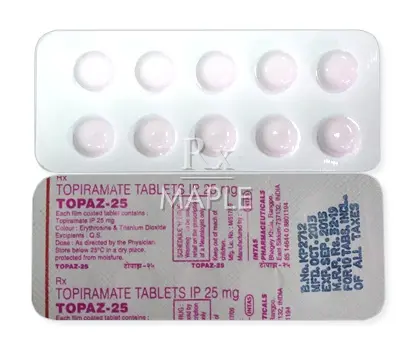
| Topiramate (Topamax) | Seizures and migraine prophylaxis | Weeks | Additional benefits for migraine and weight-neutral profile in some patients |
When selecting among these options, clinicians weigh the overall efficacy for the specific condition, the presence of comorbidities, and the potential for drug interactions. Individual responses vary and may influence the final choice. If a switch is considered, monitoring plans and gradual titration are typically required to minimize adverse effects. For detailed guidance, consult the official patient information and a healthcare professional.
Practical considerations include formulation availability, dosing flexibility, and patient preferences regarding dosing frequency. Each medication has its own safety profile and monitoring requirements, which will be explained in subsequent sections. The information provided here is not a substitute for professional medical advice. Check the official leaflet and speak with a pharmacist or physician for personalized recommendations.
Depakote formulations include tablet and extended-release (ER) forms designed to be taken by mouth. Administration may occur with or without food depending on the specific product and prescriber instructions. Do not modify the formulation without professional guidance.
Administration instructions for extended-release products typically recommend swallowing the tablet whole and avoiding crushing or chewing, as this can alter the release profile and affect absorption. If a patient misses a dose, the advised action should be discussed with a clinician, as timing can influence seizure control or mood stability.
Consistency in dosing and timing supports steady blood levels and effectiveness. If there is uncertainty about how to take the medication, or if gastrointestinal symptoms are troublesome, consult a pharmacist for guidance on administration and possible alternatives.
Important safety notes include avoiding abrupt discontinuation, which can provoke rebound seizures or mood destabilization. Any plan to stop Depakote should be completed under clinical supervision, with a gradual taper if advised by a clinician. Seek urgent medical help if severe symptoms or signs of serious adverse effects occur.
Adherence is essential; patients should use a reliable routine for taking the medication and store it according to product instructions. Report any persistent or new symptoms to a healthcare professional, especially if they involve the liver, pancreas, or blood cells. The information here is general and does not replace personalized dosing instructions from a clinician.
Common side effects may include nausea, vomiting, upset stomach, drowsiness, tremor, and weight changes. These effects are generally monitored and may lessen with time or dose adjustments. Patients should report persistent or worsening symptoms to a clinician.
Serious risks include liver injury, pancreatitis, and blood disorders, particularly in certain populations or with high-dose exposure. Signs of potential serious effects include jaundice, severe abdominal pain, vomiting, unusual bleeding, or easy bruising. Seek urgent medical help if such symptoms occur.
Contraindications include known hypersensitivity to valproates, active liver disease, and certain metabolic disorders. Pregnancy carries significant fetal risk with valproate products, and alternative treatments should be discussed with a clinician. Individuals planning pregnancy should discuss contraception, risk, and alternatives with a healthcare professional.
Additional cautions apply to specific groups, including young children, older adults, and those with immune or metabolic concerns. Regular monitoring can help detect early changes in liver function, blood cells, and metabolic status. The information provided should be used together with clinical advice from a pharmacist or physician.
In any case, if unexpected symptoms arise or if a patient experiences severe adverse effects, medical attention should be sought promptly. The content here is intended to guide safety discussions and does not replace professional assessment.
Valproates interact with several medicines, including other anticonvulsants, anticoagulants, and certain antibiotics and antidepressants. Each interaction may alter drug levels, effectiveness, or safety profiles. A clinician may adjust dosing or monitoring when such combinations are necessary.
Monitoring typically includes liver function tests before starting therapy and periodically during treatment, as well as complete blood counts and assessments of other organ systems as indicated. Some patients may require monitoring of ammonia or other metabolic markers depending on clinical context.
Co-administration with alcohol is generally discouraged due to additive effects on sedation and potential liver stress. A pharmacist should be consulted to evaluate compatibility with any new or existing medications, including over-the-counter products and supplements. If new medicines are prescribed, inform the prescriber about Depakote use to avoid adverse interactions.
Individuals with a history of liver disease, metabolic disorders, or pancreatitis require special consideration and may need alternative options. The patient information leaflet and a healthcare professional should be consulted to ensure safe use in the presence of comorbid conditions.
Pregnancy planning and contraception considerations are crucial, as valproates carry significant fetal risks. Women of childbearing potential should receive counseling about alternatives and contraception and should use the lowest effective dose if therapy is continued under specialist supervision. Early referral to a high-risk obstetric team may be advised if pregnancy occurs while taking valproate.
Liver impairment increases the risk of serious hepatotoxicity; baseline tests and periodic monitoring are typically recommended. Dose adjustments may be required and drug discontinuation considered if liver function worsens. Pediatric use requires careful dosing and monitoring due to developmental considerations and potential for side effects.
In older adults, attention to cognitive effects, balance, and polypharmacy is important. Driving or operating heavy machinery may be affected in some individuals, particularly during initial treatment or dose changes. Any safety concerns should be discussed with a clinician or pharmacist.
In Canada, access to Depakote may be subject to provincial rules regarding prescription status. If a prescription is needed, the pharmacy team can assist with appropriate documentation and safe dispensing practices. The information here is intended to support informed discussions with healthcare professionals.
The following questions address common considerations when selecting Depakote versus alternative therapies. The responses emphasize general principles and safety considerations; individual decisions require professional consultation.
In some patients, Depakote may offer faster stabilization of manic symptoms, while lamotrigine is often preferred for bipolar depression and long-term mood stabilization. The choice depends on symptom pattern, risk of side effects, and potential interactions. A clinician can guide a personalized assessment.
Effectiveness is influenced by seizure type and individual response. Some patients respond better to Depakote, others to carbamazepine. Consideration of safety profiles, liver function, and drug interactions informs the decision. Check the official leaflets for general guidance and discuss with a healthcare professional.
Both can reduce migraine frequency for different patients. Tolerability and comorbidity profiles often drive the choice. A clinician evaluates the benefit-risk balance for the individual.
Switching between brand-name and generic valproates may be appropriate in some cases if stability is maintained. Any change should be monitored for changes in seizures, mood, or tolerability, and reported to a clinician.
Generics are required to be bioequivalent to the brand. Minor differences in inactive ingredients may affect tolerability for some individuals. Discuss concerns with a pharmacist or physician if differences are noticed.
Levetiracetam has a distinct side-effect and drug-interaction profile. The choice depends on seizure type, prior therapy, comorbidities, and patient tolerance. Consideration of liver risk with valproates may also influence the decision.
Valproate carries substantial fetal risks and is generally avoided unless no alternatives exist. If pregnancy occurs or is planned, specialist advice is essential. Always consult the official leaflet and healthcare professionals for updated guidance.
Generic divalproex products are expected to meet approved standards and are typically used as alternatives to the brand. Some patients may notice differences in tolerability; discuss any concerns with a pharmacist or clinician to determine the best option.
Official patient information leaflets provided by Health Canada and the product sponsor contain detailed safety, dosing, and monitoring information. These documents should be reviewed alongside clinician guidance.
Pharmacy teams can provide counseling on administration, potential interactions, and monitoring schedules. Any questions about timing, missed doses, or changes in health status should be addressed with the pharmacist or prescriber.
Recognized health authorities and reputable medical resources offer general information about valproates and their use. In case of adverse events or concerns about safety, contact a healthcare professional promptly.
Recordkeeping for medication identity, dosing history, and laboratory results can support ongoing safe use. For patients in Canada, coordination between pharmacists, physicians, and specialists is encouraged to optimize therapy and safety. The information here is intended to support informed discussions with healthcare professionals and is not a substitute for individualized medical advice.
14–21 days. Free from C$285.29 .
5–9 days. C$42.79
−10% when paying with cryptocurrency.
−10% on all repeat orders.
All orders are packed in neutral, unbranded boxes with no product name on the outside.