📞  — free, 24/7
— free, 24/7 — free, 24/7| Package | Price per Dose | Price | |
|---|---|---|---|
| 360 pills | C$1.12 | C$537.84 C$403.38 Free shipping | |
| 270 pills | C$1.18 | C$423.34 C$317.51 Free shipping | |
| 180 pills | C$1.26 | C$300.86 C$225.64 | |
| 120 pills | C$1.40 | C$223.64 C$167.73 | |
| 90 pills | C$1.50 | C$181.04 C$135.78 | |
| 60 pills | C$1.62 | C$130.45 C$97.83 | |
| 30 pills | C$1.74 | C$69.20 C$51.90 | |
| 360 pills | C$1.54 | C$737.54 C$553.16 Free shipping | |
| 270 pills | C$1.56 | C$561.80 C$421.35 Free shipping | |
| 180 pills | C$1.58 | C$378.08 C$283.56 | |
| 120 pills | C$1.62 | C$258.26 C$193.69 | |
| 90 pills | C$1.70 | C$205.00 C$153.75 | |
| 60 pills | C$1.78 | C$141.10 C$105.82 | |
| 30 pills | C$1.90 | C$77.19 C$57.89 | |
| 360 pills | C$2.28 | C$1,091.68 C$818.76 Free shipping | |
| 180 pills | C$2.38 | C$569.79 C$427.34 Free shipping | |
| 120 pills | C$2.42 | C$386.07 C$289.55 Free shipping | |
| 90 pills | C$2.54 | C$303.52 C$227.64 | |
| 60 pills | C$2.66 | C$212.99 C$159.74 | |
| 30 pills | C$2.86 | C$114.47 C$85.85 | |
| 360 pills | C$2.52 | C$1,208.84 C$906.63 Free shipping | |
| 270 pills | C$2.58 | C$926.60 C$694.95 Free shipping | |
| 180 pills | C$2.64 | C$633.70 C$475.27 Free shipping | |
| 120 pills | C$2.76 | C$441.98 C$331.49 Free shipping | |
| 90 pills | C$2.90 | C$348.79 C$261.59 | |
| 60 pills | C$3.10 | C$247.61 C$185.70 | |
| 30 pills | C$3.85 | C$154.41 C$115.81 | |
| 270 pills | C$3.67 | C$1,323.34 C$992.50 Free shipping | |
| 180 pills | C$3.77 | C$905.29 C$678.97 Free shipping | |
| 120 pills | C$3.81 | C$609.73 C$457.30 Free shipping | |
| 90 pills | C$4.01 | C$481.92 C$361.44 Free shipping | |
| 60 pills | C$4.27 | C$340.80 C$255.60 | |
| 30 pills | C$4.67 | C$186.36 C$139.77 |
Disclaimer: This information is for general patient education and is not a substitute for medical advice from your doctor or pharmacist. Always follow your healthcare provider’s instructions and read the official product leaflet that comes with your medicine.
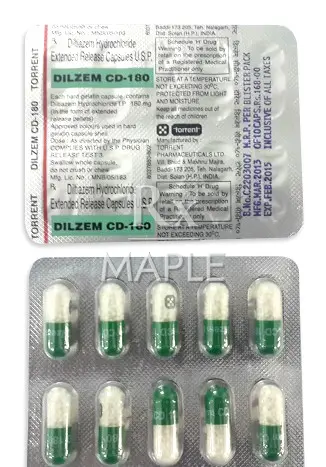
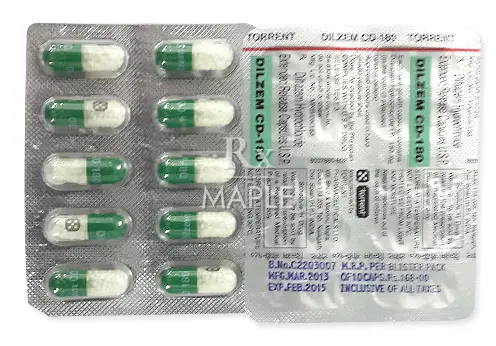
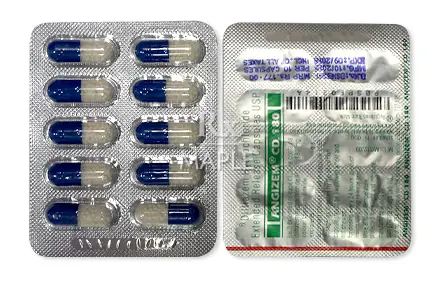
Cardizem is a brand name used for the medicine diltiazem, which belongs to a class called calcium channel blockers. It helps to relax muscles in the heart and blood vessels, which can lower blood pressure and relieve chest pain due to angina. The exact effect depends on the specific Cardizem product and formulation prescribed to you.
In Canada, Cardizem may be prescribed in different forms, including tablets or extended‑release formulations. The active ingredient remains diltiazem, but the product you receive may differ in how it releases medication over time. Your pharmacist can confirm the exact product you have been given.
Diltiazem is used to manage conditions related to the heart and blood vessels. It is not a cure for high blood pressure or angina, but it helps control symptoms and can reduce the risk of complications when used as part of a treatment plan. For some heart rhythm problems, it may be prescribed to help regulate the heart rate.
Cardizem may require a prescription depending on local rules and your health situation. If you have questions about whether Cardizem is appropriate for you, check the official leaflet or speak with your doctor or pharmacist for guidance.
Cardizem is commonly used to treat high blood pressure (hypertension). Lowering blood pressure can reduce the risk of heart attack or stroke in the long term.
It is also used to relieve chest pain caused by angina. By relaxing blood vessels, Cardizem improves blood flow to the heart and can lessen the frequency of angina episodes.
Additionally, diltiazem may be prescribed for certain heart rhythm problems (arrhythmias) to help control how fast the heart beats. The exact use depends on your medical history and other medicines you take.
Cardizem is sometimes prescribed as part of a broader treatment plan that may include lifestyle changes and other medications. Your doctor will determine the best approach for you and explain how Cardizem fits into your therapy.
Diltiazem belongs to the class of medicines that block calcium entering muscle cells in the heart and blood vessels. This reduces the force of contraction in some heart muscles and widens blood vessels (vasodilation).
By widening the vessels, Cardizem lowers blood pressure and can lessen the heart’s workload. In the heart's electrical system, it can slow conduction in certain pathways, which helps to regulate a fast heart rate in some people.
This combination of effects can help relieve chest pain and support better blood flow. It does not stop the underlying causes of heart disease, so Cardizem is usually part of a broader treatment plan.
Your doctor will explain how Cardizem works for your specific health needs and what you should monitor while taking it. If you have questions about its action, ask your pharmacist or doctor for more detail.
Take Cardizem exactly as prescribed by your doctor. Do not change the dose or stop taking it without medical advice. Sudden changes can cause serious heart problems or a sudden change in blood pressure.
Swallow tablets or capsules with a glass of water. Extended‑release forms should not be chewed, crushed, or opened unless your healthcare provider specifically instructs you to do so. The timing and whether to take with food can vary by product. Follow the instructions on the label or given by your pharmacist.
Grapefruit and grapefruit juice may interact with diltiazem and affect how well the medicine works. If you are unsure about dietary restrictions, ask your pharmacist. Avoid making changes to your diet without talking to your doctor.
If you miss a dose, take it as soon as you remember unless it is near the time for your next dose. Do not double up to make up for a forgotten dose. If you are unsure what to do after missing a dose, contact your pharmacist or doctor for guidance.
Cardizem may not be suitable for everyone. Do not take Cardizem if you have a known allergy to diltiazem or any component of the medicine. If you have had a severe reaction to this drug in the past, speak with your doctor before using it again.
Avoid Cardizem if you have severe low blood pressure or certain types of heart block without a functioning pacemaker. Your doctor will assess whether it is safe for you.
People with heart failure, especially if the heart is not pumping well, or those who have recently had a heart attack, should discuss risks and benefits with a healthcare professional. Disease conditions that affect the liver or kidneys can also influence dosing and safety.
Inform your doctor about all medicines you take, including over‑the‑counter drugs, vitamins, and herbal supplements. Some medicines can interact with Cardizem and require adjustments or alternative treatments.
Cardizem can lower blood pressure and may cause dizziness or lightheadedness, especially when you start treatment or after a dose change. Stand up slowly to reduce the risk of fainting.
The medicine can affect heart rate and rhythm. If you notice fainting, chest pain, very slow heart rate, or severe irregular heartbeats, seek urgent medical help.
Some people may experience swelling of the ankles or feet (peripheral edema), headaches, flushing, or nausea. These are common side effects and do not always require medical attention, but you should discuss persistent or worsening symptoms with your doctor.
Tell your clinician if you have kidney or liver disease, as these conditions can affect how Cardizem is processed in the body. Dosage adjustments or closer monitoring may be needed.
Like all medicines, Cardizem can cause side effects in some people. Not everyone gets them, and they are usually mild and temporary.
Common side effects include dizziness or lightheadedness, headache, flushing, and swelling of the ankles or feet. Some people may experience a slower heart rate or tiredness.
Gastrointestinal symptoms such as nausea, abdominal pain, or constipation can occur in some patients. If these persist or become bothersome, talk with your healthcare provider.
Serious side effects are less common but require immediate medical attention. Seek urgent help if you experience severe dizziness with fainting, chest pain, palpitations, shortness of breath, or signs of an allergic reaction like swelling of the face or throat, hives, or severe rash.
Tell your doctor about all medicines you take, including prescription drugs, over‑the‑counter medicines, vitamins, and herbal supplements. Cardizem can interact with other medicines, sometimes requiring changes to therapy.
Medicines that lower blood pressure or slow the heart rate can have additive effects with Cardizem. Your doctor may adjust doses or choose alternative treatments.
Some medicines can increase diltiazem levels in the blood and raise the risk of side effects. These include certain antibiotics, antifungals, and antifungal creams, as well as some medicines used for irregular heart rhythms. Always discuss all medicines with your pharmacist before starting Cardizem.
Grapefruit products may interact with diltiazem in some people. If you are unsure, ask your pharmacist about dietary restrictions.
The effects of Cardizem during pregnancy are not fully established. The decision to use Cardizem during pregnancy should involve a careful discussion of the potential benefits and risks with your doctor.
Breastfeeding while taking Cardizem is a decision that should be made with your healthcare provider. It is not known how much diltiazem passes into breast milk, so professional guidance is important.
If you are pregnant, planning a pregnancy, or breastfeeding, talk with your doctor before starting Cardizem or changing the dose.
Check the official product leaflet and consult a healthcare professional for the most accurate and personalized information.
Cardizem may begin to affect your blood pressure or heart rate within hours of starting a dose, but the full benefits often take several days to weeks as the body adjusts. Your doctor will monitor your response and adjust treatment as needed.
Keep in mind that timing can vary by product formulation and by individual response. If you have concerns about how soon you should notice a difference, ask your pharmacist or doctor.
If you miss a dose, take it as soon as you remember unless it is almost time for your next dose. Do not take extra medicine to make up for a missed dose. If you are unsure what to do, contact your pharmacist or doctor for guidance.
Do not stop Cardizem abruptly without talking to your doctor. Stopping suddenly can worsen symptoms or cause heart-related complications. If a plan to stop is needed, your doctor will guide you on a safe taper.
Cardizem is sometimes used with other blood pressure medicines, but combining them can increase the risk of low blood pressure or dizziness. Your doctor will determine whether the combination is appropriate and safe for you.
Cardizem can be prescribed for certain heart rhythm problems to help regulate the heart rate. The suitability depends on the specific rhythm issue and other health factors.
Some Cardizem formulations may be taken with food, while others should be taken on an empty stomach or as directed on the label. Follow the instructions provided with your medicine.
Alcohol can lower blood pressure and may enhance dizziness in people taking Cardizem. It is best to discuss your alcohol use with your doctor and use caution if you choose to drink.
If you experience severe dizziness, fainting, chest pain, very slow heart rate, swelling that is worsening, or signs of an allergic reaction, seek medical advice promptly.
Cardizem may be prescribed for certain pediatric conditions, but dosing and safety must be determined by a pediatric specialist. Parents should follow the doctor’s instructions exactly and report any concerns.
Grapefruit and grapefruit juice can affect how some Cardizem products are processed in the body. If you are unsure, ask your pharmacist about dietary restrictions specific to your product.
If you notice symptoms such as severe dizziness, fainting, chest pain, shortness of breath, palpitations, swelling, or severe allergic reactions, contact a doctor or seek urgent medical help. For milder side effects, discuss them with your pharmacist during follow‑up visits.
This information is intended for general patient education and does not replace medical advice. For personalized guidance, always refer to the official product leaflet and consult your doctor or pharmacist.
Your online pharmacy team can help you understand how Cardizem fits into your overall treatment plan and answer questions about product forms, storage, and refill options.
14–21 days. Free from C$285.29 .
5–9 days. C$42.79
−10% when paying with cryptocurrency.
−10% on all repeat orders.
All orders are packed in neutral, unbranded boxes with no product name on the outside.