📞  — free, 24/7
— free, 24/7 — free, 24/7| Package | Price per Dose | Price | |
|---|---|---|---|
| 360 pills | C$2.35 | C$940.68 C$846.61 Free shipping | |
| 180 pills | C$2.51 | C$500.81 C$450.73 Free shipping | |
| 120 pills | C$2.72 | C$363.63 C$327.27 Free shipping | |
| 90 pills | C$2.90 | C$289.59 C$260.63 | |
| 60 pills | C$3.16 | C$211.20 C$190.08 | |
| 30 pills | C$3.43 | C$115.39 C$103.85 | |
| 20 pills | C$3.57 | C$78.37 C$70.53 | |
| 10 pills | C$3.86 | C$43.53 C$39.18 | |
| 360 pills | C$3.06 | C$1,223.76 C$1,101.38 Free shipping | |
| 180 pills | C$3.12 | C$622.76 C$560.48 Free shipping | |
| 120 pills | C$3.27 | C$435.49 C$391.94 Free shipping | |
| 90 pills | C$3.43 | C$344.03 C$309.63 Free shipping | |
| 60 pills | C$3.68 | C$246.04 C$221.44 | |
| 30 pills | C$3.94 | C$130.63 C$117.57 | |
| 20 pills | C$4.12 | C$91.44 C$82.29 | |
| 10 pills | C$4.21 | C$47.88 C$43.10 | |
| 180 pills | C$3.41 | C$681.55 C$613.39 Free shipping | |
| 120 pills | C$3.59 | C$479.04 C$431.13 Free shipping | |
| 90 pills | C$3.86 | C$385.40 C$346.86 Free shipping | |
| 60 pills | C$4.17 | C$278.70 C$250.83 | |
| 30 pills | C$4.55 | C$152.41 C$137.17 | |
| 20 pills | C$4.76 | C$106.68 C$96.01 | |
| 10 pills | C$4.96 | C$54.42 C$48.98 |
Could a stubborn infection be holding you back from everyday life? When symptoms linger, it can feel frustrating and worrisome. You may wonder if an antibiotic like floxin could help you recover more quickly and prevent complications. This page explains what floxin is and how it fits into your treatment options.
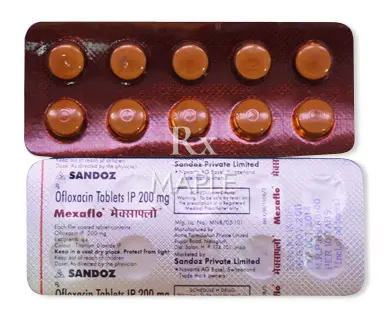
Floxin is the brand name for ofloxacin, a fluoroquinolone antibiotic. It works by primarily stopping bacteria from copying their genetic material, which helps your body clear the infection faster. It is prescribed for certain bacterial infections where the bacteria are susceptible to this medicine and where other drugs might not be the best choice.
In Canada, floxin may be used for a range of infections under a clinician’s direction. Your doctor will consider where the infection is, how severe it is, and your medical history before recommending floxin. It is important to follow the prescription and complete the full course unless your clinician tells you to stop earlier.
Floxin comes in different forms and strengths depending on the infection type. Some forms are taken by mouth, while others may be used as eye or ear drops. The way you take floxin and the length of treatment depend on the infection being treated and how you respond to therapy. Always use floxin exactly as prescribed by your physician or pharmacist.
Because infections and medicines interact with each person differently, it’s normal to have questions about timing, routines, and what to expect. If you notice new or worsening symptoms, or if you develop signs of an allergic reaction, seek medical help promptly. This information is designed to support you, not replace professional advice.
When your doctor chooses floxin, they consider where the infection is and how likely it is to respond to this drug. Some infections respond well to many antibiotics, while others require specific medicines because of the organisms involved. Your doctor weighs benefits against potential risks for you personally.
Age, pregnancy status, and kidney or liver function can influence the choice of antibiotic. People with certain medical histories may need a different drug to avoid interactions or adverse effects. Your clinician also looks at other medicines you take to reduce the chance of drug interactions.
Resistance patterns matter too. In some areas, bacteria that cause common infections have developed resistance to certain drugs. If resistance is a concern, your doctor might select floxin because it has a different mechanism of action from some older antibiotics. Your healthcare team aims for effective relief with the lowest risk to you.
In some situations, a clinician might start with floxin and switch to another medicine if symptoms don’t improve or if side effects occur. In others, a first choice may be a different antibiotic based on the infection’s site or severity. You should have a clear plan and a way to contact your provider if you have questions during treatment.
If you have a known allergy to fluoroquinolones or a history of tendon problems, your clinician will likely choose an alternative. Always tell your pharmacist about any prior reactions to antibiotics or other medicines. The most important step is open communication so your treatment can be adjusted safely if needed.
Floxin belongs to the fluoroquinolone class, which acts by inhibiting two bacterial enzymes essential for DNA replication. This double action helps stop bacteria from multiplying, aiding your immune system in clearing the infection. Because of this mechanism, floxin targets a wide range of bacteria that cause common infections.
Compared with some penicillins or cephalosporins, floxin often covers different bacteria and can be useful when those other drugs aren’t effective. It is not identical to all antibiotics, so your doctor will tailor the choice to the infection type and the organism involved. The goal is to balance rapid symptom relief with the least possible disruption to your body’s normal processes.
In practice, this means floxin may work faster for certain infections or be easier to take in a convenient form. The exact speed of improvement depends on the infection, its location, and how your body responds. Your clinician will monitor your progress and adjust treatment if needed, always prioritizing safety and effectiveness.
Fluoroquinolones like floxin are different from many other antibiotics in their broad coverage and specific action on bacterial DNA. They are powerful tools when used appropriately, but they also carry considerations such as potential side effects and restrictions in certain populations. Your pharmacist can help you understand how floxin fits with other medicines you may be taking.
| Name | Primary use | Typical onset of symptom relief | Key advantage |
|---|---|---|---|
| ofloxacin (floxin) | Broad-spectrum infections; some urinary, respiratory, skin, and ear infections | Symptoms often begin improving within a few days for many infections | Versatile option when other drugs are less effective or not suitable |
| ciprofloxacin | Urinary tract infections, certain abdominal infections, some skin and respiratory infections | Can show improvement within a few days for uncomplicated cases | Strong activity against certain Gram-negative bacteria |
| levofloxacin | Respiratory infections, sinuses, ears, urinary tract infections | Often helpful within a few days, depending on the infection | Convenient once-daily dosing for many conditions |
Each antibiotic has its own strengths and limitations. The choice depends on where the infection is, how severe it is, and which bacteria are most likely involved. Your clinician will also weigh possible interactions with anything else you take daily. If you are comparing options, discuss the expected benefits and risks for your specific situation with your pharmacist or doctor.
It is not unusual for a clinician to start with one medicine and switch to another if your response is not as expected. The goal remains clear: relieve your symptoms promptly while keeping you safe. If you’re unsure why a particular drug was chosen, ask for a plain-language explanation from your healthcare team. They want you to feel confident about your treatment plan.
Canadian guidelines emphasize that antibiotic decisions should be individualized. Your provider may consider local resistance patterns and your personal health picture. You can play an active role by reporting side effects early and sticking to follow-up appointments as scheduled.
Take floxin exactly as prescribed. If you are using a liquid or solid oral form, follow the timing recommended by your clinician. Do not double-dose to make up for a missed dose unless your pharmacist or doctor says it is appropriate for your situation.
Take floxin with a full glass of water unless your doctor instructs otherwise. Some people tolerate it better with meals, but your specific form might be different. Avoid taking with minerals like calcium or iron close to the dose if your clinician warns of reduced absorption.
Complete the full course of therapy even if you feel better. Stopping early can allow remaining bacteria to grow and may lead to a relapse or resistance. If you experience persistent symptoms after finishing the course, contact your clinician for guidance.
If you are using floxin eye or ear drops, follow the exact instructions for application. Keep the drops clean, and do not reuse bottles if the container is opened for an extended period. If you wear contact lenses or have tubes or devices in the ear or eye, tell your healthcare provider before starting treatment.
Missed doses, storage considerations, and handling of the medicine are important parts of safe use. Always carry your current medication list with you and share it with any new healthcare provider. If you have any doubts, your pharmacist is a good place to ask for practical tips and clarifications.
Like all medicines, floxin can cause side effects. Most people tolerate it well, but some may experience upset stomach, diarrhea, dizziness, or headaches. More serious reactions are rare but require immediate medical attention. If you notice severe symptoms or signs of an allergic reaction, seek emergency care.
People with certain conditions or histories may need to avoid floxin. Tell your clinician about any tendon problems, nerve issues, or severe liver or kidney disease. Fluoroquinolones can rarely affect tendons or nerves, especially in older adults or those taking certain other medicines. Pregnancy and breastfeeding involve careful consideration; your clinician will discuss the safest option for you and your baby.
Contraindications include known allergy to floxin or other fluoroquinolones. If you have a history of heart rhythm issues or take medicines that prolong the QT interval, your doctor may choose a different antibiotic. Always disclose all medicines, vitamins, and supplements you use so potential risks can be assessed.
Common side effects often resolve on their own with time or after a dose adjustment. If side effects are troublesome or persistent, contact your pharmacist or doctor for advice. Your safety is the priority, and there are alternative therapies if floxin isn’t well tolerated for you.
Some medicines can change how floxin works or raise the risk of side effects. For example, certain minerals like calcium, magnesium, aluminum, iron, or zinc can interfere with absorption when taken close to a floxin dose. Space these products apart from fluoroquinolones by a few hours unless your clinician says otherwise.
Other potential interactions include certain antidiabetes medicines, blood thinners, and medicines that affect heart rhythm. If you take steroids, the risk of tendon problems may be higher, so your doctor may choose different therapy or monitor you closely. Always share your complete list of medications with your pharmacist when starting floxin.
Alcohol is not strictly forbidden, but heavy drinking can worsen dehydration or other side effects. If you have kidney or liver problems, your clinician might adjust the plan. If you are pregnant or breastfeeding, talk to your clinician about the safest antibiotics for you and your baby.
Would you like a full medication review with your pharmacist? We can check for possible interactions with your current regimen and help you plan safely around meals and supplements. Your safety comes first, and a personalized check helps prevent surprises during treatment.
In this section you’ll find commonly asked questions about floxin and how it compares with other antibiotics. The responses are intended to be general and educational. Always rely on your clinician for advice tailored to you.
1) Can floxin be better than another antibiotic for a specific infection, like a bladder infection? Answer: It depends on the infection and the organism involved. Each antibiotic has a spectrum of bacteria it covers, and a clinician picks the one most likely to work for that patient and that site. The doctor also weighs how quickly symptoms are likely to improve and what side effects are acceptable for you.
2) Is floxin a good choice if I’m switching from another antibiotic because symptoms aren’t improving? Answer: Switching may be appropriate when a patient does not respond as expected, to avoid ongoing symptoms or complications. The decision depends on the infection’s location, the bacteria involved, and your tolerance of the initial treatment. Your pharmacist can help you understand the rationale once you know the doctor’s plan.
3) Is there a generic version of floxin, and does that change anything? Answer: Generic ofloxacin is commonly available and typically has the same effectiveness and safety profile as branded floxin. Differences, if any, are usually in packaging or price, not in how well the medicine treats infection. Always obtain medications from a reputable source and confirm the active ingredient with your pharmacist.
4) Why would a clinician choose floxin over a penicillin or another class? Answer: The choice depends on which bacteria are most likely causing the infection and how a patient’s body handles different drugs. Fluoroquinolones offer broad coverage for certain infections and may be preferred when other drugs are unlikely to work or are not suitable due to allergy or resistance concerns.
5) Can floxin be used during pregnancy or while breastfeeding? Answer: It is generally not preferred during pregnancy or while breastfeeding because of potential effects on a developing fetus or infant. If you are planning pregnancy or are already pregnant, talk with your clinician about safe alternatives for your infection.
6) Are there age limitations for floxin? Answer: Fluoroquinolones are used with caution in children and adolescents due to effects on developing cartilage in some situations. For adults, the decision depends on risk versus benefit and the infection being treated. Your clinician can explain why floxin is chosen for you if you are younger or have unique health considerations.
7) What should I do if I miss a dose? Answer: Do not double the next dose unless your clinician tells you to. If you miss a dose, take it as soon as you remember, unless it is almost time for the next dose. Do not attempt to catch up by taking extra pills, and contact your pharmacist for guidance.
8) How do I know if floxin is right for me compared with another option? Answer: A pharmacist or clinician can help compare fluoroquinolones with other classes by discussing your infection site, history of reactions, kidney or liver function, and other medicines you take. A personalized discussion helps determine the best choice for your situation.
Your pharmacist and doctor are the best sources for personalized information about floxin in Canada. The official patient information leaflet provided with the product contains detailed safety notes and usage instructions. For broad reading, look for materials from reputable health authorities and professional organizations.
Ask about floxin’s official labeling, especially if you are considering stopping early or adjusting the dose. If you have any concerns about side effects, interactions, or what to expect during treatment, bring your questions to your next pharmacy visit or medical appointment. They can help clarify and tailor advice to you.
Alongside your clinician’s guidance, consider these practical steps: keep a current list of all medications you take, report any unusual symptoms promptly, and attend follow-up checks if advised. Being informed and engaged helps maximize safety and the chance of a smooth recovery.
Healthcare resources in Canada may include patient information leaflets from Health Canada, local pharmacy counseling, and hospital or clinic education materials. If you are unsure about a statement you read, verify with a healthcare professional before making changes to your treatment plan.
14–21 days. Free from C$279.97 .
5–9 days. C$42.00
−10% when paying with cryptocurrency.
−10% on all repeat orders.
All orders are packed in neutral, unbranded boxes with no product name on the outside.