📞  — free, 24/7
— free, 24/7 — free, 24/7| Package | Price per Dose | Price | |
|---|---|---|---|
| 360 pills | C$0.66 | C$316.84 C$237.63 | |
| 270 pills | C$0.72 | C$258.26 C$193.69 | |
| 180 pills | C$0.78 | C$186.36 C$139.77 | |
| 120 pills | C$0.84 | C$133.11 C$99.83 | |
| 90 pills | C$0.86 | C$103.82 C$77.86 | |
| 60 pills | C$0.80 | C$63.88 C$47.91 | |
| 30 pills | C$0.90 | C$37.25 C$27.94 | |
| 360 pills | C$0.96 | C$460.62 C$345.47 Free shipping | |
| 180 pills | C$1.10 | C$263.58 C$197.69 | |
| 120 pills | C$1.24 | C$197.01 C$147.76 | |
| 90 pills | C$1.36 | C$162.40 C$121.80 | |
| 60 pills | C$1.38 | C$109.14 C$81.86 | |
| 30 pills | C$1.68 | C$66.54 C$49.91 | |
| 360 pills | C$1.30 | C$623.05 C$467.29 Free shipping | |
| 270 pills | C$1.38 | C$495.24 C$371.43 Free shipping | |
| 180 pills | C$1.48 | C$354.11 C$265.59 | |
| 120 pills | C$1.62 | C$258.26 C$193.69 | |
| 90 pills | C$1.66 | C$199.68 C$149.76 | |
| 60 pills | C$1.70 | C$135.77 C$101.83 | |
| 30 pills | C$1.86 | C$74.53 C$55.90 | |
| 360 pills | C$1.54 | C$737.54 C$553.16 Free shipping | |
| 180 pills | C$1.82 | C$436.66 C$327.49 Free shipping | |
| 120 pills | C$2.02 | C$322.16 C$241.62 | |
| 90 pills | C$2.26 | C$271.57 C$203.68 | |
| 60 pills | C$2.46 | C$197.01 C$147.76 | |
| 30 pills | C$2.66 | C$106.48 C$79.86 |
Disclaimer: This information is for general understanding and is not a substitute for professional medical advice. Always follow your healthcare provider’s instructions and the product label for Myambutol (ethambutol).
Myambutol is the brand name for the medicine ethambutol. In Canada, it is prescribed by a clinician as part of a treatment plan for tuberculosis (TB). Depending on local rules, a prescription may be required to obtain it from a pharmacist or online pharmacy.
Ethambutol helps interfere with the growth of bacteria that cause TB. It is not an antibiotic for everyday infections and should be used only under the supervision of a healthcare professional who is experienced in TB care.
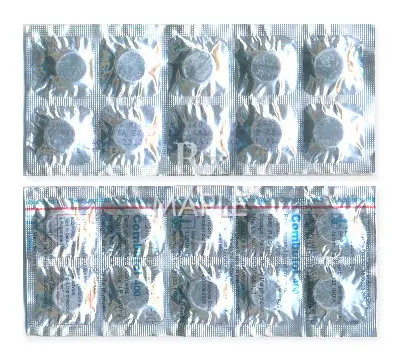
Myambutol is supplied as capsules or tablets, and the exact form you receive will be noted on your prescription label. Do not take more or less than what your doctor or pharmacist has told you. Keep all medicines out of reach of children and pets.
This medicine is intended to be used as part of a prescribed TB treatment regimen. It is not appropriate for treating illnesses other than TB unless specifically advised by your clinician. If you have questions about why this medicine was prescribed for you, ask your doctor or pharmacist for clarification.
Because TB treatment is carefully planned to prevent resistance and ensure effectiveness, do not stop taking Myambutol or alter the schedule without first speaking to your healthcare professional. If you have concerns about side effects or how it fits with your other medicines, discuss them with your pharmacist.
Myambutol is used to treat active TB when it is part of a multi-drug regimen prescribed by a clinician. It is not used alone; the full TB treatment plan typically includes several medications that work together to kill the bacteria and prevent resistance.
In some cases, a clinician may include ethambutol when there is a specific need to address certain strains of TB or to enhance the effectiveness of other TB medicines. The exact combination and duration are determined by the treating physician based on the individual’s condition and response to therapy.
The goal of therapy is to reduce or eliminate the bacteria in the body while minimizing side effects. Regular monitoring by your healthcare team is part of this process, including eye health checks and kidney function tests when applicable.
Your pharmacist can help explain how Myambutol fits with the other medicines you are taking. If you have any concerns about drug interactions or how the regimen will progress, ask for a clear explanation from your clinician or pharmacist.
Myambutol should be used exactly as prescribed for your specific TB treatment plan. If you need help understanding why it is part of your therapy, your pharmacist can provide patient-friendly explanations and resources to support adherence.
Ethambutol works by interfering with the building of the mycobacterial cell wall, which makes TB bacteria grow more slowly and become easier to target with other medicines. This mechanism helps to enhance the overall activity of the TB treatment regimen.
The drug mainly affects Mycobacterium tuberculosis, the bacteria responsible for TB. It is used in combination with other anti-TB drugs to maximize effectiveness while reducing the risk of bacterial resistance to treatment.
The exact effect of ethambutol depends on the specific TB strain, the other medicines in the regimen, and the patient’s individual factors such as kidney function and age. It is not active against viral infections or non-tuberculosis bacteria in the same way as some other antibiotics.
Understanding how Myambutol works can help you follow your treatment plan more confidently. If you have questions about how this medicine complements your other TB drugs, your clinician or pharmacist can explain how each part of the regimen contributes to the overall effect.
Because TB treatment regimens are personalized, the way ethambutol works in your case may differ from someone else. Always rely on your healthcare team for information tailored to you and consult the official leaflet for detailed, product-specific information.
Your clinician will tell you how to take Myambutol as part of your TB treatment plan. The instructions will be based on your age, body weight, kidney function, and the other medicines you are using. Do not change the dose or timing without talking to your doctor or pharmacist.
Take Myambutol exactly as prescribed, and swallow the capsule or tablet with a full glass of water. You may take it with or without food, but try to take it at the same time each day to maintain even levels of the medicine in your body. Do not chew or crush the tablets unless told otherwise by your healthcare professional.
If you miss a dose, take it as soon as you remember, unless it is almost time for your next dose. In that case, skip the missed dose and return to your regular schedule. Do not take two doses to make up for a missed one, and contact your clinician if you are unsure what to do.
Store Myambutol at room temperature, away from moisture and heat. Keep the bottle sealed and inside its original packaging, out of reach of children and pets. Do not use medicine that has passed its expiry date or that looks different from when you first received it.
Because TB treatment is complex and requires careful monitoring, you may have periodic eye tests and kidney function tests while taking ethambutol. If you notice any changes in vision or eye discomfort, contact your healthcare provider promptly for assessment. Always keep a current list of all medicines you are taking and share it with every healthcare professional you see.
Do not take ethambutol if you have a known allergy to ethambutol or any component of the medication. If you have ever had an allergic reaction to any medicine, tell your clinician before starting Myambutol.
People with significant kidney problems may require adjustments to the dosing or closer monitoring. Your doctor will determine the safest approach based on kidney function tests and overall health. Do not modify the regimen without professional guidance.
Ethambutol can affect vision, and the risk of optic neuritis exists in some people. If you have pre‑existing eye disease or any history of optic nerve problems, discuss risks with your doctor before starting therapy. In such cases, vision monitoring is especially important.
Pregnant or breastfeeding individuals should talk to their healthcare team about potential risks and benefits. Treatment decisions during pregnancy or while nursing consider the health of the mother and the baby, along with the TB treatment plan as a whole.
Also consider informing your clinician if you have ever had gout, liver disease, or nerve problems, as these conditions can influence how your TB treatment is managed. This information helps your care team tailor monitoring and dosing to you.
Ethambutol can cause changes in vision, including blurred vision or trouble distinguishing colors. Some people may notice these effects soon after starting treatment, while others may not experience symptoms until later. If you notice any visual changes, contact your clinician promptly and do not drive or operate heavy machinery if your vision is affected.
Because the drug is cleared by the kidneys, kidney function tests are often part of monitoring during therapy. If you have reduced kidney function, your doctor may adjust the plan or add more frequent eye checks to ensure safety and effectiveness.
Allergic reactions to medicines can occur, albeit rarely. Seek urgent medical help if you develop signs of a serious reaction, such as trouble breathing, swelling of the face or throat, or widespread severe rash. If you develop any persistent or severe side effects, inform your healthcare team right away.
Ethambutol is intended only for TB treatment as directed by a healthcare professional. Do not use this medicine for infections not related to TB, and avoid sharing your medication with others. Proper TB management helps reduce the risk of drug resistance and protects your health and public health.
In children, the risk of optic neuritis may be higher, so careful monitoring is particularly important in pediatric patients receiving ethambutol as part of TB therapy. If you notice any changes in a child’s vision, contact a clinician immediately.
Like all medicines, ethambutol can cause side effects in some people. Some side effects are mild and go away with time, while others require medical attention. Your healthcare team will monitor you for potential adverse effects as part of your TB treatment plan.
Common side effects may include numbness or tingling in the hands or feet, dizziness, headaches, loss of appetite, nausea, and occasional skin rashes. These effects are not unique to ethambutol and can occur with other TB medicines used in combination therapy.
Eye-related side effects are particularly important with ethambutol. Vision changes, such as blurred sight and difficulty distinguishing colors, may occur. If vision changes are noticed, seek medical advice promptly to determine whether any action is needed.
Less common or more serious side effects include persistent eye discomfort, severe allergic reactions, fever, unusual tiredness, or signs of liver problems. If you experience any of these, contact your clinician or pharmacist for evaluation and guidance.
This list does not include all possible side effects. Your doctor or pharmacist can provide a complete list tailored to your treatment. If you have questions about potential side effects, ask for patient-friendly information from your healthcare team.
Tell your healthcare provider about all medicines you take, including prescription drugs, over-the-counter medicines, vitamins, and herbal supplements. Some medicines can affect how ethambutol works or increase the chance of side effects, including eye or kidney effects.
Ethambutol is usually used with other anti-TB drugs as part of a fixed regimen. The combination can lead to interactions that require monitoring or dose adjustments, so changes to your treatment should only occur under a clinician’s guidance.
In addition, ethambutol can interact with medicines that affect the kidneys or the nervous system. If you are taking medications that alter kidney function or cause nerve-related symptoms, your clinician may need to adjust your plan or schedule more frequent tests to ensure safety.
If you start a new medicine or stop an existing one while on TB therapy, inform your pharmacist at the next refill visit or contact your clinician promptly. Do not assume that it is safe to combine therapies without professional input.
Safety in pregnancy has not been established for every patient in every situation. If you are pregnant or planning a pregnancy while taking Myambutol, discuss the potential risks and benefits with your healthcare provider. They can help weigh the TB treatment needs against any potential risks to the developing baby.
Breastfeeding while on ethambutol should be discussed with your clinician. The medicine may pass into breast milk in small amounts, and a decision will be made based on the health of the baby and the mother as well as the overall TB treatment plan.
Do not start or stop any medication because of pregnancy concerns without professional guidance. Your pharmacist can help you understand how to manage TB treatment during this time and what monitoring may be needed.
During pregnancy and lactation, monitoring for both maternal health and infant safety remains essential. Your care team will provide information tailored to your situation and ensure the treatment plan remains effective and safe.
Always inform your doctor if you become pregnant while taking Myambutol or if you plan to become pregnant during TB treatment. They can advise on the best course of action for you and your baby.
Below are common questions about Myambutol that patients often have. If your question is not listed here, ask your pharmacist or clinician for clarification. This information is for general guidance and does not replace professional medical advice.
TB treatment is usually evaluated over weeks to months, and improvements may occur gradually as the other medicines in the regimen work together with ethambutol. Do not expect a quick cure, and continue taking the full prescribed course even if you start to feel better. Your clinician will monitor your response with follow-up tests and visits.
If you miss a dose, take it as soon as you remember unless it is almost time for your next dose. If it is close to the time for the next dose, skip the missed dose and resume your regular schedule. Do not double up to make up for a missed dose. If you are unsure what to do, contact your pharmacist or clinician for guidance.
Myambutol is designed to be used with other anti-TB drugs as part of a prescribed regimen. Do not change the combination or stop any medicines without consulting your clinician. The specific drugs and schedule are chosen to maximize effectiveness and minimize resistance.
Contact a healthcare professional if you experience persistent vision changes, severe eye pain, unusual bleeding or bruising, severe allergic reactions, symptoms of liver or kidney problems, or any new or worsening symptoms. Also reach out if you are pregnant or planning pregnancy and have questions about the treatment plan.
Vision changes such as blurred sight or color vision difficulties can affect driving or operating machinery. If you notice such changes, avoid activities that require sharp vision and discuss with your clinician before resuming them.
Moderation is generally advised when taking TB medicines, and heavy alcohol use can increase side effects or interfere with liver function in some regimens. Ask your clinician about any specific restrictions related to your therapy.
Ethambutol can be used in children as part of TB treatment, but dosing and monitoring are tailored to the child’s age and weight. Vision monitoring is important in pediatric patients, so caregivers should report any signs of vision problems promptly.
Inform your clinician about all medicines, vitamins, and herbal supplements you take. Some substances can influence how ethambutol works or increase the risk of side effects, especially those affecting kidney or nerve function. Do not start new supplements without medical advice.
TB treatment often continues with a multi-drug regimen for a defined period, followed by doctor’s assessment to ensure the infection is fully resolved. Do not assume the infection is gone solely because you feel well. Attendance at follow-up appointments is important for confirming cure and preventing relapse.
Keep Myambutol in its original packaging, stored at room temperature away from moisture and heat. Do not use medications that have changed appearance or that are past their expiry date. If you have questions about storage, your pharmacist can provide clear instructions.
Official patient information leaflets provided by the manufacturer, including the Medicine Information sheet for Myambutol (ethambutol), are a primary reference for consumer details. Your pharmacist can help explain these materials in plain terms and answer questions about your specific product.
Health Canada or provincial health authorities’ guidance on tuberculosis management and drug safety resources informs general expectations for monitoring and safety while on ethambutol-containing regimens. Healthcare professionals use these resources to individualize care.
Public health and tuberculosis treatment guidelines from Canadian TB programs support clinicians in choosing appropriate combination therapies and in scheduling regular tests to monitor vision and kidney function during ethambutol therapy. For patient-facing information, consult your healthcare team and the official product label.
Always check the official product leaflet and your pharmacy’s patient information resources for the most accurate, up-to-date, and location-specific guidance. If you have questions about how this medicine fits with your overall TB treatment plan, ask your pharmacist for a personalized explanation.
14–21 days. Free from C$285.29 .
5–9 days. C$42.79
−10% when paying with cryptocurrency.
−10% on all repeat orders.
All orders are packed in neutral, unbranded boxes with no product name on the outside.