📞  — free, 24/7
— free, 24/7 — free, 24/7| Package | Price per Dose | Price | |
|---|---|---|---|
| 270 cap | C$0.84 | C$225.64 | |
| 180 cap | C$0.98 | C$175.72 | |
| 120 cap | C$1.10 | C$131.78 | |
| 90 cap | C$1.32 | C$117.80 | |
| 60 cap | C$1.40 | C$83.86 | |
| 40 cap | C$1.60 | C$63.88 | |
| 20 cap | C$2.00 | C$39.92 | |
| 180 cap | C$1.52 | C$273.57 | |
| 120 cap | C$1.80 | C$215.66 | |
| 90 cap | C$2.00 | C$179.71 | |
| 60 cap | C$2.20 | C$131.78 | |
| 30 cap | C$2.46 | C$73.87 | |
| 10 cap | C$2.60 | C$25.94 | |
| 270 pills | C$3.00 | C$808.78 Free shipping | |
| 180 pills | C$3.20 | C$575.12 Free shipping | |
| 120 pills | C$3.59 | C$431.34 Free shipping | |
| 90 pills | C$3.99 | C$359.45 Free shipping | |
| 60 pills | C$4.99 | C$299.53 Free shipping | |
| 30 pills | C$5.59 | C$167.73 | |
| 10 pills | C$5.99 | C$59.89 | |
| 270 pills | C$3.59 | C$970.54 Free shipping | |
| 180 pills | C$4.79 | C$862.70 Free shipping | |
| 120 pills | C$6.59 | C$790.80 Free shipping | |
| 90 pills | C$6.99 | C$629.04 Free shipping | |
| 60 pills | C$7.99 | C$479.27 Free shipping | |
| 30 pills | C$8.99 | C$269.58 | |
| 20 pills | C$9.99 | C$199.68 | |
| 10 pills | C$10.98 | C$109.82 |
Disclaimer: This information is for general educational purposes and does not replace professional medical advice. Always consult a healthcare professional for personalised treatment decisions.
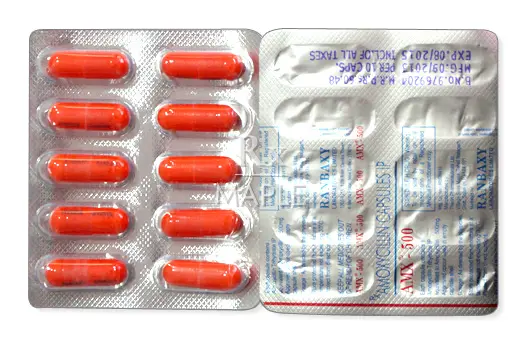
Amoxil is a brand name for amoxicillin, an antibiotic in the penicillin family. It works by stopping the growth of bacteria that cause infections.
In Canada, antibiotics may require a prescription depending on local rules. A healthcare professional will determine if Amoxil is appropriate for a given infection.
This medicine does not treat viral infections such as the common cold or flu. Do not use Amoxil for viral illnesses unless advised by a doctor or pharmacist.
Always take Amoxil exactly as prescribed. Do not share your medicine with others, and store it as instructed on the product label. If you have any signs of an allergy, seek medical help promptly.
Amoxil is used to treat a variety of bacterial infections as determined by a healthcare professional. The choice to use Amoxil depends on the type of infection and local guidelines.
Common indications include infections of the ear, nose and throat, sinuses, lungs, skin, urinary tract, and certain dental infections. Your clinician will decide if Amoxil is appropriate for your infection.
In some situations Amoxil may be used to prevent infection around the time of certain procedures, or as part of a treatment plan for specific conditions. Always follow the instructions given by your clinician or pharmacist.
Not every infection will respond to Amoxil. If you are unsure why Amoxil was prescribed, ask your clinician to explain how it helps with your infection and what to expect.
Amoxil contains amoxicillin, which belongs to the penicillin class of antibiotics. It works by inhibiting the way bacteria build their cell walls, causing the bacteria to break down and be eliminated by the body.
The effect is limited to bacteria; Amoxil does not treat viral infections. Taking antibiotics when they are not needed can contribute to antibiotic resistance and other side effects.
Because bacteria can adapt, it is important to use Amoxil exactly as prescribed and to complete the full course unless advised otherwise by a clinician. If symptoms persist or worsen after a few days, contact a healthcare professional.
If you have a history of allergy to penicillin or other beta-lactam antibiotics, inform your healthcare professional before starting Amoxil, as this may affect whether this medicine is appropriate for you.
Take Amoxil exactly as prescribed by your clinician. Do not change the dose or frequency without medical guidance.
Take the medicine with a full glass of water. Some formulations can be taken with food to help minimise stomach upset; follow the product label or your pharmacist’s instructions.
If you miss a dose, take it as soon as you remember unless it is almost time for your next dose. If it is nearly time for the next dose, skip the missed dose and resume your regular schedule. Do not double up to make up for a missed dose.
Finish the entire course even if you start to feel better. Do not stop early unless advised by a clinician. Keep all follow-up appointments to monitor progress and any side effects.
Tell your clinician if you have ever had an allergic reaction to penicillin or other beta-lactam antibiotics. A history of hives, swelling, or trouble breathing after taking similar medicines requires caution.
If you have a severe allergy to Amoxil or to other penicillins, this medicine may not be suitable. Your clinician can suggest alternatives if needed.
Discuss any kidney or liver problems with your healthcare professional, as dose adjustments or monitoring may be required. Pregnancy, planning pregnancy, or breastfeeding should be discussed with a clinician to weigh benefits and risks.
Provide a full list of all medicines you take, including over‑the‑counter products and supplements, to help avoid interactions. Some conditions or medicines may change how Amoxil works or increase the risk of side effects.
Allergic reactions to antibiotics can be serious. Seek urgent medical help if you notice wheezing, swelling of the lips or tongue, severe rash, or trouble breathing after taking Amoxil.
Antibiotics like Amoxil can occasionally cause diarrhea that is watery or bloody. If you develop severe or persistent diarrhea, contact a healthcare professional promptly as this may require assessment for a more serious infection.
Prolonged use of antibiotics may promote yeast infections or oral thrush. If you notice unusual itching, discharge, or mouth ulcers, tell your clinician.
Amoxil can interact with other medicines. Inform your pharmacist about all medications you take, including anticoagulants, certain gout medicines, and hormonal contraceptives, as advised by your clinician. In some cases, your clinician may adjust treatment to reduce risks.
Many people tolerate Amoxil well, but some experience side effects. Most are mild and disappear after a short time.
If you have persistent or severe symptoms, or if you develop severe allergic reactions, contact a healthcare professional promptly. Seek urgent medical help if you have trouble breathing, swelling of the face or throat, or a severe rash.
Avoid relying on self‑diagnosis; if symptoms worsen or new symptoms appear, a clinician can determine whether the medicine should continue or be changed. Always report unexpected side effects to a pharmacist or doctor.
Keep in mind that this is not a complete list of possible side effects. If you have concerns about specific symptoms, discuss them with a healthcare professional.
Amoxil can interact with certain medicines, affecting how well either medicine works or increasing the risk of adverse effects. Always tell your clinician about all medicines you take.
Common interaction concerns include blood thinners (such as warfarin), certain gout medications, and other antibiotics used at the same time. Some medicines may alter the absorption of Amoxil or vice versa.
Hormonal contraceptives may be less effective while taking antibiotics like Amoxil. Use an additional non-hormonal method of contraception if advised by your clinician.
If you are taking any of these or other medicines, your clinician may adjust the treatment plan. Do not start or stop other medicines without medical guidance.
Amoxil is sometimes prescribed during pregnancy when the potential benefits justify the potential risks. The decision depends on the infection being treated and alternative options.
Breastfeeding while on Amoxil is generally considered possible because only small amounts pass into breast milk, but discuss with a healthcare professional before breastfeeding while taking this medicine.
If you are planning to become pregnant, or if you are pregnant or breastfeeding, speak with a clinician or pharmacist about the risks and benefits of continuing Amoxil.
Never start or stop antibiotics during pregnancy or breastfeeding without professional advice. Your clinician can help determine the most appropriate treatment for you and your baby.
Some infections may begin to improve within a few days, but this varies. If there is no improvement after 2–3 days, contact your clinician for guidance. Do not extend or change the course on your own.
Take the missed dose as soon as you remember, unless it is almost time for your next dose. If it is nearly time for your next dose, skip the missed one and return to your regular schedule. Do not double up to make up for a missed dose.
Moderate alcohol use is not typically listed as a direct interaction, but alcohol can increase stomach upset or dizziness for some people. If you plan to drink, consider limiting alcohol and monitor how you feel. If you have concerns, ask your pharmacist.
Some medicines may interact with Amoxil. Always tell your clinician about all medicines you take, including vitamins and supplements. Do not start new medicines without professional advice.
Yes. Finishing the full course helps ensure the infection is cleared and reduces the risk of resistance. Do not stop early unless advised by a clinician.
Amoxil is used in some pediatric cases when prescribed by a clinician. Dosing for children depends on age, weight, and the infection being treated. Parents should follow the clinician’s directions closely.
A penicillin allergy means Amoxil should generally be avoided. An alternative antibiotic can be discussed with a clinician. Seek immediate medical advice if an allergic reaction occurs.
Warning signs include trouble breathing, swelling of the face or throat, hives, or a severe skin rash. If these occur, seek urgent medical help right away.
Antibiotics can disrupt normal gut flora and lead to diarrheal symptoms or a yeast infection. If diarrhea becomes persistent or severe, contact a clinician promptly. Do not use other medicines to treat these symptoms without guidance.
Store at room temperature away from moisture and heat, in accordance with the product label. Do not use if the packaging is damaged or the expiry date has passed. Ask your pharmacist if you have storage questions.
Amoxil may be prescribed during pregnancy when the benefits outweigh risks. Discuss your situation with a clinician to determine the best option for you and your baby. Do not adjust treatment without professional advice.
This information is designed to be a general reference. It is not a substitute for medical advice from a clinician or pharmacist. For the most accurate and up-to-date guidance, consult the official patient leaflet that accompanies your Amoxil product and speak with a healthcare professional.
If you have any questions about Amoxil, its uses, potential interactions, or how it applies to your personal health situation, a pharmacist can explain details specific to your circumstances. Always use medications as directed by your healthcare professional.
14–21 days. Free from C$285.29 .
5–9 days. C$42.79
−10% when paying with cryptocurrency.
−10% on all repeat orders.
All orders are packed in neutral, unbranded boxes with no product name on the outside.