📞  — free, 24/7
— free, 24/7 — free, 24/7| Package | Price per Dose | Price | |
|---|---|---|---|
| 6 inhalers | C$47.93 | C$287.55 Free shipping | |
| 3 inhalers | C$51.92 | C$155.75 | |
| inhaler | C$57.89 | C$57.89 |
Disclaimer: This page provides general information about Ventolin inhaler. It is not a substitute for medical advice from your healthcare provider. Always read the product leaflet and follow your clinician’s instructions.
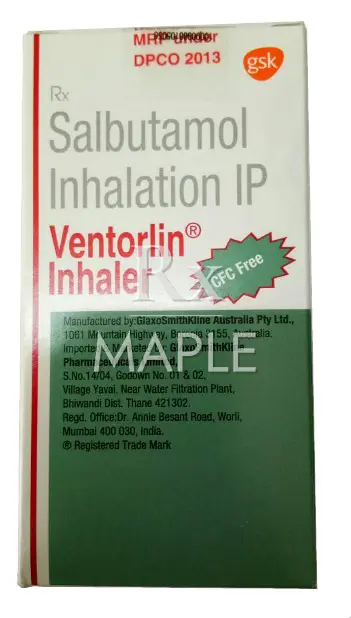
Ventolin inhaler is a fast-acting inhaled medicine that contains salbutamol (also called albuterol in some places). It helps relax the muscles around the airways, making it easier to breathe during flare-ups of asthma or other reversible breathing problems. It is used for quick relief of symptoms like shortness of breath, wheeze, and chest tightness.
This inhaler is a reliever medicine, intended to be used when symptoms occur rather than on a regular, daily schedule. It is not a long-term control medicine for preventing symptoms over weeks or months. Your doctor may tailor how you use it based on your condition and age.
In Canada, Ventolin inhaler may require a prescription depending on provincial rules and your pharmacist’s policy. Check with your healthcare provider or pharmacist if you are unsure about how you will obtain this medicine. Always use Ventolin as directed on the label or in the leaflet that comes with the inhaler.
Keep the inhaler out of reach of young children and store it at room temperature away from heat or direct sunlight. Do not puncture or burn the canister, and never expose it to temperatures that could cause the contents to leak or fail. Read the patient information leaflet for safety and disposal instructions.
Ventolin inhalers are intended for inhalation into the lungs. They should not be used for conditions other than those described by your clinician. If you have questions about the medicine, ask your pharmacist or doctor for clarification.
Ventolin inhaler is used to relieve symptoms of asthma and other reversible obstructive airway diseases by relaxing the smooth muscles of the airways. This can open the airways and improve breathing during a flare-up or when symptoms develop suddenly.
It can help with shortness of breath, wheeze, coughing, and chest tightness that occur with asthma or similar conditions. It is typically used as needed rather than on a fixed schedule.
Some people use Ventolin inhaler before exercise to help prevent exercise-induced bronchoconstriction, if their clinician has advised this use. The decision to use it before exercise should be made by a healthcare professional based on your history and needs.
Ventolin is not a daily preventive medicine. For ongoing control of asthma or COPD, your clinician may prescribe additional long-term medications. Always follow your healthcare professional’s plan for overall disease management.
If you have symptoms that are not well controlled or if you notice you need to use Ventolin frequently, discuss this with your doctor or pharmacist. A change in treatment might be needed to manage your condition effectively.
The active ingredient in Ventolin inhaler is a beta-2 agonist that acts on receptors in the muscle lining of the airways. When inhaled, it relaxes these smooth muscles, leading to wider airways and easier breathing.
Relieving bronchospasm with this inhaler typically occurs within minutes after inhalation. The effect is rapid and helps to restore airflow during an acute episode of breathlessness or wheeze.
Because Ventolin provides quick relief, it is important to remember that it does not treat the underlying inflammation of asthma. For long-term control, your doctor may recommend daily controller medicines such as inhaled corticosteroids in addition to a reliever inhaler.
When you use Ventolin along with other prescribed medicines, your clinician may tailor a plan that includes both reliever and controller therapies. Always follow the plan provided by your healthcare professional and read the accompanying leaflet for specific instructions.
If you have concerns about how Ventolin works for you, or if you have questions about other medicines you take, talk to a healthcare professional and review the product leaflet for detailed information.
Before first use or after a long break, you may need to prime the inhaler according to the product leaflet. Your pharmacist can show you how to do this correctly. If a spacer is recommended by your clinician, attach it according to the spacer’s instructions.
Step-by-step technique generally involves exhaling fully, placing the mouthpiece between the lips, and starting to inhale slowly while pressing the canister once to release a puff. Continue to inhale slowly and then hold your breath for about 5–10 seconds if comfortable. Exhale slowly. If a second puff is advised, wait about 30 seconds to 1 minute before repeating, unless your clinician has told you otherwise.
When using Ventolin with a spacer, follow the spacer manufacturer’s instructions and breathe in slowly through the spacer. If you are also using a corticosteroid inhaler, you may be instructed to rinse your mouth after use to reduce the risk of oral thrush or other irritation; follow the doctor’s or pharmacist’s guidance.
After finishing, clean the inhaler mouthpiece as recommended by the manufacturer and replace the cap. Keep the inhaler away from moisture and extreme heat, and never attempt to modify or repair the device yourself. If the inhaler stops delivering a spray or you notice a change in taste or effect, contact your pharmacist or doctor for advice.
Ventolin is for inhalation only. Do not swallow or inhale through another route. If you have trouble using the inhaler correctly, ask a healthcare professional to demonstrate the technique again and make sure you are using the product as directed.
Do not use Ventolin inhaler if you have a known allergy to salbutamol or any other ingredient in the inhaler. An allergic reaction can cause swelling of the face, lips, tongue, or throat, or severe skin reactions.
Explain to your clinician if you have heart problems, such as a fast, irregular, or very high heartbeat, high blood pressure, or a history of low potassium levels. In some cases, Ventolin can affect the heart rate or rhythm, especially at higher doses.
If you have severe, poorly controlled: heart disease, high blood pressure, or certain hormone conditions, use may require close medical supervision. Your doctor will determine whether Ventolin is appropriate for you.
Children, older adults, or people with chronic illnesses should use Ventolin only under medical supervision. The correct dose and frequency may differ by age and overall health. If you have any doubt about suitability, consult a healthcare professional.
Ventolin should be used exactly as prescribed. Do not change your dose or frequency without talking to your clinician. Overuse may lead to reduced effectiveness or unexpected side effects.
Keep your inhaler clean and do not share it with others. Sharing inhalers can spread infections and may introduce contaminants into the device.
If you notice chest pain, fainting, severe tremor, chest tightness that worsens, or a rapid or irregular heartbeat after using Ventolin, seek urgent medical help. These could be signs of a serious reaction or a need for a different treatment plan.
If you are pregnant, planning pregnancy, or breastfeeding, discuss Ventolin use with your healthcare professional. Not every case is the same, and your clinician will weigh benefits and risks for you and your baby.
Ventolin is a reliever and does not replace ongoing treatment for asthma or COPD. If symptoms persist or worsen, or if you need to use Ventolin more often than your clinician advised, contact a healthcare professional promptly to review your management plan.
Common side effects may include tremor or shakiness, nervousness, headache, or a dry mouth or throat. These effects are usually mild and transient.
Other possible effects include a fast heartbeat, palpitations, or feeling anxious or restless. If these symptoms are persistent or uncomfortable, talk to a healthcare professional.
Some people may notice coughing or irritation in the throat after inhaling. Rinsing the mouth after use may help if you also use a corticosteroid inhaler in the same treatment session. Severe allergic reactions are rare but require urgent medical attention.
Less common side effects can include dizziness, sweating, or nausea. If you experience any unusual symptoms after using Ventolin, inform your doctor or pharmacist.
Serious side effects are rare but can occur. Seek urgent medical help if you experience severe chest pain, a sudden allergy-like reaction, severe breathing difficulties after use, or fainting. Do not assume these symptoms are part of a typical reaction to the medicine.
Tell your healthcare provider about all medicines you take, including prescription drugs, over-the-counter products, and herbal or natural remedies. Some medicines can interact with Ventolin and affect how well it works.
Beta-blockers (used for heart problems or high blood pressure) may reduce the effectiveness of Ventolin. If you are taking a beta-blocker, your clinician will consider this when planning your treatment.
Monoamine oxidase inhibitors or other medicines that can raise blood pressure or heart rate may interact with Ventolin. Your clinician can assess whether these interactions apply to you.
Tell your doctor about inhaled or oral medicines you use regularly, including any that you use for asthma control. Some inhaled corticosteroids or other asthma medicines may require adjustments to your overall treatment plan. Always follow the dosing instructions you are given by your healthcare professional.
If you are pregnant, planning pregnancy, or breastfeeding, discuss potential interactions with your clinician. Do not start or stop any medicine without professional advice.
If you are pregnant or planning to become pregnant, talk with your doctor about the benefits and risks of using Ventolin. The decision will depend on your health needs and the potential impact on the baby.
Inhaled salbutamol has been used during pregnancy when the potential benefits to the mother justify any risks to the developing baby. Your clinician will monitor you closely and adjust your treatment as needed.
Breastfeeding: Salbutamol passes into breast milk in small amounts. Discuss with your healthcare provider whether to continue breastfeeding while using Ventolin and whether any precautions are needed for your baby.
Always rely on the guidance of your healthcare professional for advice about use during pregnancy or while breastfeeding. If new health concerns arise during this time, contact your clinician promptly.
Most people notice relief within minutes after inhalation. If symptoms persist or worsen, seek medical advice promptly.
Effect is typically felt for several hours, but duration varies between individuals and conditions. If symptoms recur often, discuss management with a clinician.
In some cases, yes. Use only as advised by your clinician. Ventolin can help prevent exercise-related symptoms in selected individuals.
If there is no improvement or symptoms worsen, seek medical help promptly. Do not rely on Ventolin alone if it is not providing relief.
Use only as directed by your doctor or the product labeling. Do not exceed the prescribed amount. If you need to use it more often, contact a clinician for advice.
Ventolin is often used alongside other inhalers prescribed for longer-term control. Inform your doctor about all medicines you use to avoid interactions, and follow the prescribed plan.
Discuss with your healthcare provider. The benefits to the mother are weighed against potential risks to the baby, and recommendations may vary by situation.
There is no widely recognized major interaction, but alcohol can affect breathing for some people. If you notice changes, discuss them with your clinician.
Yes, but dosing and technique should be appropriate for age. A caregiver or healthcare professional should supervise a child’s use to ensure proper technique.
Store at room temperature away from heat and moisture. Do not freeze. Keep out of reach of children and follow the storage instructions on the label.
Dispose of used inhalers according to local guidelines. Ask your pharmacist how to recycle the inhaler or the empty canister safely.
Manufacturer’s patient information leaflet for Ventolin inhaler (Canada), and the official product monograph supplied to pharmacies.
Health Canada product information for salbutamol inhalation products, including guidance on indication and safety precautions.
Clinical guidelines for asthma and COPD management in Canada, which outline the role of reliever inhalers in overall treatment plans.
Educational material from accredited healthcare institutions on proper inhaler technique and safe use of rescue inhalers. If you have questions about your specific product, consult your pharmacist or doctor for tailored information.
14–21 days. Free from C$285.29 .
5–9 days. C$42.79
−10% when paying with cryptocurrency.
−10% on all repeat orders.
All orders are packed in neutral, unbranded boxes with no product name on the outside.