📞  — free, 24/7
— free, 24/7 — free, 24/7| Package | Price per Dose | Price | |
|---|---|---|---|
| 6 inhalers | C$54.26 | C$406.87 C$325.50 Free shipping | |
| 3 inhalers | C$59.91 | C$224.64 C$179.71 | |
| inhaler | C$75.87 | C$94.83 C$75.87 |
Disclaimer: This page provides general information and is not a substitute for professional medical advice. Always read the official leaflet and consult a pharmacist or clinician for personal guidance.
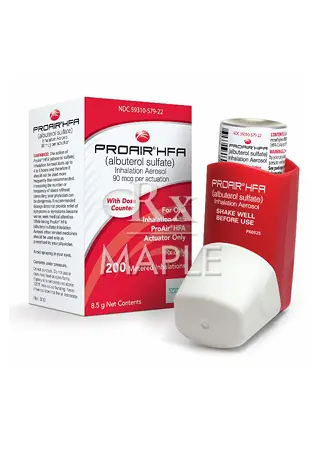
Proventil is a brand name for an inhaled medication whose active ingredient is albuterol (also known as salbutamol in some regions). It belongs to a class of drugs called short-acting beta-agonists (SABAs). Its primary purpose is to quickly relieve bronchospasm — the narrowing of airways that causes wheeze, coughing, and shortness of breath — in conditions such as asthma and chronic obstructive pulmonary disease (COPD).
As a rescue inhaler, Proventil is designed to act rapidly to open narrowed airways during an acute episode or in anticipation of triggers that might provoke one, such as exercise. In practice, it is often used to stop ongoing symptoms rather than as a daily preventive medication. In Canada, it is commonly delivered by a metered‑dose inhaler (MDI) or sometimes through a nebulizer, with guidance from a clinician.
Because local rules vary, a prescription may be required to obtain Proventil in some jurisdictions. Patients should follow the label instructions and the plan prescribed by their healthcare professional. Always carry your rescue inhaler for timely access during symptoms.
Proventil works where it is needed: in the lungs, where it relaxes smooth muscle to relieve obstruction. Its rapid action makes it a central tool in acute management, while it complements longer‑term inhaled therapies that control inflammation and prevent symptoms over time.
Proventil is approved for the relief of bronchospasm in people with reversible obstructive airway diseases, most notably asthma and COPD. It helps restore airflow during an attack or flare, reducing wheeze, coughing, and breathlessness.
For many patients with exercise-induced bronchoconstriction, Proventil can be used prior to physical activity to prevent symptoms. This preventative use should be guided by a clinician and aligned with individual exercise plans and asthma control goals.
As a rescue therapy, Proventil provides rapid symptom relief and can decrease the need for urgent care when used as directed during an episode. It is usually prescribed as part of a broader asthma or COPD management plan that includes controller medications to reduce the frequency and severity of symptoms.
Important safety note: while Proventil can be effective for acute relief, it does not address the underlying inflammation that drives many chronic lung conditions. Regular follow‑up with a healthcare professional is essential to adjust maintenance therapies and to review the overall treatment strategy.
Off-label use refers to prescribing for conditions or scenarios not formally approved by regulators, based on clinical judgment. Some clinicians may consider albuterol in certain reversible airway obstruction episodes beyond asthma and COPD, particularly when rapid relief is needed and other options are unsuitable. This usage always relies on professional assessment and patient circumstances.
In some settings, Prospective clinicians have used rescue inhalers as an adjunct during acute bronchospasm associated with viral illnesses or irritant exposure, when other options are limited. Such decisions should be guided by a clinician who can monitor heart rate, blood pressure, and symptom progression.
Emerging practical considerations include individual variability in response and avoiding reliance on a rescue inhaler as a sole long‑term solution. If patients frequently require relief inhalers, it signals the need for a reassessment of control strategies, trigger management, and inhaled controller therapies.
Readers should remember that off-label or emerging uses are not guarantees of safety or efficacy for every patient. Check the official leaflet, and discuss any non‑standard use with a pharmacist or clinician before starting.
In simple terms, Proventil acts like a key that fits into certain receptors in the airways. When inhaled, the drug binds to beta-2 receptors on the smooth muscle lining the bronchi, signaling the muscles to loosen. The result is widened airways and easier breathing within minutes.
On a pharmacological level, albuterol is a selective beta-2 adrenergic agonist. It activates adenylate cyclase in the cell, which increases cyclic AMP (cAMP). Higher cAMP reduces intracellular calcium and promotes relaxation of the airway smooth muscle. This bronchodilatory effect is rapid and transient, lasting a few hours for most individuals.
Additionally, beta-2 stimulation can transiently influence mucus production and airway reactivity, though the primary clinical effect remains bronchodilation. Because albuterol is inhaled, systemic exposure is typically limited, which helps minimize widespread effects compared with oral forms.
For readers who enjoy a more precise picture: the drug’s pharmacodynamics involve complex signaling cascades, but the practical takeaway is straightforward — act quickly where needed to open the airways, with a response that most people notice within minutes.
Follow the prescription label or your clinician’s instructions for how to use Proventil. If you are unsure, ask your pharmacist for a demonstration. The following guidelines summarize common approaches, but they do not replace individualized advice.
Most people use a metered‑dose inhaler by attaching it to a spacer when recommended, exhaling fully, placing the mouth around the mouthpiece, and inhaling deeply while pressing the canister. A brief breath‑hold at the end of inhalation helps the medicine reach the airways.
Typical rescue use is as needed during symptoms or before anticipated exposure to a trigger, such as exercise. It is generally not intended as a daily preventive therapy, unless your clinician has directed a specific plan. If you find yourself using the inhaler very often, contact your healthcare provider to review your control strategy.
Storage should follow the product label: keep the inhaler at room temperature, away from extreme heat or cold, and protect it from moisture. Replace the canister as directed, and prime a new inhaler if required by the instructions.
Contraindications include known hypersensitivity to albuterol or any inhaled device components. People with a history of certain heart rhythm problems or very high blood pressure may require careful monitoring. Always discuss your medical history with your clinician before starting Proventil.
Common side effects are usually mild and may include tremor, nervousness, a fast heartbeat, or throat irritation. These effects typically lessen with continued use or after adjusting the technique of inhalation. If you notice severe or persistent side effects, contact a healthcare professional promptly.
Proventil can interact with other medicines that affect heart rate or blood pressure, such as non‑selective beta‑blockers. Your clinician will review your medication list to minimize potential issues. If you have a serious allergy or experience signs of a rare adverse reaction, seek urgent medical help.
Pregnancy considerations should be discussed with a clinician. In some cases, the benefits of symptom relief may outweigh potential risks, but alternatives or adjusted dosing might be recommended. Always consult your obstetrician or a pharmacist if you are pregnant or planning pregnancy.
For many patients, Proventil is used during pregnancy only if clearly needed to control symptoms and prevent complications. The decision is individualized, balancing maternal health with fetal safety.Discuss the options with your obstetrician and a pharmacist who can review your full medication list.
Breastfeeding considerations are generally guided by the overall benefit to the infant and the mother. Albuterol is excreted in small amounts into breast milk, but most healthcare teams judge that the benefits of symptom relief for the mother outweigh potential risks for the infant when used as directed.
In children, dosing and technique are particularly important. A clinician or pharmacist can provide age‑appropriate instructions for use with spacers and for monitoring for side effects.
Special populations such as the elderly or those with multiple health conditions may require closer monitoring or adjustments in combination with other therapies. Periodic reassessment helps ensure the safety and effectiveness of treatment.
Always check the expiry date and integrity of the inhaler. Avoid exposure to moisture, and store away from heat or cold extremes. Use a spacer if recommended, as it can help more medicine reach the lungs.
Keep your rescue inhaler with you and accessible at all times, especially during activities that could provoke symptoms. If you use a spacer, follow the instructions for assembly and cleaning to prevent airways irritation from residue.
Be mindful of interactions with other medicines. Beta-blockers, some stimulants, and certain antidepressants can influence heart rate and blood pressure, which may affect how Proventil feels. Always review all prescriptions and supplements with your clinician.
Do not share inhalers with others, and do not use someone else’s inhaler. A spacer device can improve the effectiveness of delivery if recommended by a clinician.
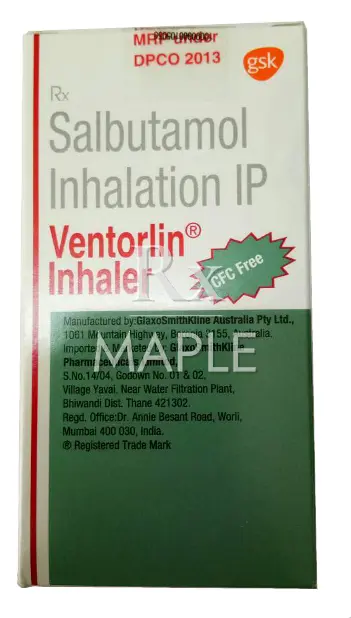
Albuterol (Proventil/Ventolin) is the prototypical short‑acting beta‑agonist for quick relief of bronchospasm. Levalbuterol (Xopenex) is a closely related SABA and is sometimes chosen when people experience more tremor or other systemic effects with albuterol.
Pirbuterol (Maxair) is another SABA that has been used in the past, though availability and regulatory status vary by region. These drugs share the same basic mechanism and purpose but can differ in side‑effect profiles, onset, and duration for individual patients.
In practice, clinicians select a SABA based on effectiveness, tolerability, inhaler technique, and patient preference. If your response to one SABA is suboptimal, your clinician may consider an alternative within the same class after a careful review of your health history.
Note: This table provides a simple snapshot. Check the official leaflet and consult your pharmacist or clinician for personalized guidance.
| Drug | Onset | Duration | Common Use | Notes |
| Albuterol (Proventil/Ventolin) | Rapid | Short | Relief of bronchospasm | Inhaled SABA; widely used; local guidelines vary |
| Levalbuterol (Xopenex) | Rapid | Short | Relief of bronchospasm | Similar mechanism; may have fewer systemic effects for some |
| Pirbuterol (Maxair) | Rapid | Short | Relief of bronchospasm | Older SABA; availability varies |
| Other SABAs | Rapid | Short | Relief of bronchospasm | Formulations and devices differ |
Most people notice some improvement within minutes of inhaling Proventil. If symptoms persist or worsen after a reasonable initial response, seek medical advice promptly. Urgent help should be sought if there is severe difficulty breathing, chest tightness, or confusion.
Proventil is typically used as needed for symptom relief rather than on a strict daily schedule. If you have a plan to use it before exercise or during episodes, resume as directed and do not double up unless your clinician has advised it. If your daily management relies on it, contact your clinician to review your control plan.
Food and drink do not generally affect the effectiveness of inhaled Proventil, but some people find it easier to use the inhaler on an empty mouth or after rinsing to reduce throat irritation. If you use a spacer, avoid swallowing any saliva that collects in the spacer.
Proventil is intended for short-term relief during acute symptoms or before triggering activities. It should be part of a broader, physician‑guided plan that includes controller medications to reduce chronic symptoms. If you find you need frequent rescue doses, you should discuss a long-term management strategy with your clinician.
Albuterol can be used during pregnancy if the benefits outweigh potential risks, but decisions should be made with a clinician. Breastfeeding is generally considered compatible, with attention to the infant’s health and any signs of adverse effects. Always consult your obstetrician, pediatrician, or pharmacist if you have concerns.
Some medicines can interact with Proventil, especially those affecting heart rate or blood pressure. Provide a full list of all prescribed, over‑the‑counter, and herbal products to your clinician or pharmacist. They can help assess potential interactions and adjust your plan if needed.
If you develop severe trouble breathing, swelling of the face or throat, or a widespread rash, seek urgent medical help. Anaphylaxis is a medical emergency and requires immediate treatment with appropriate medications administered by a healthcare professional.
Your heart health history matters when deciding on rescue inhalers. Proventil can transiently raise heart rate and blood pressure in some individuals. A clinician will review your condition, monitor symptoms, and determine whether this inhaler is appropriate for you or if an alternative is better.
14–21 days. Free from C$285.29 .
5–9 days. C$42.79
−10% when paying with cryptocurrency.
−10% on all repeat orders.
All orders are packed in neutral, unbranded boxes with no product name on the outside.