📞  — free, 24/7
— free, 24/7 — free, 24/7| Package | Price per Dose | Price | |
|---|---|---|---|
| 360 pills | C$0.38 | C$135.78 | |
| 270 pills | C$0.40 | C$107.82 | |
| 180 pills | C$0.44 | C$79.86 | |
| 120 pills | C$0.48 | C$57.89 | |
| 90 pills | C$0.54 | C$47.91 |
This page provides general information about Panadol and is not a substitute for medical advice. If you have questions about your health or medication, consult a healthcare professional.
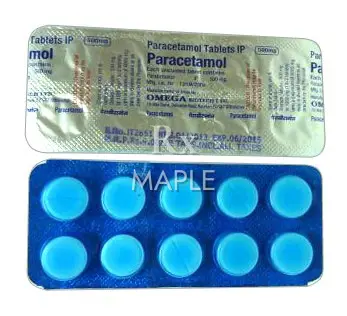
Panadol is a brand name for paracetamol, a medicine that helps relieve mild to moderate pain and to bring down fever. It is commonly used when other common pains or fevers affect daily activities or comfort. In Canada, Panadol products may be sold over the counter, but some forms or combinations may require a prescription depending on local rules. Always read the label and follow the instructions on the package insert.
Panadol products come in different forms, including standard tablets or caplets, dissolvable tablets that can be mixed with water, and liquid preparations for children. Some variants include caffeine (for example, Panadol Extra) to help with certain symptoms, and there are formulations made specifically for children with age- or weight-appropriate dosing. Each product has its own dosing instructions, intended age range, and maximum daily amount. Do not use more than one Panadol product containing acetaminophen at the same time unless advised by a healthcare professional.
Important safety notes: do not take Panadol if you are allergic to acetaminophen or any ingredient in the product. Panadol is not an anti-inflammatory medicine, so it does not reduce inflammation in the body in the same way as some other pain relievers. If you have liver disease, drink alcohol heavily, or regularly use other medicines that contain acetaminophen, you should talk to a pharmacist or doctor before using Panadol. If you are pregnant or breastfeeding, discuss with your clinician before use. This information is not a replacement for medical advice, and you should seek professional guidance for your individual circumstances.
Panadol is used to relieve mild to moderate pain such as headaches, toothaches, muscle aches, backache, menstrual cramps, and sore throats. It can also be used to reduce fever associated with infections or other illnesses. It is often chosen when people cannot take non-steroidal anti-inflammatory drugs (NSAIDs) like ibuprofen or naproxen, or when those medicines are not suitable for them.
Panadol helps many people feel more comfortable while the underlying cause of pain or fever is addressed by rest, fluids, or other treatments. It is intended for short-term relief and not for continuous, long-term management of chronic pain unless advised by a physician. If your symptoms persist beyond a few days, worsen, or you have other medical conditions, seek medical advice.
People should use Panadol according to the product’s directions and avoid taking more than the recommended amount. If you are unsure whether Panadol is appropriate for you, or if you are taking other medicines, talk to a pharmacist or doctor. This is especially important for people with liver disease, chronic alcohol use, or those taking multiple medicines that may contain acetaminophen.
Paracetamol (acetaminophen) works mainly in the brain to reduce fever and to ease pain. It helps adjust the body’s perception of pain and lowers a fever by affecting the brain’s heat-regulating center. Unlike some other pain relievers, paracetamol has little impact on inflammation in the rest of the body, which is why it is not considered an anti-inflammatory medicine.
The exact way paracetamol relieves pain is not completely understood, but it is known to block certain chemical signals involved in pain processing in the central nervous system. It is generally well tolerated when used as directed, but taking more than the recommended amount can lead to serious liver injury. Always use the lowest effective dose and avoid combining multiple products that contain acetaminophen.
Because Panadol contains acetaminophen, customers should be mindful of other medications they may be taking that also contain acetaminophen. If you are unsure whether a product contains acetaminophen, ask a pharmacist or check the ingredient list. This information helps reduce the risk of unintentional overdose and potential harm to the liver.
Always read and follow the directions on the product label or the package insert. Use the lowest amount that relieves your symptoms and do not exceed the maximum daily amount stated on the label. Do not use Panadol together with other products that contain acetaminophen unless advised by a pharmacist or doctor.
Take Panadol with a full glass of water. Tablets and caplets should be swallowed; dissolvable tablets should be dissolved in water before drinking. For products formulated for children, use the dosing device provided and follow the age or weight-based dosing instructions on the label. Do not give adult formulations to a child unless the label explicitly allows it and the dose is appropriate for their age or weight.
If you miss a dose, take it as soon as you remember, unless it is almost time for your next dose. Do not double-dose to make up for a missed one. If you are unsure how to proceed, contact a pharmacist for guidance. If you have ongoing fever or pain beyond a few days of treatment, seek medical advice.
Store Panadol at room temperature, away from moisture and heat. Keep all medicines out of reach of children. Do not use Panadol after the expiry date marked on the packaging. If you notice any unusual symptoms after taking Panadol, stop use and consult a healthcare professional.
People with a known allergy to acetaminophen or to any ingredient in a Panadol product should not use it. Individuals with severe liver disease, or those who drink large amounts of alcohol regularly, should exercise extra caution and consult a healthcare professional before use.
Do not give Panadol to a child using a formulation that is not intended for their age or weight. When treating children, use a product specifically made for children and follow the dosing instructions for the child’s age or weight. If you are pregnant or breastfeeding, discuss use with a clinician before starting Panadol.
If you are taking other medicines that contain acetaminophen, or if you are not sure whether a product you plan to take contains acetaminophen, ask a pharmacist or doctor before use. People with certain medical conditions or those who are taking multiple prescription medicines should seek professional advice to avoid potential interactions.
Overuse or overdose of acetaminophen can lead to serious liver damage. Do not exceed the amount recommended on the label, and be mindful that many combination products also contain acetaminophen. If you suspect an overdose, seek urgent medical help immediately, even if you think you feel well at the moment.
Limit or avoid alcohol while taking Panadol, as alcohol can increase the risk of liver injury when combined with acetaminophen. If you have a history of liver disease, talk with a healthcare professional before using Panadol. If you are taking other medicines, check whether they also contain acetaminophen to prevent an accidental overdose.
In some cases, Panadol can cause allergic reactions or skin rashes. If you notice swelling of the face or lips, severe itching, trouble breathing, or a widespread rash, discontinue use and seek medical attention promptly. If you have ongoing or worsening symptoms, contact a healthcare professional for advice.
Always store medicines safely and keep them out of reach of children. If you have questions about whether Panadol is right for you, a pharmacist can review your medications and health conditions to help minimize risks.
Common side effects may include mild nausea, upset stomach, or fullness. These are usually not serious and may pass as your body adjusts to the medicine. If you notice any persistent discomfort or other unusual symptoms, talk to a pharmacist or doctor.
Less commonly, people may experience allergic reactions such as hives, itching, swelling, or difficulty breathing. If you develop signs of an allergic reaction, seek medical advice right away. Seek urgent medical help if you experience symptoms suggesting liver problems, such as yellowing of the skin or eyes, dark urine, severe stomach pain, or unusual tiredness.
In rare cases, long-term or repeated use of acetaminophen can cause liver injury even when taken as directed. It is important to use only the recommended amount and to avoid combining multiple acetaminophen-containing products. If you have concerns about side effects, discuss them with a healthcare professional.
Acetaminophen can interact with other medicines. Do not take Panadol together with other products that contain acetaminophen unless a pharmacist or doctor has advised it. Some medicines may affect how Panadol is processed in the body, or may raise the risk of liver injury if used with acetaminophen.
Examples of situations to discuss with a pharmacist include taking anticoagulants (such as warfarin) for a long period, having liver or kidney disease, or taking medicines that are known to interact with acetaminophen. If you use caffeine-containing Panadol (for example Panadol Extra) or other stimulant-containing products, consider potential interactions with caffeine-containing foods or medicines.
If you are unsure whether your current medicines interact with Panadol, ask a pharmacist or doctor for advice before using it. Do not start a new prescription or OTC medicine without confirming there is no harmful interaction with acetaminophen in Panadol.
Acetaminophen is commonly used during pregnancy when needed and is generally considered safer than many alternatives, but it should be used at the lowest effective dose and for the shortest possible time. If you are pregnant or planning pregnancy, discuss use with your healthcare provider before starting Panadol. Breastfeeding mothers should also consult their clinician to confirm that the specific Panadol product is appropriate for them and their baby.
Always inform your obstetrician, midwife, or healthcare professional about all medicines you are taking during pregnancy or while breastfeeding. They can help determine whether Panadol is appropriate for your situation and how to use it safely.
In all cases, do not exceed the label’s recommended dose, and avoid combining multiple products that contain acetaminophen. If you have any concerns about safety in pregnancy or breastfeeding, seek medical advice before using Panadol.
Below are common questions and practical guidance about Panadol. If you have a health condition or take other medicines, talk to a pharmacist or doctor for personalized advice.
How quickly does Panadol start to work?
Most people notice relief within about 30 minutes to an hour after taking a dose, but timing can vary by product form, dose, and individual factors. If your symptoms persist beyond a few days, seek medical advice rather than continuing to treat the same way.
Avoid taking more than one product that contains acetaminophen at the same time unless a healthcare professional has advised it. If you are using another medicine for pain, check the ingredients to ensure there is no overlap of acetaminophen. When in doubt, ask a pharmacist for guidance.
Take the missed dose as soon as you remember, unless it is close to the time for your next dose. Do not double-dose to catch up. If you are unsure what to do, contact a pharmacist for advice.
Moderation is advised. Alcohol can increase the risk of liver injury when taken with acetaminophen. If you regularly drink alcohol in the evenings, discuss Panadol use with a healthcare professional and consider alternative options if advised.
Child-specific formulations are available. Use the product that matches a child’s age or weight and follow the dosing instructions on the label. If you are unsure about the correct product or dose for a child, ask a pharmacist for help.
Acetaminophen is often used during pregnancy when needed, but you should use it under the guidance of a healthcare professional. Do not exceed the recommended dose, and discuss any concerns with your clinician before use.
Serious liver injury can occur if acetaminophen is taken in excess or used in combination with other acetaminophen-containing products. Always follow the label directions and avoid taking more than the recommended amount. If you notice symptoms that may indicate liver problems, contact a healthcare professional promptly.
If you suspect an overdose, seek urgent medical help immediately, even if you feel well at first. Do not wait to see if symptoms develop. Bring the product packaging with you to help healthcare professionals assess the situation.
Store Panadol at room temperature, away from moisture and heat. Keep it out of reach of children. Do not use Panadol after the expiry date printed on the packaging.
Panadol is sometimes used around vaccination to relieve discomfort or fever after a shot, but you should follow the guidance of your healthcare provider or the vaccine issuer. If you are planning vaccination, discuss any medication use with the healthcare professional giving the vaccine to ensure it is appropriate for you at that time.
Information about Panadol is drawn from typical product labeling and the general guidance provided by the manufacturer for acetaminophen-containing products. It is also informed by standard pharmacy resources and guidelines that emphasize following the product label and consulting a healthcare professional for questions about dosing, safety, and interactions.
For further reading and official information, consult the product leaflet that accompanies your Panadol purchase, speak with a pharmacist, or contact a healthcare professional. Local regulations and available formulations may vary by province or territory in Canada, so a professional can confirm what applies to you.
Always verify the exact product you are using, as formulations, ingredients, dosing instructions, and age or weight limits can differ between Panadol products and between countries. If you have questions about the suitability of Panadol for your situation, a pharmacist can review your medications and health history to help you use this product safely.
14–21 days. Free from C$285.29 .
5–9 days. C$42.79
−10% when paying with cryptocurrency.
−10% on all repeat orders.
All orders are packed in neutral, unbranded boxes with no product name on the outside.