📞  — free, 24/7
— free, 24/7 — free, 24/7| Package | Price per Dose | Price | |
|---|---|---|---|
| 360 pills | C$1.40 | C$629.04 C$503.23 Free shipping | |
| 180 pills | C$1.50 | C$336.97 C$269.58 | |
| 120 pills | C$1.62 | C$242.11 C$193.69 | |
| 90 pills | C$1.76 | C$197.18 C$157.75 | |
| 60 pills | C$1.96 | C$147.26 C$117.80 | |
| 30 pills | C$2.40 | C$89.84 C$71.87 | |
| 360 pills | C$2.30 | C$1,033.44 C$826.75 Free shipping | |
| 180 pills | C$2.48 | C$556.65 C$445.32 Free shipping | |
| 120 pills | C$2.68 | C$401.88 C$321.50 Free shipping | |
| 90 pills | C$2.88 | C$324.49 C$259.59 | |
| 60 pills | C$3.16 | C$237.12 C$189.70 | |
| 30 pills | C$3.93 | C$147.26 C$117.80 | |
| 180 pills | C$3.51 | C$791.30 C$633.04 Free shipping | |
| 120 pills | C$3.77 | C$566.63 C$453.31 Free shipping | |
| 90 pills | C$4.11 | C$461.79 C$369.43 Free shipping | |
| 60 pills | C$4.59 | C$344.46 C$275.57 | |
| 30 pills | C$5.59 | C$209.66 C$167.73 | |
| 20 pills | C$5.79 | C$144.76 C$115.81 | |
| 10 pills | C$6.19 | C$77.36 C$61.89 |
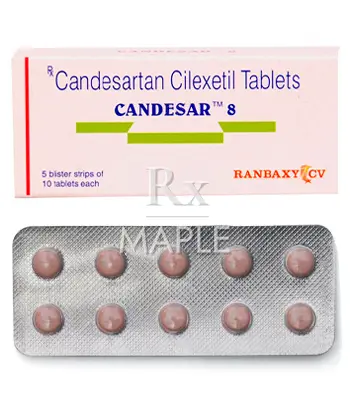
Atacand is candesartan, a medication in the angiotensin receptor blocker class used to lower blood pressure and protect heart health.
It works by blocking a natural chemical in your body that tightens blood vessels, helping them stay relaxed.
In Canada, this medicine is prescribed by a clinician and used as part of treatment for high blood pressure and certain heart conditions.
You may take it alone or with other medicines, and your pharmacist can help explain how it fits with your treatment plan.
High blood pressure, or hypertension, is the most common reason people take Atacand, and lowering it can reduce the risk of stroke or heart problems.
It can also support heart function in certain conditions where the heart struggles to pump as efficiently as it should, and it may help protect the kidneys in some people with diabetes or other risk factors.
Your healthcare provider will decide when this medicine is appropriate for you, based on your health history and other medicines you take.
If you have questions about whether this medicine is right for you, ask your clinician or pharmacist.
Getting started safely begins with a clear plan made with your clinician. This plan will consider your blood pressure, kidney function, and any other medicines you take.
Before you start, make sure you understand what to expect and how your progress will be checked. A written plan or checklist can help you stay on track.
If you have kidney problems, pregnancy considerations, or other health concerns, tell your doctor so they tailor the plan to you. Your plan may include how often you’ll monitor blood pressure at home and when to have follow-up tests.
Your clinician or pharmacist can explain what to do if you miss a dose or if you have other medicines you are taking, such as diuretics or non-prescription drugs, so there are no surprises.
Starting Atacand often involves a gradual approach rather than a big change all at once. Your body needs time to adjust, and your doctor will monitor you for the first weeks to ensure the plan is still right for you.
Your clinician will confirm your blood pressure, kidney function, and overall heart health. They will review all medicines you are taking, including vitamins and supplements, to check for interactions.
Ask any questions you have about how Atacand works, what you should expect, and how long it might take to see benefit. It’s okay to write down concerns so you don’t forget them at your appointment.
Take the first dose exactly as prescribed by your clinician. You may be asked to measure your blood pressure at home and report results at a follow-up visit or by phone. This helps the plan be adjusted if needed early on.
Be prepared for the possibility of lightheadedness as your body adjusts. Sit or lie down if you feel dizzy, and avoid driving if you are feeling off balance after starting treatment.
Expect follow-up checks to confirm your blood pressure is gradually improving and that kidney function remains stable. Your clinician may adjust the dose based on these findings and your tolerance.
Keep a simple log of any symptoms, changes in how you feel, or concerns about your medicines. Report new or worsening symptoms promptly so adjustments can be made quickly if needed.
Timing matters, so take Atacand at roughly the same time every day to keep a steady level in your blood. Consistency helps your body respond more predictably to treatment.
You may take Atacand with or without food, but your clinician may give you specific guidance based on your situation. If you notice stomach upset, discuss timing with your pharmacist or doctor.
Do not change your dose or stop taking Atacand on your own. If you have questions about lowering or increasing the dose, talk to your clinician first. Stopping suddenly can cause your blood pressure to rise again or symptoms to worsen.
If you have a planned break from work or travel, inform your clinician so they can advise you on how to handle dosing during that period. Always carry a copy of your current medication list when you travel.
Take Atacand at the same time each day to maintain even levels in your blood. If you notice a small change in how you feel around the time you take it, that is common as your body adjusts.
Food generally does not have a strong effect on absorption, but follow the schedule your clinician provides. If you have any doubt, ask your pharmacist to confirm the best routine for you.
If you miss a dose, take it as soon as you remember unless it is almost time for your next dose. Do not double up to make up for a missed dose.
If you realize you missed a dose and it is almost time for your next dose, skip the missed dose and resume your regular schedule. Do not take two doses at once unless a healthcare professional tells you to.
If you have vomiting, diarrhea, or a poor appetite, keep taking your medicine if you can, but do not force yourself to drink or eat. If you cannot take Atacand as prescribed for several days, contact your clinician to discuss the best plan.
If you start a new medicine while taking Atacand, tell your clinician or pharmacist. Some drugs can affect blood pressure or interact with candesartan, and your plan may need adjustments.
Many people notice a gradual drop in blood pressure over the first days to weeks. Some people may feel a bit lightheaded, especially when standing up quickly.
Over the first few weeks, your clinician will check blood pressure and may adjust the dose. Symptoms like persistent dizziness, fainting, or unusually fast or slow heart rate should be reported promptly.
You may notice improvements in how you feel during daily activities as blood pressure stabilizes. Even if you don’t feel different right away, the medicine can still be helping your heart and blood vessels work better.
Continue to follow a heart-healthy lifestyle alongside Atacand, including a balanced diet, regular activity as advised by your clinician, and avoiding excessive salt. These steps support the medicine’s effects and your overall wellbeing.
Call your clinician or seek urgent medical help if you notice signs of very low blood pressure, such as fainting, extreme dizziness, or a very fast or faint heartbeat. These symptoms may require a quick check of your treatment plan.
Seek medical advice if you experience new swelling in the hands, feet, or around the eyes, or if you notice sudden weight gain from fluid retention. These could indicate a need to adjust therapy.
Stop Atacand and contact a healthcare professional if you have severe chest pain, trouble breathing, or signs of an allergic reaction like swelling of the face or throat, severe rash, or hives.
Always let your dentist, pharmacist, or other healthcare providers know you are taking Atacand, especially before starting new procedures or medications. If you are planning surgery, discuss timing and any checks needed with your surgeon.
Store Atacand in its original container, tightly closed, at room temperature away from heat and moisture. Do not leave medicines in the bathroom or car where heat can affect them.
Keep Atacand out of reach of children and pets. Do not share your medication with others, even if their symptoms seem similar. Medicines work differently from person to person.
Check the expiry date on the bottle and do not use tablets that are outdated. If you have any doubt about the status or integrity of the pills, consult your pharmacist before taking them.
If you drop the bottle or notice damaged packaging, contact your pharmacist for guidance on safe disposal and a possible replacement. Do not flush medicines unless the disposal instructions specifically say it’s allowed.
Most people tolerate Atacand well, but you should be aware of possible effects that may need action. Common issues include dizziness, headaches, or changes in blood pressure that you can monitor at home.
Some people may experience kidney-related changes or high potassium. Your provider will monitor blood tests to catch these early, but tell them if you notice persistent tiredness, unusual weakness, or swelling.
Serious reactions are rare but require urgent care. If you notice chest pain, trouble breathing, severe stomach pain, or signs of an allergic reaction like swelling of the lips or tongue, seek medical help right away.
If you are pregnant or planning a pregnancy, discuss options with your clinician, as this medicine can affect the developing baby. Breastfeeding decisions should also be made with a clinician’s guidance.
Tell your clinician if you have had an allergic reaction to candesartan or any other ARB medicines in the past. A known allergy can influence whether this drug is appropriate for you.
If you have kidney problems, severe liver disease, or dehydration, your dose and monitoring plan may need adjustment. Do not start or stop therapy without professional guidance in these situations.
This medicine may interact with other prescription drugs, non-prescription medicines, or supplements. Always share a complete list of medicines with your clinician and pharmacist to prevent potential interactions.
If you have certain medical conditions—such as a history of swelling due to a previous medication—your clinician may decide on an alternative treatment. Always follow their instructions and ask questions if anything feels unclear.
The following questions cover common real‑world considerations. They are designed to help you plan and manage Atacand use with confidence. If you have a situation not covered here, consult your clinician or pharmacist for personalized guidance.
Answers here are careful about dose specifics; always follow the exact instructions given by your healthcare professional and the official patient leaflet that comes with your medicine.
Some questions relate to travel, timing, and everyday activities. For any urgent concerns, seek medical help as advised by your local healthcare system.
Remember: this information does not replace medical advice. It is meant to supplement the care you receive from your clinician and pharmacist.
Yes, Atacand is often used with other antihypertensive medicines, but your clinician will coordinate the combination to avoid low blood pressure or other issues. Do not adjust all your medications on your own without professional input.
Atacand can affect fetal development, so it is generally not recommended during pregnancy. If you could be pregnant, discuss safe alternatives with your clinician before starting therapy. If pregnancy occurs, seek medical advice promptly.
Tell your dentist you are taking Atacand. Some dental procedures or medications can interact with your blood pressure and kidney function, so your dentist may adjust plans or monitoring accordingly.
Moderate or occasional alcohol is usually acceptable, but alcohol can lower blood pressure and potentially worsen dizziness. Discuss your drinking habits with your clinician so they can tailor advice to you.
Take the missed dose as soon as you remember unless it is almost time for your next dose. Do not double the dose to catch up. If you are unsure, contact your pharmacist for guidance based on your schedule.
Do not split or crush tablets unless your clinician explicitly tells you to. Some tablets are designed to be taken whole to ensure proper absorption and effect. If you have trouble swallowing, speak with your pharmacist about alternatives or formulations.
Some people notice changes within a few days, others may take several weeks. Consistent medication use and follow-up with your clinician help determine how quickly you’ll see benefit and whether any adjustments are needed.
In some cases, kidney function and electrolyte levels are monitored with regular tests. If you are undergoing such tests, inform the tester that you are on candesartan so the results are interpreted correctly.
Some non-prescription medicines can interact with blood pressure or kidney function. Always check with your pharmacist before taking new OTC meds, especially NSAIDs or other common pain relievers, to avoid interactions.
Tell your healthcare team you are taking Atacand. They may need to adjust your treatment plan or monitor blood pressure and fluid status around the time of the procedure.
No. Stopping abruptly can cause your blood pressure to rise again or symptoms to worsen. If you want to stop, talk to your clinician first so they can provide a safe plan or switch to an alternative therapy if needed.
When traveling, keep a copy of your medication list and the prescription, and try to maintain your usual dosing times as closely as possible. If you are unsure about timing, contact your clinician for personalized advice before you travel.
Most vitamins and minerals are safe to take with Atacand, but some supplements can affect blood pressure or interact with medications. Share a full list with your pharmacist to review potential interactions, including herbal products.
Blood pressure readings that trend downward toward a target range, along with improvements in symptoms such as fatigue or headaches, may indicate the medicine is helping. Your clinician will choose a monitoring plan suited to you and adjust as necessary.
If you experience signs of an allergic reaction, severe rash, swelling, or trouble breathing, seek urgent medical help. Do not take another dose until you have spoken with a clinician about the reaction and next steps.
In some situations, candesartan may be prescribed for specific heart or kidney conditions under medical guidance. Your clinician will explain how this applies to your health and long‑term plan.
14–21 days. Free from C$285.29 .
5–9 days. C$42.79
−10% when paying with cryptocurrency.
−10% on all repeat orders.
All orders are packed in neutral, unbranded boxes with no product name on the outside.